Saharan Dust Dims Spring Weather on Sunday, 8 March 2026

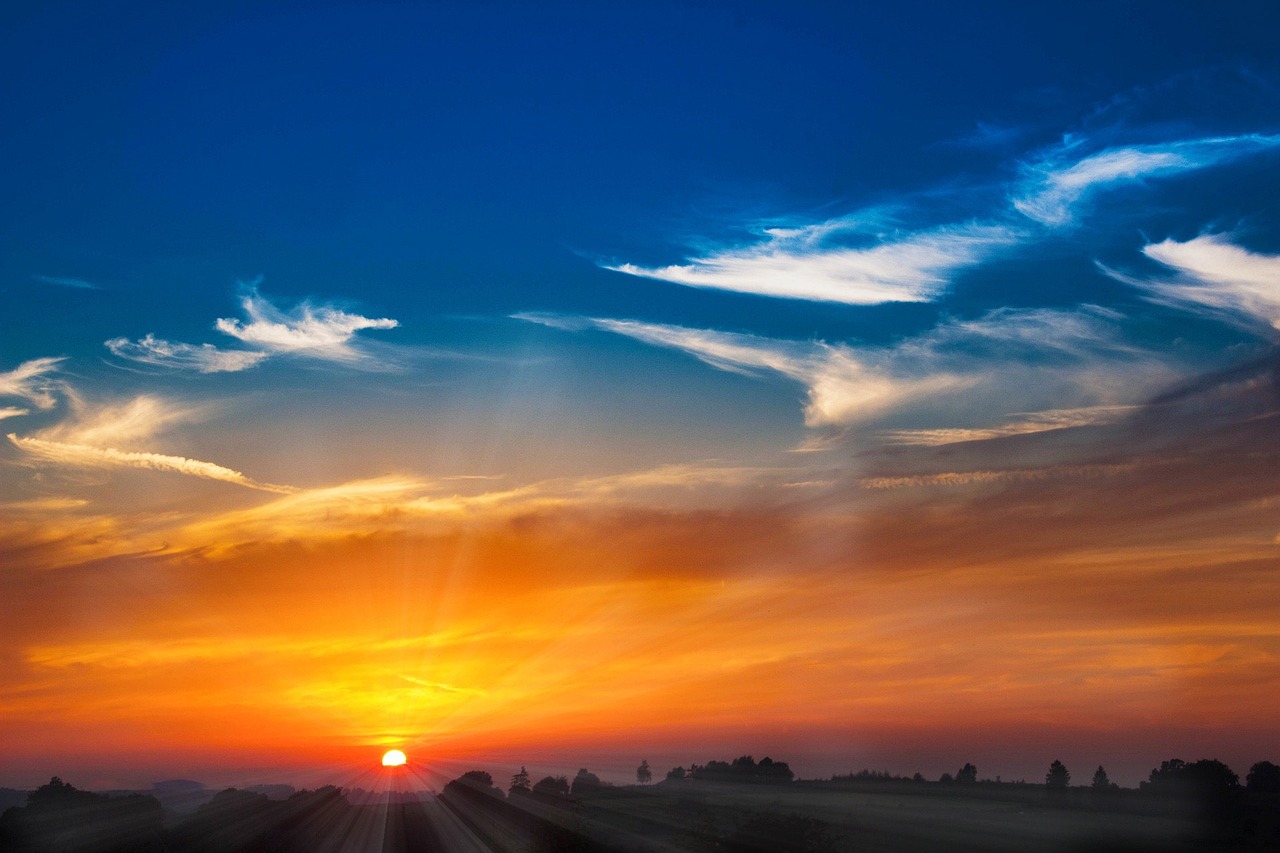
A veil of Saharan dust is set to dim the early‑spring sunshine across Central Europe on Sunday, 8 March 2026, creating a milky sky and muted light instead of the bright weather many hoped for. Warm temperatures will persist, but the atmosphere will appear hazy as a large plume of desert dust continues drifting over Germany and Austria. A Desert Visitor Arrives in Central Europe For the second weekend in a row, a vast cloud of Saharan dust has swept across Central Europe, tinting the sky in shades of milky…

Read More

How the Iran War Is Reshaping Austria’s Economic Landscape

A New Geopolitical Reality The outbreak of war in Iran has sent tremors across global markets, and Austria—despite its geographic distance—is far from insulated. As a small, open economy deeply integrated into global trade and heavily reliant on energy imports, Austria is particularly vulnerable to disruptions in the Middle East. The conflict has triggered a cascade of economic consequences, from rising inflation to supply chain instability, forcing policymakers and businesses to rethink long‑standing assumptions about security and resilience. Energy Prices: Austria’s Most Immediate Pressure Point Oil and Gas Costs Surge…

Read More

Climate Change: How It Is Quietly Reshaping All Our Lives

On a warm spring morning in Vienna, the kind that used to feel like a gentle invitation to linger outdoors, Anna Leitner steps onto her balcony and pauses. The air is already heavy, warmer than it should be. She remembers her childhood—March meant jackets, chilly fingers, and the first shy blossoms. Now, it feels like early June. “It’s subtle,” she says, “but every year, the seasons feel a little less like themselves.” Anna isn’t a scientist. She’s a schoolteacher, a mother, a person who simply pays attention. And like millions…

Read More

Aspirin Does Not Protect Against Colon Cancer

Taking aspirin every day to reduce the risk of colon cancer? A new analysis of data from more than 120,000 people strongly argues against it. A team led by Zhaolun Cai from Sichuan University in China examined this question because the use of painkillers such as aspirin or ibuprofen has recently been discussed — and in some cases even recommended — as a way to lower colon cancer risk. Since these medications have anti‑inflammatory effects, and inflammation plays a role in the development of tumors, some hoped that regular use…

Read More

Why crying is good for your body

Crying relieves stress, strengthens the nervous system, and supports emotional well‑being. Why tears are not a sign of weakness — read on. A sad movie, a touching message, or sheer stress — and suddenly your eyes fill with tears. Some people fight them back, others let them flow. The belief that frequent crying is a sign of weakness is still widespread, but research paints a different picture. People who cry often aren’t unstable — they’re often deeply in touch with their emotions. Crying is far more than a reaction to…

Read More

El Niño could return — “normal” is long gone, and the Earth is getting even hotter

According to the U.S. National Oceanic and Atmospheric Administration (NOAA), there is a 50–60 percent chance that El Niño will develop between July and September and continue beyond that period. At the same time, NOAA expects the transition from La Niña to a neutral ENSO state to occur between February and April, with a probability of around 60 percent. However, NOAA warns that model uncertainty remains “considerable.” Forecasts made this early in the year are often less accurate. What are El Niño and La Niña? El Niño and La Niña…

Read More

Why the Moon Captivates Us

A full moon has long been blamed for strange moods, restless nights, and impulsive decisions. The idea that lunar light can stir something deep within us is one of humanity’s oldest beliefs — and while modern science has dismissed many of the wilder claims, researchers are discovering that the story isn’t as simple as “myth versus fact.” Some lunar effects may be subtle, but they are not entirely imaginary. For ancient cultures, the Moon was more than a celestial body — it was a clock, a compass, and a symbol…

Read More

The Biology of Being Kind

Kindness acts like a quiet, steady medicine for both body and mind. It lowers stress, strengthens our social bonds, and even influences how long we live. A feature on why kindness is good for our health can unfold across several layers — biological, psychological, and social — showing how something so simple can have such profound effects. Acts of kindness trigger a cascade of physiological responses that support well‑being. Emotional Benefits That Build Resilience Kindness doesn’t just make us feel good in the moment — it shapes long-term emotional health.…

Read More

Why We Have to Wait Another Month for Daylight Saving Time

On the last Sunday in March, clocks are moved forward from 2:00 a.m. to 3:00 a.m., marking the start of Daylight Saving Time. This year, the change takes place during the night of March 29. The “lost” hour will be returned at the end of October when winter time begins again. Many people still have clocks that were never adjusted after the last time change in autumn — whether it’s the digital clock on an old oven, the one in grandma’s kitchen, or the display in the car. For anyone…

Read More