 0
0
 0
0
Many households already use LEDs and energy-saving modes, but there is still potential for savings. Depending on the living situation, a two-person household consumes between 1,900 and 3,500 kilowatt hours per year. With electricity costs averaging 39.6 cents per kilowatt hour, this results in monthly costs of around 63 to 116 euros; with low rates for new customers tending to be at the lower end. According to AG Energiebilanzen, information and communication technology accounts for around 17 percent of consumption, with lighting accounting for around eight percent.
Electricity costs: What you should avoid
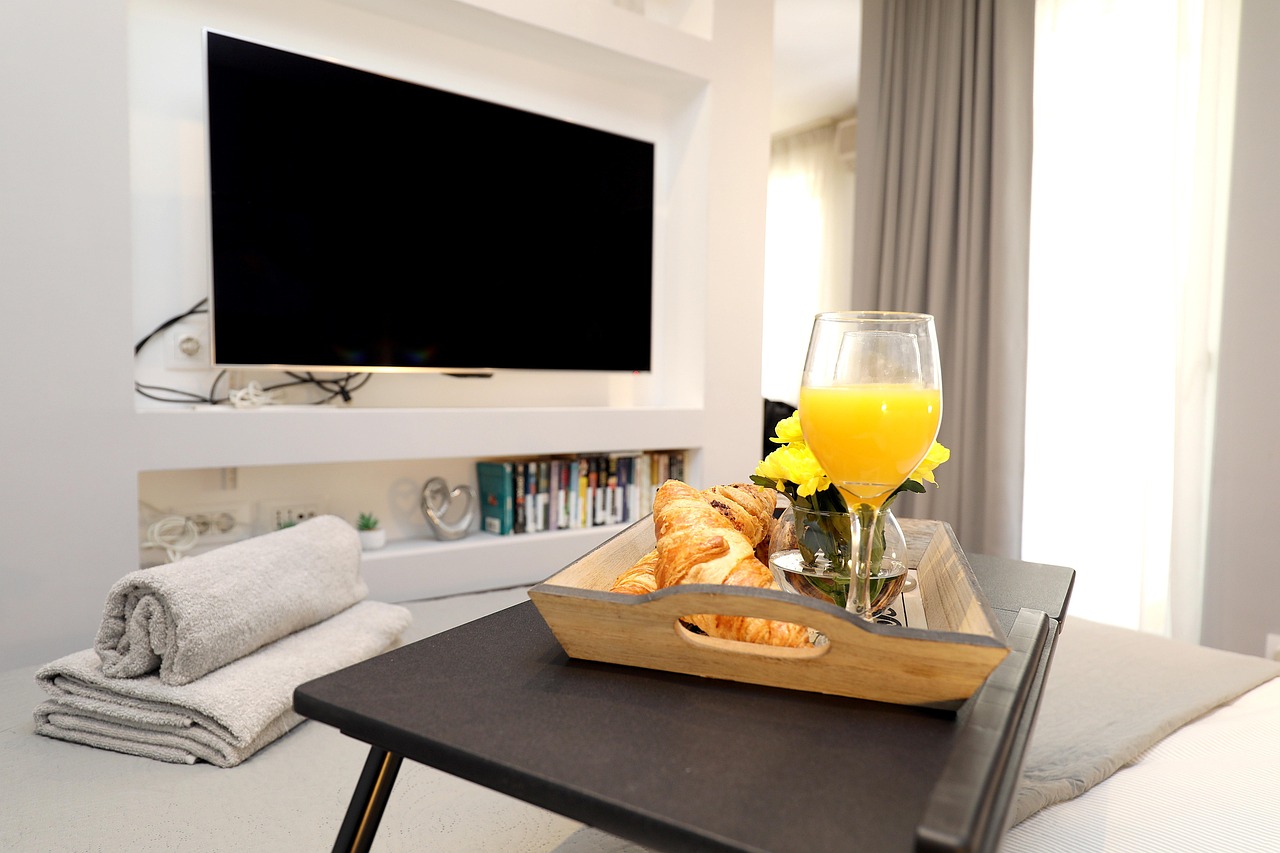
“Modern entertainment devices such as televisions, multimedia devices, and game consoles are generally very intensive power consumers,” explains the Brandenburg Consumer Advice Center (VZB). Instead of old plasma televisions, which used to cost over €250 in electricity per year, today’s 55-inch LED TVs consume an average of only about 109 kilowatt hours per year – that’s around €43 at current price levels. Nevertheless, it is all the more important to switch devices on consciously and not leave them running permanently in the background.
Joshua Jahn, energy expert at the VZB, emphasizes that idle devices in a three-person household can account for up to 15 percent of electricity costs, depending on the number, age, and type of devices. “Here, you can safely unplug devices when not in use.” The size and design of a computer are decisive for its electricity costs: A desktop PC with a tower consumes around 80 to 100 kilowatt hours (around 35 euros) per year, while a laptop usually only consumes 20 to 30 kilowatt hours (less than 12 euros).
Sebastian Klöß from the IT industry association Bitkom says that a computer’s hardware has a significant impact on its energy consumption. “A high-end gaming PC with a high-performance processor and a huge graphics card simply needs more power under full load than a standard PC or a notebook that has been designed to save energy,” Der Spiegel quoted the German Press Agency as saying.
“Most devices have been downgraded slightly”
Streaming and social media have little impact on electricity bills, but they do increase overall energy consumption. Streaming videos on smaller devices, such as laptops or smartphones, still saves electricity.
When buying new devices, users should pay attention to the energy efficiency classes A to G, which have been in force since 2021. Many devices currently available are in classes B to D, while class A is deliberately reserved for particularly energy-efficient models. “This A-Plus system has been abandoned, and instead most devices have been downgraded slightly to F or G to make room for new devices in the higher classes,” said Klöß.
Users can continue to borrow electricity meters free of charge from consumer centers (deposit approx. €10 to €30) to check the exact consumption of their appliances and identify potential savings.
Smart energy-saving solutions and modernization
In addition to energy-efficient appliances, smart sockets and smart home systems can help to reduce electricity consumption further. They enable automatic control and shutdown in standby mode. Depending on the number of appliances, this can save tens of euros per year. EU requirements for eco-design and standby limits also ensure that new appliances will be allowed to consume significantly less energy when switched off or in standby mode from 2025 onwards.
Replacing older appliances with modern models in efficiency classes A to C reduces energy consumption measurably and lowers electricity costs in the long term.



This post has already been read 6481 times!