 0
0
 0
0
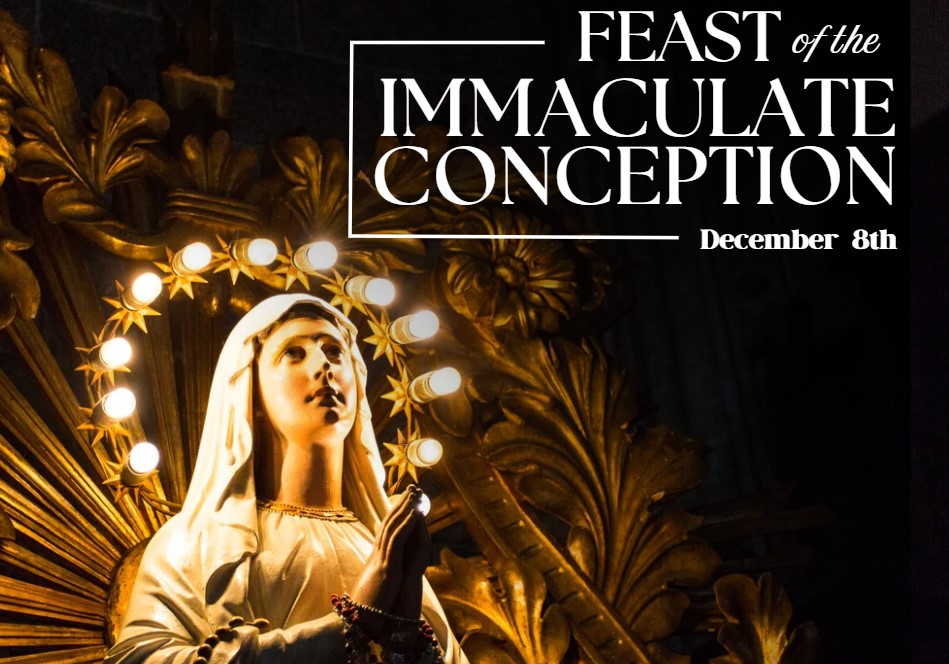
The Feast of the Immaculate Conception, celebrated on December 8, invites us to pause and contemplate the mystery of Mary’s purity and her unique role in salvation history. It is a day that reminds us of God’s grace working in humanity, preparing Mary to be the vessel through which Christ entered the world. Her immaculate beginning is not only a theological truth but also a symbol of hope, renewal, and the possibility of living a life rooted in faith and love.
In Austria, this feast has long held cultural and religious significance. It is recognized as a non-working holiday, underscoring its importance in the Catholic tradition and the country’s heritage. Yet, in recent years, a noticeable shift has occurred: while offices and schools may close, large supermarkets remain open. This practical change reflects the tension between sacred observance and modern consumer needs. It is a reminder that even on holy days, society continues to balance devotion with daily life.
For believers, this juxtaposition can serve as a gentle challenge. The open shops may tempt us to treat the day as ordinary, but the Church calls us to see it as extraordinary—a time to honor Mary, to attend Mass, and to reflect on the gift of grace. The coexistence of faith and commerce on December 8 highlights the importance of intentionality: choosing to sanctify the day not merely by external rest, but by inward devotion.
Ultimately, the Feast of the Immaculate Conception is less about what is open or closed in society and more about what is opened within our hearts. Mary’s “yes” to God inspires us to open ourselves to grace, to purity of intention, and to a deeper love for God and neighbor. Even in a world of busy schedules and supermarket aisles, the feast remains a radiant reminder that holiness can shine through the ordinary.
- Mag. Hector Pascua/picture: canva.com



This post has already been read 9423 times!