 0
0
 0
0
A new wave of cybersecurity reports is once again shining a harsh light on one of the internet’s oldest and most persistent problems: weak passwords. Despite years of warnings, millions of people around the world continue to rely on simple, easily guessable combinations — leaving their personal data dangerously exposed.
Recent analyses of leaked password databases reveal that the same predictable patterns dominate year after year. According to data compiled from global breaches, passwords like “123456,” “admin,” “12345678,” and the ever‑present “password” remain among the most frequently used worldwide. NordPass, which publishes an annual list of the 200 most common passwords, confirms that these weak choices persist across generations, from older adults to Gen Z users.
Cybersecurity researchers warn that these passwords can be cracked in less than a second, making them prime targets for automated hacking tools. With the average person juggling around 100 online accounts, many users fall back on convenience — but convenience comes at a cost.
Experts note that attackers increasingly rely on massive breach compilations to identify common password patterns. One investigation analyzed more than 15 billion leaked passwords, uncovering trends tied to sports teams, cities, foods, and even profanity. The conclusion is clear: humans are predictable, and hackers know it.
Why This Matters Now
As digital life expands — from banking and shopping to healthcare and communication — password security has become a frontline defense. Weak or reused passwords are a leading cause of account takeovers, identity theft, and financial fraud.
Cybersecurity specialists emphasize that even passwords meeting basic requirements (uppercase letters, numbers, symbols) can still be weak if they follow common patterns or appear on known lists.
What You Can Do
Security professionals recommend adopting stronger habits:
- Use long, unique passphrases rather than single words.
- Avoid personal information like birthdays or pet names.
- Enable two‑factor authentication wherever possible.
- Consider a reputable password manager to generate and store complex passwords.
The message is simple but urgent: If your password is easy to remember, it may also be easy to steal.
As cyber threats grow more sophisticated, the question becomes unavoidable: Are you really as secure as you think you are?
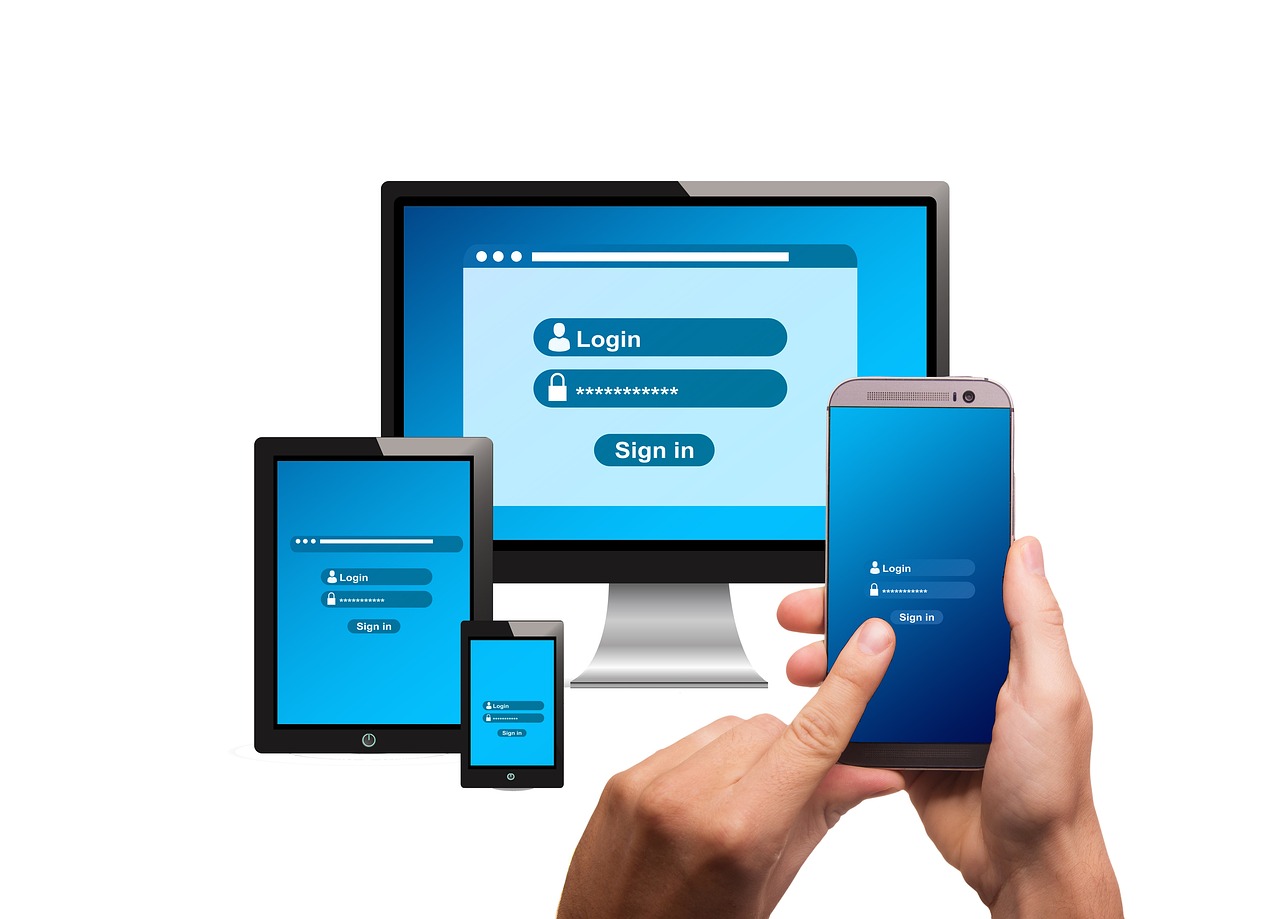
- Hector Pascua/picture: Image by Gerd Altmann from Pixabay



This post has already been read 14063 times!