 0
0
 0
0
When December settles over Austria—bringing early sunsets, crisp air, and the glow of Advent markets—Filipinos across the country begin preparing for a celebration that is both deeply traditional and beautifully adaptive. Christmas, the most cherished season in the Philippines, becomes a bridge between homeland and diaspora, weaving together memories of tropical nights with the snowy charm of Central Europe.
For the roughly 35,000 Filipinos living in Austria, Christmas is more than a holiday. It is a lifeline to identity, a reaffirmation of faith, and a joyful reunion of a community that feels like extended family.
Simbang Gabi in the Heart of Europe
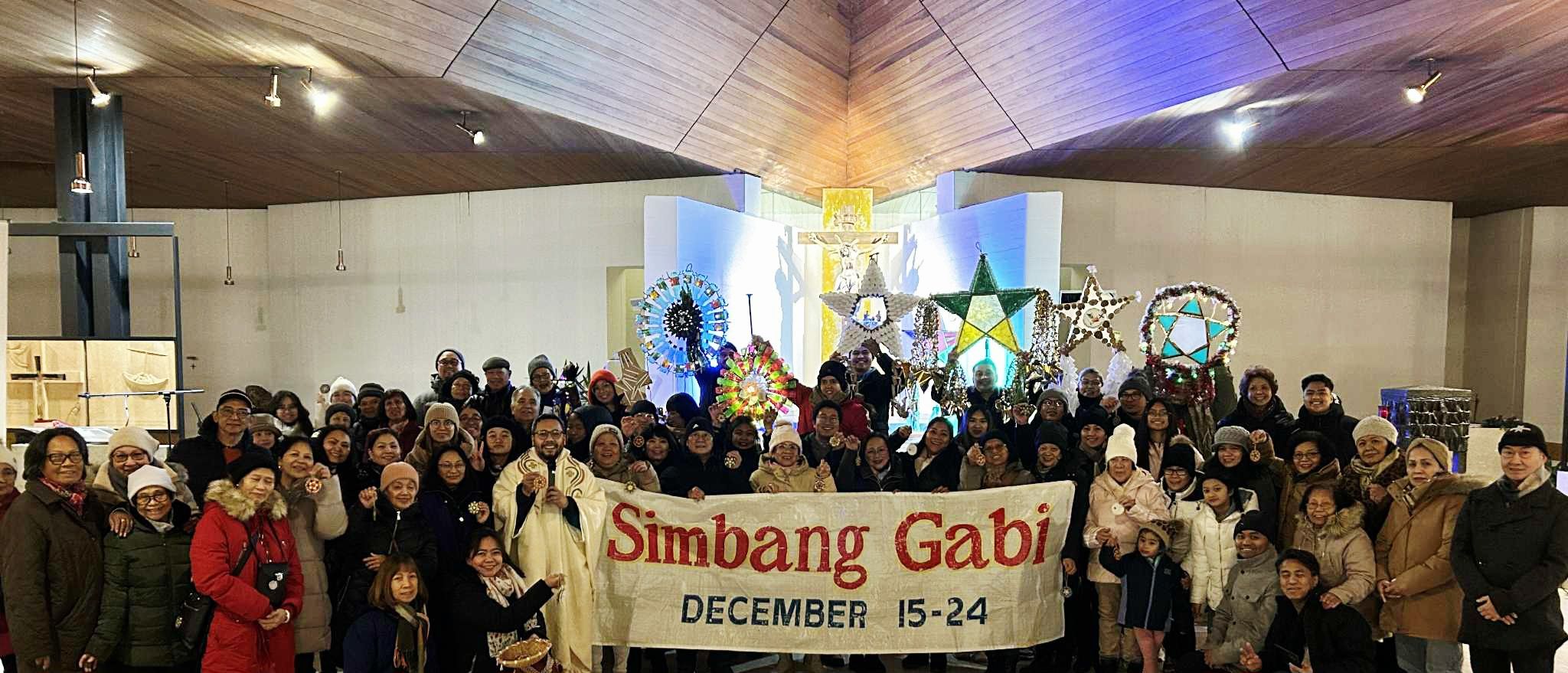
At the center of Filipino Christmas is Simbang Gabi, the nine-day novena of dawn or evening Masses leading up to Christmas Eve. Filipino chaplaincies in Vienna, Salzburg, Linz, and other cities transform their churches into warm sanctuaries filled with familiar hymns. Families arrive bundled in coats and scarves, but inside, the atmosphere feels unmistakably Filipino—joyful, prayerful, and communal.
For many, attending Simbang Gabi is a way to stay connected to the Philippines despite the distance. “It reminds us of home,” says one long-time migrant. “Even if we’re far away, we feel the same spirit, the same hope.”
A Feast of Cultures: Noche Buena in Austria
On Christmas Eve, Filipino families gather for Noche Buena, a midnight feast that blends tradition with the realities of life in Austria. The table often becomes a delicious cultural fusion:
- Lechon kawali beside Wiener Schnitzel
- Pancit next to Kartoffelsalat
- Bibingka and puto bumbong sharing space with Vanillekipferl
- Hot chocolate served alongside Glühwein
For many families, Christmas Eve is also a moment to connect with relatives in the Philippines through video calls—bridging time zones, sharing laughter, and exchanging blessings.
Community as Family
Perhaps the most defining aspect of Filipino Christmas in Austria is the sense of community. With many migrants living far from their immediate families, the Filipino community becomes a second home.
Christmas parties organized by chaplaincies, regional groups, and associations are lively affairs filled with games, raffles, choir performances, and the ever-popular visit of Santa Claus—sometimes played by a cheerful Tito in a borrowed suit.
Children born in Austria learn Filipino traditions through these gatherings. Seniors find companionship. Migrant workers find rest and belonging. And everyone, regardless of age, finds joy.
Faith That Travels, Hope That Endures
Celebrating Christmas in Austria is not simply about preserving tradition—it is about transforming it. Filipinos adapt their customs to new surroundings while keeping the heart of the celebration intact: faith, family, generosity, and joy.
In a land where winter nights are long, Filipinos bring their own light—through parols, through music, through community, and through a faith that remains steadfast across continents.
Christmas in Austria may look different from Christmas in the Philippines, but its essence remains the same. It is a season of hope. A season of connection. A season where Filipinos, no matter how far from home, remember who they are and celebrate the love that binds them.
- Hector Pascua/picture: (2) Facebook


This post has already been read 5401 times!