 0
0
 0
0
The Catholic Church celebrates the Solemnity of the Epiphany on Tuesday
Every year on January 6, Catholics around the world celebrate one of the oldest and most meaningful feasts of the Christian tradition: the Epiphany, also known as the “Manifestation of the Lord.” While many associate the day with the Three Kings, the feast carries a rich tapestry of biblical symbolism, cultural customs, and spiritual insights. Here are some of the most common questions—and thoughtful answers—about this beloved celebration.
What exactly is the Feast of the Epiphany?
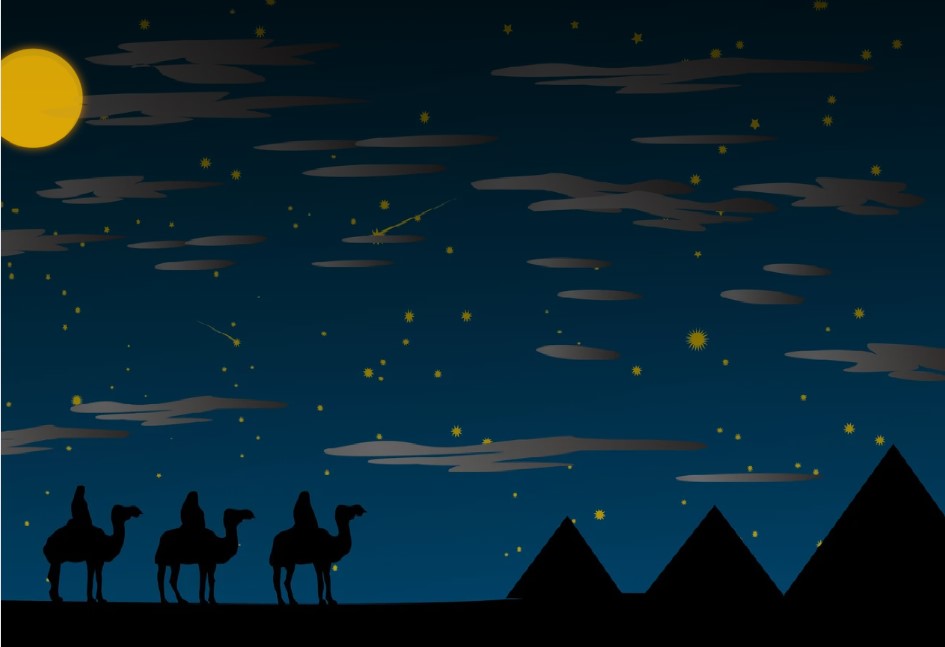
The word Epiphany comes from the Greek epiphaneia, meaning “appearance” or “manifestation.” In Christian tradition, it marks the moment when Jesus Christ was revealed to the world beyond Israel. The Gospel story of the Magi—wise men from the East who followed a star to Bethlehem—symbolizes this universal revelation. Their journey shows that Christ’s light is meant for all peoples, cultures, and nations.
Why is January 6 significant?
January 6 has been associated with the Epiphany since at least the 4th century. In many countries, it is considered the official end of the Christmas season. Historically, the date also gathered several “manifestation” events into one feast:
- the visit of the Magi,
- the Baptism of Jesus in the Jordan,
- and the Wedding at Cana.
Over time, Western and Eastern traditions emphasized different aspects, but the core message remains the same: God reveals Himself in human history.
Who were the Three Kings—or were they kings at all?
The Gospel of Matthew does not call them kings, nor does it specify their number. It simply refers to “Magi,” a term that likely described scholars, astrologers, or priests from Persia or Arabia. The traditional number three comes from the three gifts they offered: gold, frankincense, and myrrh.
- Gold symbolizes kingship,
- Frankincense divinity,
- Myrrh the mystery of suffering and death.
Over centuries, Christian imagination gave them names—Caspar, Melchior, and Balthasar—and depicted them as representing the continents of Europe, Asia, and Africa, a sign of the Gospel’s universality.
How is Epiphany celebrated in the Catholic Church?
The liturgy of Epiphany is festive and radiant. Churches proclaim the Gospel of the Magi, bless homes, and sometimes announce the dates of the coming liturgical year. In many countries, children dress as the Three Kings and go from house to house singing and collecting donations for charity.
One beloved custom is the blessing of homes, where the initials C+M+B are written above the door. They stand for Christus Mansionem Benedicat—“May Christ bless this home”—and also echo the traditional names of the Magi.
Why is the feast especially meaningful today?
In a world marked by uncertainty, migration, and cultural diversity, the story of the Magi speaks with renewed relevance. These travelers crossed borders, followed a sign of hope, and recognized the presence of God in a vulnerable child. Their journey invites us to seek light, to welcome the stranger, and to trust that God’s revelation often appears in unexpected places.
Is Epiphany still important in everyday Catholic life?
Absolutely. For many families, January 6 is a cherished moment of blessing, gathering, and gratitude. For parishes, it is a reminder that the Church’s mission is global and inclusive. And for believers, it is a call to let Christ’s light shine through acts of compassion, justice, and joy.
- Mag. Hector Pascua/picture: canva.com



This post has already been read 149 times!