 0
0
 0
0
On most mornings, the first artificial intelligence you meet is not a humanoid robot—it’s your phone. Before you’re fully awake, KI has already analyzed your sleep cycle, suggested the best time for your alarm to ring, and filtered the overnight flood of emails so only the important ones greet you. By the time you’ve had your first cup of coffee, AI has touched your life more times than you might imagine.
Far from the futuristic fantasies of films, AI has become an everyday companion—subtle, efficient, and woven into the fabric of modern living. It shapes how we work, travel, shop, learn, and even how we remember. And while it often works behind the scenes, its impact is profound.
A Silent Partner in Daily Decisions
Every “You might also like…” suggestion on Netflix, Spotify, or Amazon is powered by AI. These systems learn from your habits—what you watch, skip, or replay—and use that data to predict what you’ll enjoy next. This kind of personalization has become so natural that we barely notice it anymore.
Even unlocking your phone with your face is a AI-driven process. Facial recognition systems compare your features with stored data in milliseconds, making security both seamless and personal.
Transforming the Way We Move
Navigation apps have become indispensable, but few realize how much AI is doing behind the scenes. It analyzes traffic patterns, predicts congestion, and suggests the fastest route—sometimes before you even know there’s a problem ahead. As one article puts it, by 9 AM, AI has already shaped your day a dozen times.
Public transport systems, ride-sharing apps, and even e-scooter fleets rely on AI to optimize routes, reduce waiting times, and manage demand.
A New Rhythm in Work and Productivity
In the workplace, AI has shifted from novelty to necessity. It sorts emails, flags urgent tasks, and automates repetitive work so humans can focus on creativity and strategy. Rather than replacing people, AI often acts as a digital assistant—speeding up workflows and reducing mental load.
For researchers and educators, AI tools help analyze data, transcribe interviews, and even support learning through adaptive platforms. As cultural anthropologist Christoph Bareither notes, AI doesn’t just support our daily routines—it actively shapes them, influencing how we learn, remember, and interact with information.
Changing How We Learn, Shop, and Communicate
From virtual museum guides to language-learning apps that adapt to your pace, AI is transforming how we absorb knowledge. It can identify objects in photos, translate text instantly, and help students practice skills with personalized feedback.
Shopping has also become smarter. Online stores use AI to predict trends, manage inventory, and tailor product suggestions. Even in physical shops, AI-powered sensors track foot traffic and help optimize layouts.
The Emotional Side of AI
Perhaps the most surprising effect of AI is how it shapes our emotional lives. Smart assistants greet us, playlists match our moods, and social media algorithms curate what we see. These systems influence not only what we consume, but how we feel and connect.
This raises important questions: Are we still choosing freely? How do algorithms shape our worldview? And how do we ensure AI strengthens—not replaces—human relationships?
These questions matter deeply, especially in communities like yours, where connection, empathy, and shared experience are central.
A Tool That Reflects Our Values
AI is neither good nor bad on its own—it reflects the intentions of the people who design and use it. When applied thoughtfully, it can support inclusion, accessibility, and creativity. It can help communities stay connected, empower young people to lead, and preserve cultural traditions in new ways.
But it also requires awareness. Understanding how AI works helps us use it wisely, question its influence, and ensure it serves human dignity rather than undermining it.
The Future: More Human Than We Think
The future of AI isn’t about replacing humans—it’s about amplifying what makes us human. Creativity. Empathy. Collaboration. Imagination.
As AI continues to evolve, the challenge is not to fear it, but to shape it. To ask: How can AI help us build communities of hope, unity, and belonging? How can it support intergenerational learning and cultural identity? How can it free us to focus on what truly matters?
The invisible revolution is already here. The question now is how we choose to participate in it.
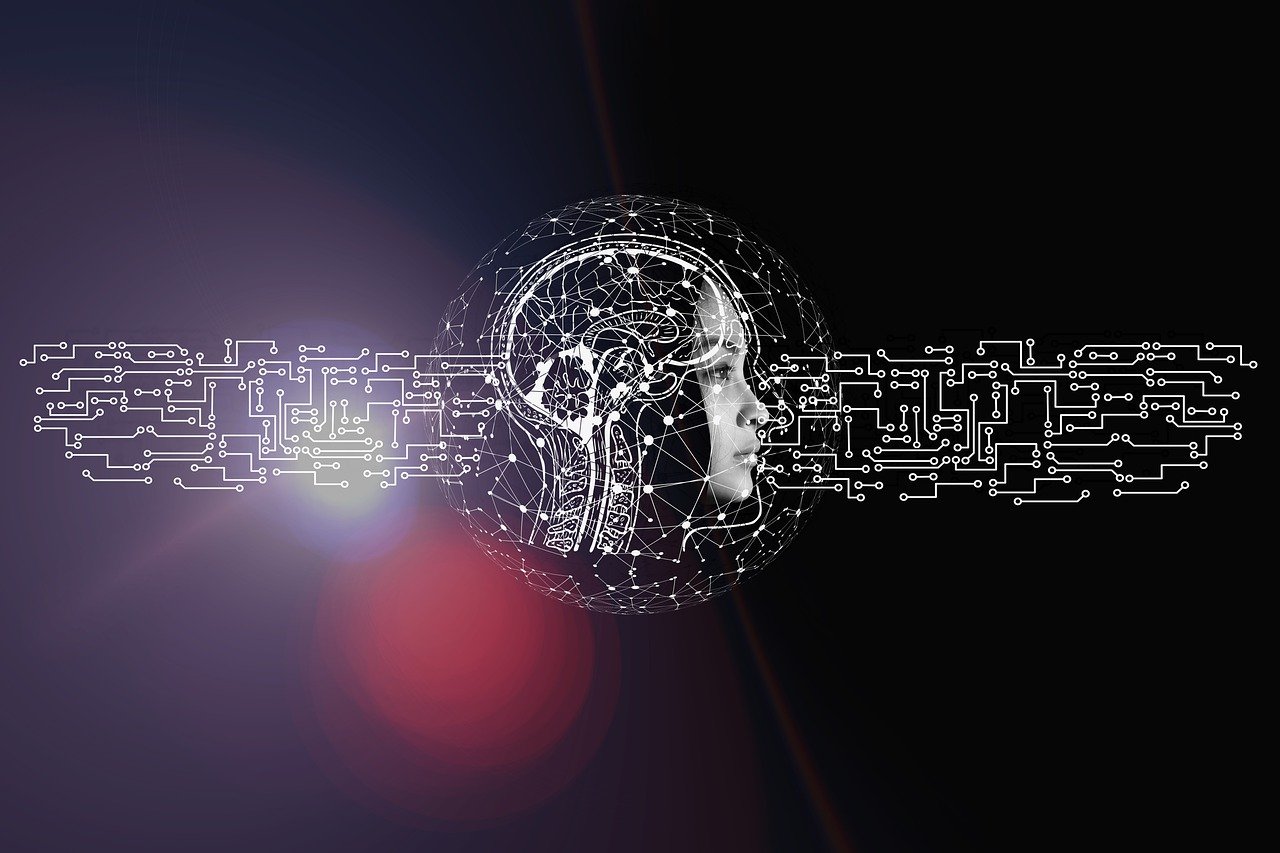
- Hector Pascua/picture: Image by Gerd Altmann from Pixabay



This post has already been read 960 times!