 0
0
 0
0
As temperatures drop across the country, many households are switching their heating back on for the first time this season. With rising energy costs and high utility bills from 2024 now reaching tenants in 2026, it’s no surprise that people are looking for ways to save money. One common idea sounds simple enough: turn the heating off at night. But experts warn that this strategy may backfire.
Should You Switch Off the Heating at Night?
The belief that shutting off the heating overnight saves money is widespread. After all, most people are asleep and don’t need warm rooms during those hours. And with modern systems, turning the heat back up in the morning seems easy enough.
However, heating specialists strongly advise against completely shutting down your system overnight. Maintaining a minimum indoor temperature is more important than many realize.
Poor Insulation Can Increase Costs
When the heating is turned off, indoor temperatures naturally drop. In well‑insulated homes, this happens slowly. But in older buildings or apartments with poor insulation, the temperature can fall rapidly.
Once the structure cools down, your heating system must work significantly harder the next morning to bring rooms back to a comfortable level. The energy required to reheat cold walls, floors, and furniture often exceeds any savings from turning the system off overnight. In other words, the short‑term savings disappear by the next day.
Risk of Mold Growth
Environment Agency recommends maintaining indoor temperatures of around 17–18°C depending on the room. If temperatures fall too low, walls and ceilings can cool to the point where moisture condenses on their surfaces. This creates ideal conditions for mold growth.
Experts emphasize that this is one of the main reasons not to switch off heating completely at night. Once mold develops, it can be costly to remove and harmful to your health.
So How Should You Heat Properly?
If turning the heating off entirely isn’t advisable, what’s the alternative?
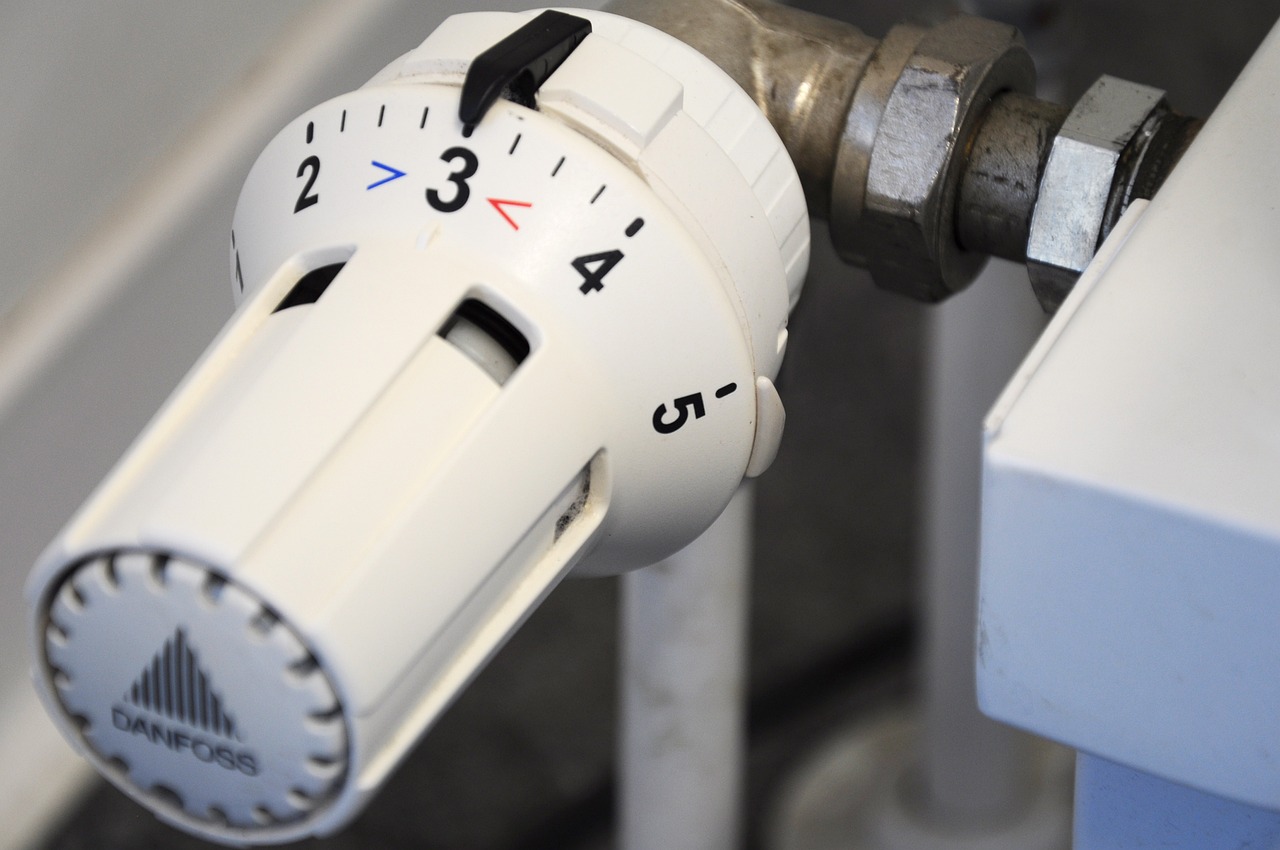
- Lower the temperature instead of shutting it off. Reducing the heat at night is fine—just avoid letting rooms get too cold.
- Aim for around 18°C, though slightly lower temperatures can be acceptable if the risk of mold remains low.
- Consider your heating system type. According to experts, night‑time temperature reductions don’t make sense for systems like underfloor heating or heat pumps, which operate more efficiently at steady, consistent levels.
The Bottom Line
Turning your heating off once a day—especially overnight—may seem like an easy way to cut costs. But in many homes, particularly those with poor insulation, it can lead to higher energy use, increased expenses, and even mold problems. A moderate temperature reduction is usually the smarter, safer, and more efficient choice.
- source: futurezone.de/picture: pixabay.com



This post has already been read 8890 times!