 0
0
 0
0
The year 2026 got off to a chilly start, with January coming in about one degree colder than the long-term average from 1991 to 2020.
Looking further back, however, paints a different picture. Compared to the reference period from 1961 to 1990, January 2026 would actually be considered normal — even around 0.5 degrees warmer than average, according to meteorologists at the weather service Ubimet.
“This is yet another sign of how climate change has already shifted our perception and reference points,” the experts noted.
Foehn Winds Push Temperatures Up
February began across much of Austria’s lowlands with gloomy skies, grey conditions and frequent rain. Stormy weather followed on Tuesday, prompting the Austrian Severe Weather Warning Service (UWZ) to issue alerts for Vorarlberg, Tyrol, Salzburg, Upper Austria, Lower Austria and Styria.
Adding to the unsettled conditions are foehn winds, which are driving daytime highs in some regions up to 13 degrees Celsius.
According to Ubimet, the rest of the week will remain in the “single-digit positive range.” On Wednesday, temperatures are expected to peak between 0 and 8 degrees Celsius, though freezing rain — and therefore icy roads — is once again a concern, especially in eastern parts of the country.
Thursday and Friday will bring similar conditions. Fresh snowfall is only expected at higher elevations above around 800 meters, and over the weekend the snowline is forecast to rise even further. Overall, these patterns remain fairly typical for February.
Deep Freeze for Neighbors
Far less typical is the cold wave gripping parts of northern and eastern Germany, where continuous frost has settled in.
Across large areas of the United States, extreme cold has also dominated for days. In West Virginia, temperatures have plunged as low as minus 33 degrees Celsius. Even usually sunny Florida has experienced temperatures below freezing.
What Does the Polar Vortex Have to Do With It?
Northern Germany is currently under the influence of a high-pressure system over Scandinavia, pushing polar air southward. In the United States, meteorologists point to disruptions in the polar vortex — a massive circulation of cold air high in the atmosphere, between 10 and 50 kilometers above Earth.
When disturbed, the vortex can weaken, stretch, or even split apart, allowing cold air to spill into regions that don’t normally experience such extreme temperatures — as seen recently in Florida.
And What About Austria?
“For now, not much,” Ubimet experts reassure. The northern cold wave is not expected to reach Austria. Instead, a low-pressure system is moving in with milder, moisture-laden air.
As a result, the coming days in February are set to continue much as the month began across large parts of Austria: cloudy, grey and rainy.
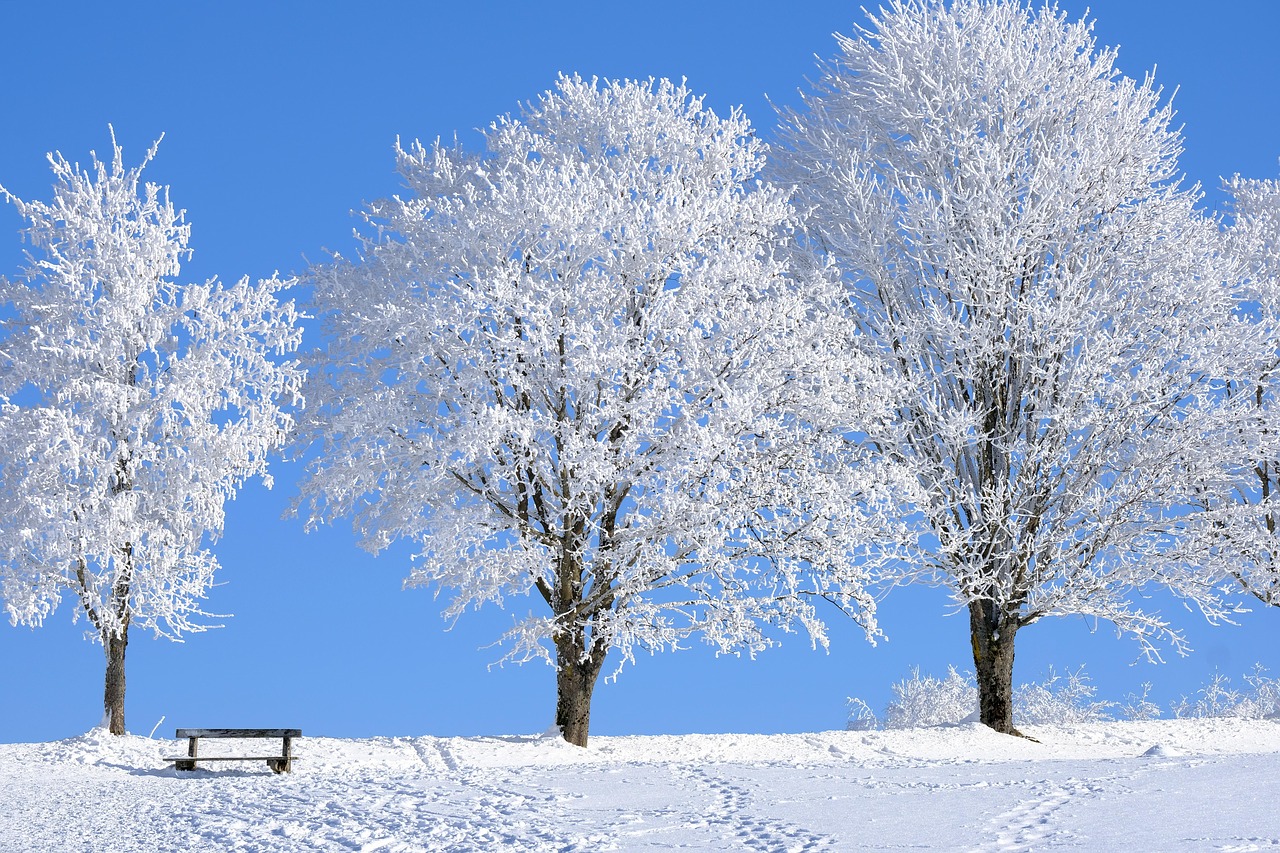
- source: kurier.at/picture: Image by Nicky ❤️🌿🐞🌿❤️ from Pixabay



This post has already been read 18274 times!