 0
0
 0
0
Walk into any supermarket and you’ll see dozens of brands, bottle shapes and crate formats — enough to confuse even the most health‑conscious shopper. To make sense of it all, here’s a breakdown of the five water categories defined for human consumption and what they mean for your daily hydration
1. Tap Water (Trinkwasser)
Strictly regulated and highly controlled
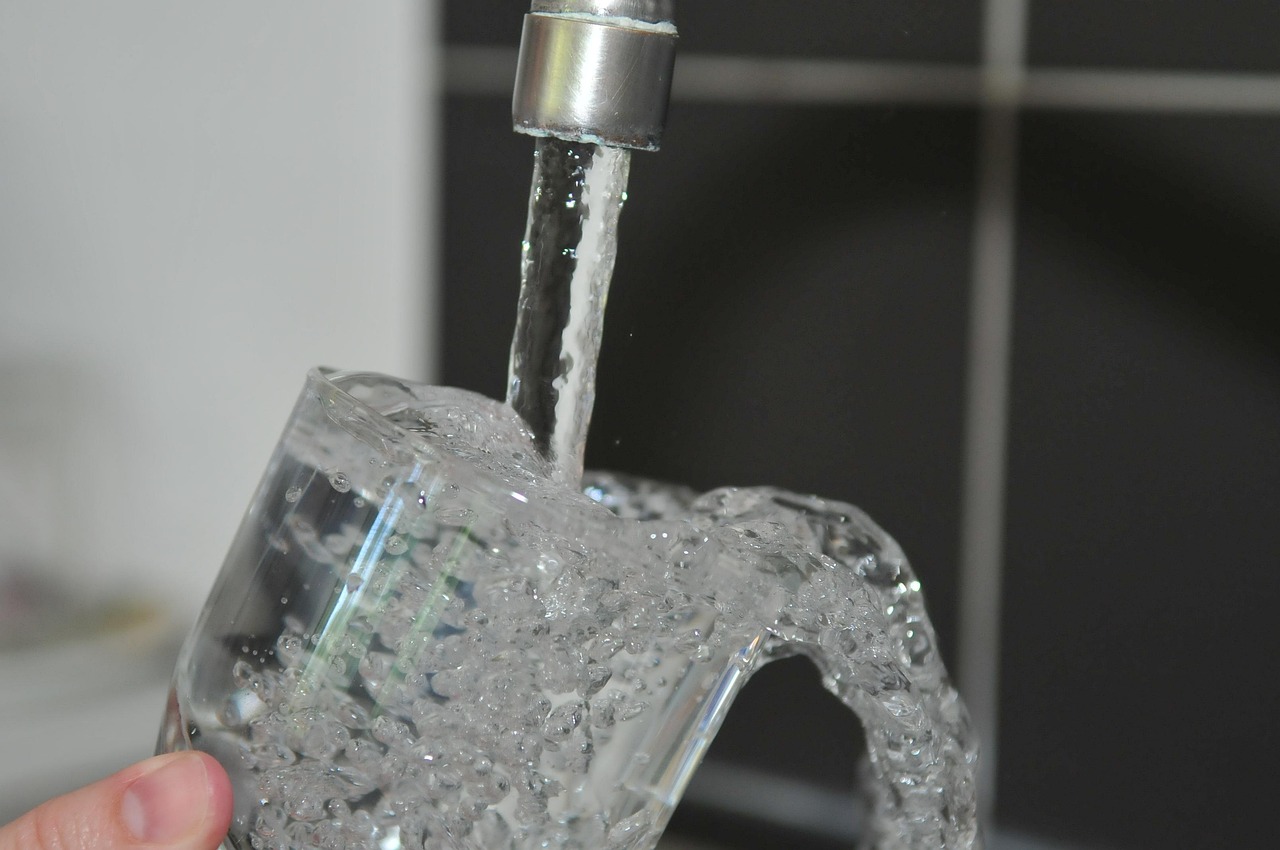
Tap water is the most tightly monitored food product. In most of the countries all over the world, quality is governed by the Drinking Water Ordinance, which sets strict limits for chemical, physical and microbiological parameters. The goal: water that can be consumed safely for a lifetime.
It typically comes from groundwater, surface water or spring water and is treated to ensure purity.
Tap water contains only small amounts of minerals, and these vary by region. Its primary purpose is safe, everyday hydration.
Excellent as a daily drink.
2. Mineral Water
Natural origin, natural minerals
Mineral water must meet the requirements of the Mineral and Table Water Ordinance (MTWVO). It must:
- Come from protected underground sources
- Be naturally pure
- Contain a stable mineral composition
- Be bottled at the source
- Receive official recognition
Mineral water naturally contains minerals such as calcium, magnesium, sodium, sulfate or bicarbonate. Levels vary widely depending on the source, which means different waters can offer different health benefits.
Excellent for daily hydration and mineral intake. Choosing a water rich in specific minerals can be useful depending on individual needs.
3. Spring Water (Quellwasser)
Natural but less regulated
Spring water also comes from underground sources and must be naturally pure. However, the regulations are less strict than for mineral water, and it does not require official approval.
Mineral content is usually lower and less consistent than in mineral water.
Suitable as a drink, but generally contributes fewer minerals.
4. Table Water (Tafelwasser)
Table water is not a natural product. It is typically made from tap water or mineral water, with optional additions such as sea water, salts or carbon dioxide. Its composition is more flexible and less strictly regulated.
Highly variable — it may contain minerals, but doesn’t have to.
Safe to drink, but its mineral contribution varies.
Important note: Table water is essentially tap water — often sold in fancy bottles at premium prices. Don’t be fooled by marketing.
5. Medicinal Water (Heilwasser)
Medicinal water is classified as a medicinal product under German pharmaceutical law. It requires approval from the Federal Institute for Drugs and Medical Devices (BfArM), which is only granted if its therapeutic effects are scientifically proven.
It contains high concentrations of specific minerals or trace elements that can support treatment of certain health conditions.
Not intended for everyday hydration. Should be used for therapeutic purposes, ideally after consulting a doctor.
Conclusion
- Tap water is the basic, highly controlled everyday drink.
- Mineral water provides natural minerals in addition to hydration.
- Spring water is natural but usually less mineral-rich.
- Table water is a mixed product — often just tap water in disguise.
- Medicinal water is a therapeutic product, not a daily beverage.
For daily hydration, tap water and mineral water are the most relevant choices.
Practical Tip
Drink the water you enjoy most — regardless of category, brand or carbonation level. The best water is the one that keeps you happily hydrated.
- Hector Pascua with reports from focus.de/picture: pixabay.com



This post has already been read 10425 times!