 0
0
 0
0
In 2025, hospitals in Austria treated 824,400 people for accident-related injuries, either as outpatients or inpatients. According to the Austrian Road Safety Board (KFV), this represents a 2% increase compared to the previous year.
Treatment costs rose by 7%, reaching three billion euros. Most injuries occurred at home (334,500 cases), followed by leisure and recreational sports (280,700), work and school (111,400), and traffic accidents (97,800).
Accidents at home on the rise
“The greatest risk of accidents is within your own four walls,” said KFV Director Christian Schimanofsky at a press conference in Vienna. A striking trend is the sharp increase in accidents while walking inside the home. Compared to 2024, these incidents rose by 21%, reaching 86,000 hospital-treated injuries, with seniors particularly affected.
Other household-related increases include:
- Cleaning accidents: +12% (30,000 injuries)
- Home and garden work: +19% (26,400 injuries)
- Cooking accidents: +18% (14,400 injuries)
Record number of injuries among seniors
In 2025, accidents involving older adults reached a new high of 266,100 injuries. Schimanofsky emphasized the need for stronger prevention measures tailored to seniors. Each preventive step, he said, helps ease the burden on care facilities and the healthcare system—and prevents significant human suffering. “Targeted prevention can counteract these trends,” he stressed.
Slight decline among children
Among adults aged 25 to 64, the number of hospital-treated injuries rose by 4% to around 333,100. For children aged 0 to 14, injuries decreased slightly by 2%, though the total remains high at 119,600. Another 105,600 adolescents (15–24) were injured, a 3% decrease.
By region, most accidents involved residents of:
- Vienna: 160,300
- Upper Austria: 140,800
- Lower Austria: 134,100
Most commonly injured body parts
Across all accidents in Austria, the most frequently injured body parts were:
- Fingers: 102,200 cases
- Knees: 72,200
- Ankles/foot joints: 70,900
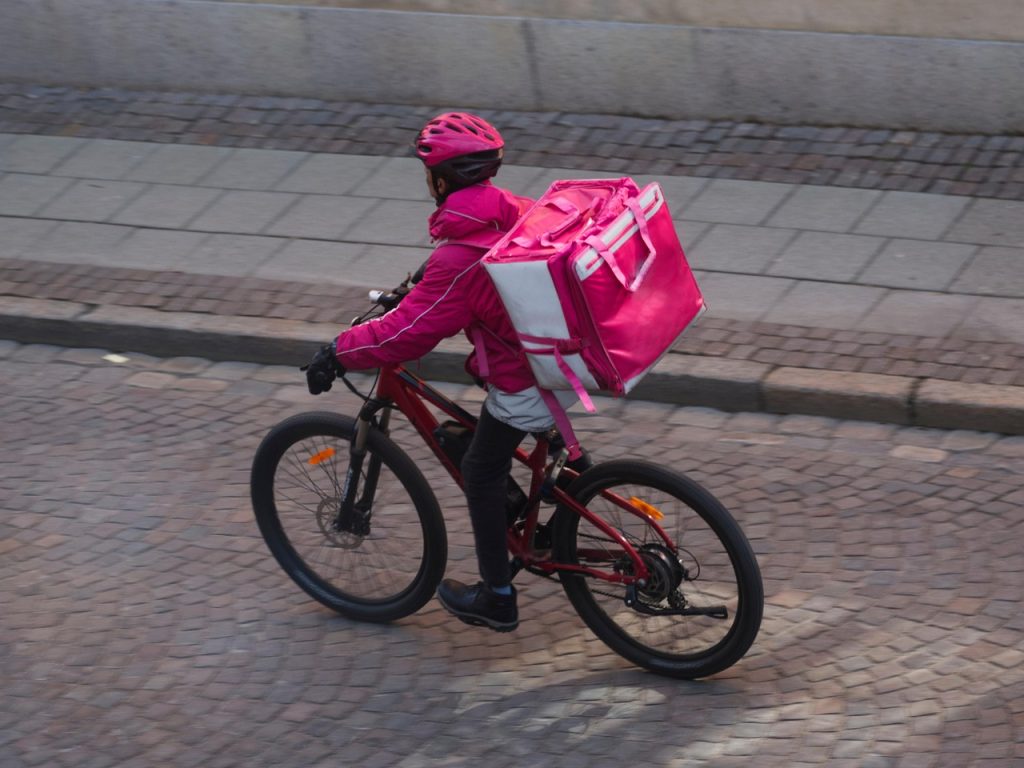
In sports accidents, the knee was the most affected (28,600 cases). For the first time, more than 5% of sports injuries involved head injuries. Head injuries are also a growing concern in road traffic, said Klaus Robatsch, head of traffic safety at KFV. Traffic-related hospital injuries rose by over 6% to 97,800, with a particularly high share involving bicycles, e-bikes, and e-scooters.
Call for universal helmet requirements
The KFV renewed its call for a mandatory helmet requirement for all ages when using e-scooters and e-bikes. Current political plans focus only on younger users, but Robatsch pointed out that 97% of injured e-bike riders are older than 14. Helmets cannot prevent accidents, he said, but they significantly reduce injury severity. A universal helmet rule for bicycles, e-bikes, and scooters would be “a relatively simple measure,” potentially preventing 1,000 head and brain injuries per year.
Physicist Werner Gruber also supported the proposal. He explained that a helmet’s hard outer shell distributes impact forces over a larger area, while the softer inner layer absorbs energy and converts it into heat. Using an apple to simulate a child’s head, he demonstrated the difference a helmet makes when struck with a hammer. His final safety tip: “The safest means of transport is the elevator!”
- Hector Pascua with reports from APA/picture: canva.com



This post has already been read 27 times!