 0
0
 0
0
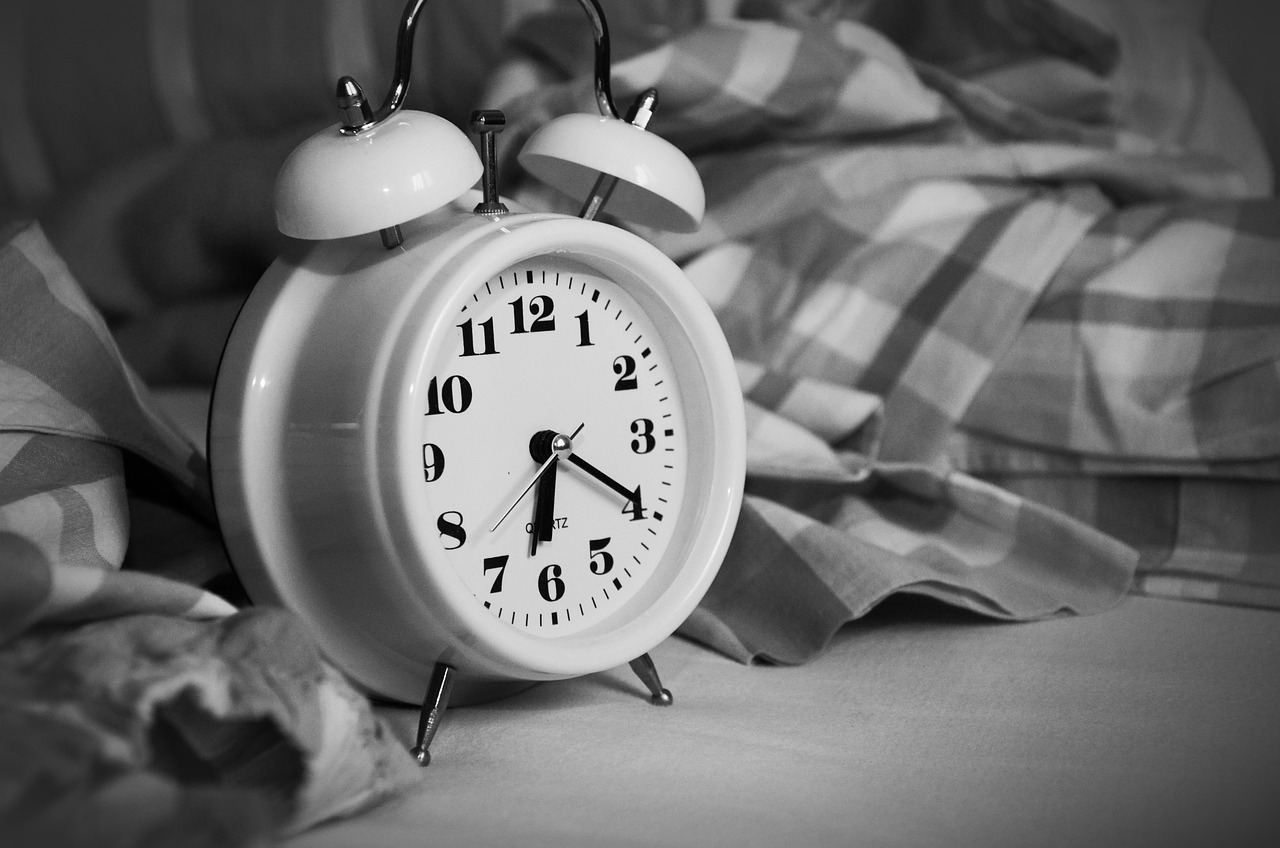
On the last Sunday in March, clocks are moved forward from 2:00 a.m. to 3:00 a.m., marking the start of Daylight Saving Time. This year, the change takes place during the night of March 29. The “lost” hour will be returned at the end of October when winter time begins again.
Many people still have clocks that were never adjusted after the last time change in autumn — whether it’s the digital clock on an old oven, the one in grandma’s kitchen, or the display in the car. For anyone affected, there’s good news: during the night of March 28 to 29, these clocks will automatically show the correct time again without you having to do anything.
Everyone else in Austria whose clocks do not adjust automatically will need to change them manually. Winter time traditionally ends on the last Sunday in March, which this year falls on March 29. At 2:00 a.m., clocks jump forward to 3:00 a.m. There’s no need to get up at night — for most people, adjusting the clocks after waking up on Sunday is perfectly fine.
Why is Daylight Saving Time already a topic now? After last week’s return of winter weather, temperatures across most of the country are expected to rise again, bringing more sunshine. That naturally sparks spring feelings — and the desire for longer, brighter evenings. Starting March 29, mornings will be darker for a while, but evenings will stay light longer.
Across the EU, previously differing rules for Daylight Saving Time were standardized in 1996. The “stolen” hour is returned in autumn: on the last Sunday in October, winter time begins again. This year, that happens during the night of October 24 to 25 — the earliest possible date. In contrast, winter time in 2027 will not begin until October 31. Winter time, by the way, is actually the standard time (Central European Time, CET).
Plans to Abolish the Time Change Are on Hold
Every six months, the time change reignites discussions about ending the practice altogether. Back in September 2018, the European Commission proposed abolishing the biannual clock change across the EU. The European Parliament approved the idea in 2019. Since then, the matter has been in the hands of the Council — and therefore the member states.
The proposal would allow each country to choose whether to keep summer time or winter time permanently. However, the EU insists on a coordinated approach to avoid a confusing patchwork of time zones.
Since the COVID‑19 pandemic, the initiative has effectively been frozen, and the EU has not actively pursued it. The planned coordination among member states has stalled.
Austria has observed Daylight Saving Time since 1979; Germany introduced it in 1980. France adopted it earlier, in 1976, in response to the oil crisis as an energy‑saving measure. The EU-wide harmonization followed in 1996.
Temporary time changes existed even earlier: Austria-Hungary introduced one in 1916, and further summer-time rules were applied between 1940 and 1948.
- source: derstandard.at/picture: pixabay.com



This post has already been read 37 times!