 0
0
 0
0
We make thousands of decisions every single day. Most slip by unnoticed: choosing a route to work, picking a snack, replying “yes” or “no” to a message. Others feel like mental mountains—agonizing, exhausting, endlessly postponed. A new study sheds light on why some choices glide by effortlessly while others weigh heavily on us, and the findings reveal something surprisingly hopeful about human decision‑making.
The Hidden Architecture of Easy Decisions
Researchers have long known that the brain prefers efficiency. The new study confirms this: decisions feel easy when the options are familiar, low‑risk, or aligned with our existing preferences.
1. Familiarity reduces cognitive load
When we’ve encountered a situation before—choosing our usual coffee, buying a brand we trust—the brain relies on established patterns. This “autopilot mode” is fast, energy‑saving, and usually accurate.
2. Clear preferences act as shortcuts
If you already know you dislike spicy food, the menu becomes simpler. Strong likes and dislikes narrow the field, making decisions almost automatic.
3. Low stakes = low stress
When the consequences are small, the brain doesn’t bother with deep analysis. Choosing between two similar T‑shirts rarely triggers an existential crisis.
In short: easy decisions are easy because the brain doesn’t need to work hard. It recognizes the terrain.
Why Some Decisions Feel Impossible
The study also highlights the conditions that make decisions feel heavy, slow, or downright painful. Unsurprisingly, these are the moments when our brain must step out of autopilot and into full analytical mode.
1. High stakes amplify pressure
Career moves, financial commitments, or relationship choices activate the brain’s threat‑detection systems. The fear of regret or loss can paralyze us.
2. Too many options create overload
The famous “paradox of choice” is real. When faced with dozens of possibilities—think streaming platforms or online shopping—our brain struggles to compare everything meaningfully.
3. Conflicting values create internal friction
Should you prioritize stability or passion? Comfort or growth? When values collide, the decision becomes a negotiation with yourself.
4. Uncertainty is the ultimate disruptor
Humans dislike the unknown. When outcomes are unpredictable, the brain keeps searching for clarity that may never come.
These factors combine to create what the researchers call “decision friction”—a measurable increase in mental effort, emotional tension, and time spent deliberating.
The Surprising Upside: Hard Decisions Make Us Smarter
One of the study’s most intriguing findings is that difficult decisions aren’t just obstacles—they’re opportunities. When the brain is forced to slow down, compare options, and reflect on values, it strengthens the very circuits responsible for long‑term planning and self‑control.
In other words: struggling with a decision is a sign that your brain is doing important work.
Hard decisions often lead to:
- clearer personal priorities
- stronger identity
- better long‑term outcomes
- increased resilience
The discomfort is part of the growth.
So How Can We Decide Better?
While the study focuses on the mechanics of decision‑making, it also hints at strategies that help lighten the load.
1. Reduce the number of options
Even eliminating one or two choices can dramatically ease mental strain.
2. Clarify what matters most
When values are clear, decisions align naturally.
3. Accept that uncertainty is unavoidable
Perfection is impossible; good‑enough choices are often the best ones.
4. Practice small decisions consciously
Strengthening decision‑making in low‑stakes situations builds confidence for bigger ones.
The Takeaway
We often judge ourselves harshly for struggling with decisions, but the new research suggests a more compassionate view. Easy decisions reflect familiarity and preference. Hard decisions reflect complexity, uncertainty, and growth. Both are essential parts of being human.
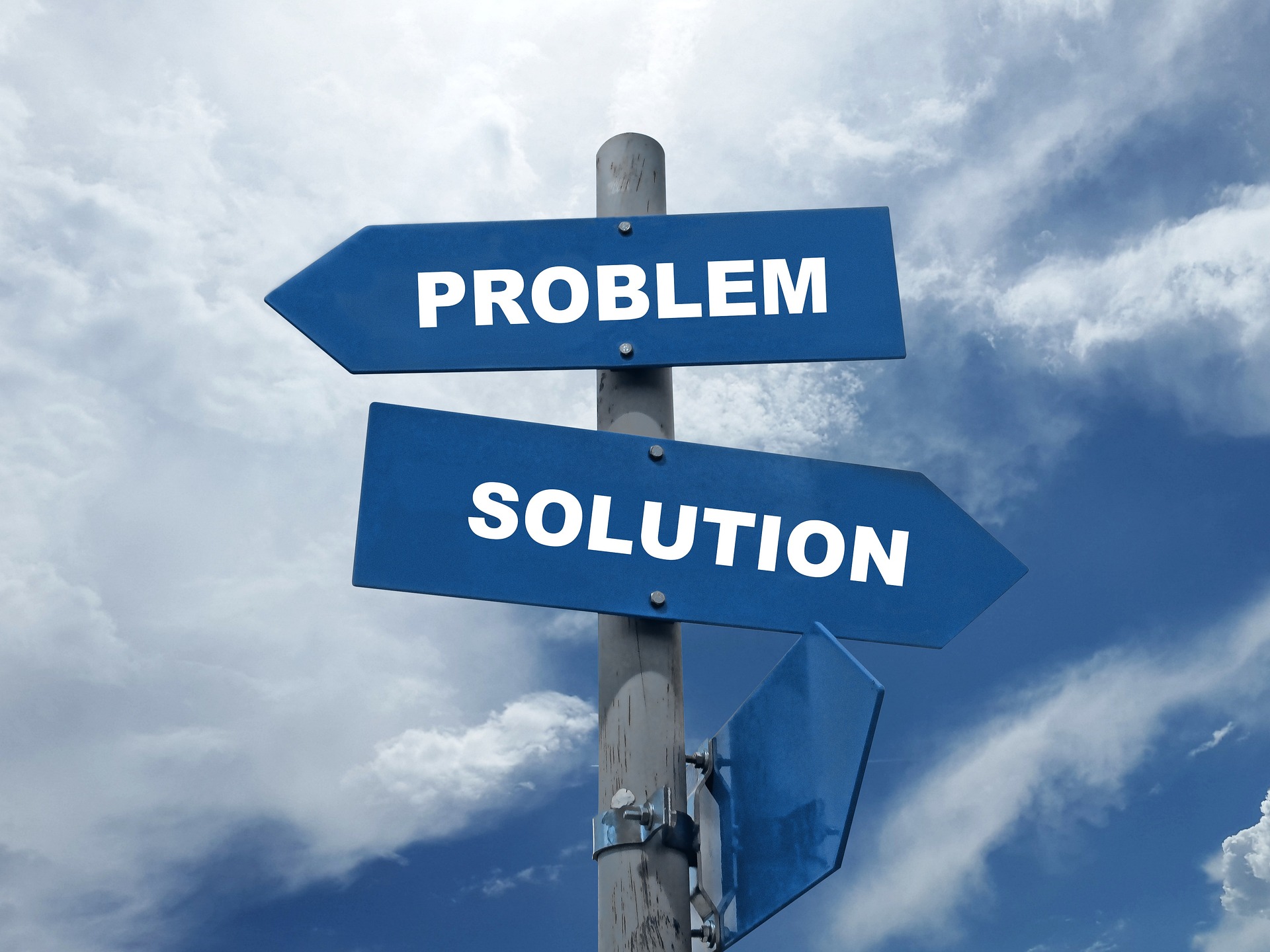
The next time you find yourself stuck between two paths, remember: the difficulty isn’t a flaw. It’s a sign that you’re standing at a meaningful crossroads—and your brain is rising to the challenge.
- Hector Pascua with reference from derspiegel.de/picture: Image by Pete Linforth from Pixabay



This post has already been read 11434 times!