 0
0
 0
0
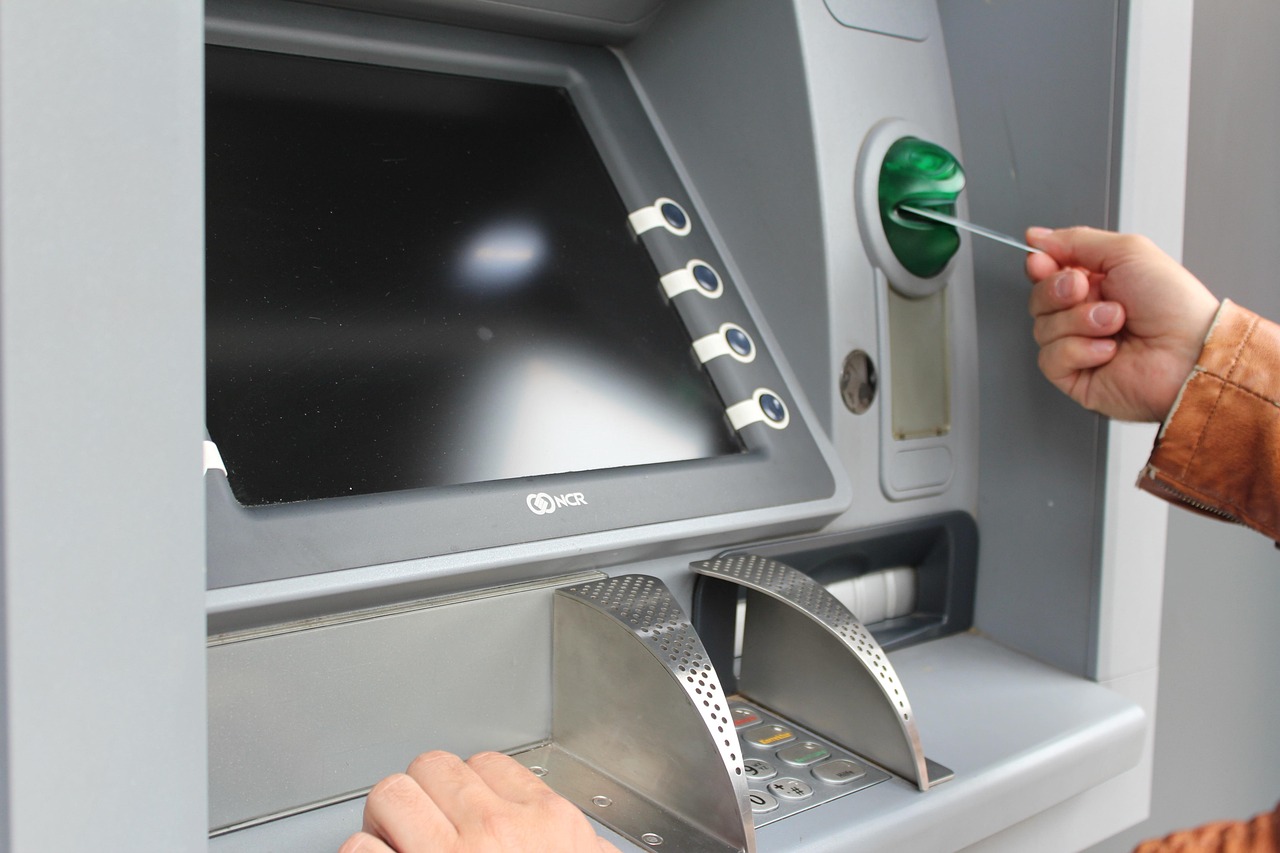
Manipulated ATMs remain one of the most common tricks used by fraudsters to steal money from unsuspecting passersby. The method behind this scam is known as skimming — and while the name may sound harmless, the consequences certainly aren’t. In this feature, we’ll show you how to spot a tampered ATM and how to protect yourself from becoming a victim.
What Exactly Is Skimming?
The term skimming comes from the English verb “to skim”, meaning to skim off or to remove the top layer. That’s essentially what criminals do: they intercept your transaction and siphon off your money before it ever reaches your hands.
In technical terms, skimming is considered a “man‑in‑the‑middle” attack. Fraudsters insert themselves between the bank and the person withdrawing cash, secretly capturing card data and PIN codes — often without the victim noticing anything unusual.
The tricky part? There isn’t just one skimming method. Criminals constantly adapt, creating new devices and techniques to stay one step ahead.
4 Warning Signs an ATM Has Been Manipulated
To help you stay safe, here are the most common indicators that an ATM may have been tampered with. If you notice any of these, stop your transaction immediately.
Suspicious Plastic Strips or Attachments
Fraudsters often attach plastic panels or strips to the machine — sometimes containing tiny hidden cameras. These cameras are positioned to record your PIN entry. If anything looks bulky, loose, or mismatched in color or material, that’s a red flag.
A Fake Keypad Covering the Real One
One of the most deceptive tricks involves placing a keypad overlay on top of the original keypad. This fake keypad records every number you press. If the keys feel unusually stiff, raised, or “off,” trust your instincts and walk away.
An Extra Card Slot or Reader
A classic skimming device is an additional card reader placed over the real slot. It scans the magnetic stripe of your card as you insert it, storing your data for later misuse. Look for anything that seems loosely attached, thicker than normal, or oddly shaped
Heat‑Sensing Cameras Pointed at the Keypad
Some criminals use thermal cameras to detect which keys were pressed by measuring residual heat. While this method is less common, it’s sophisticated — and another reason to always shield your hand when entering your PIN.
How to Protect Yourself From Skimming
Skimming can take many forms, which is exactly why it’s so difficult to detect. Still, you can significantly reduce your risk with a few simple habits:
Use ATMs in secure locations
Machines inside banks, shopping centers, or well‑monitored areas are far harder for criminals to tamper with.
Inspect the ATM before using it
Check the card slot, keypad, and surrounding surfaces. If anything looks loose, crooked, or unusual, choose another machine.
Cover the keypad with your hand
This simple gesture blocks cameras and thermal sensors. It won’t stop every type of skimming, but it dramatically reduces the risk.
Skimming is constantly evolving, but so can your awareness. By staying alert and knowing what to look for, you can protect your money — and your peace of mind — from one of the most persistent fraud schemes out there.
If you enjoy topics like this, you might also like following us on Google News for more consumer safety insights and digital security tips.
- Hector Pascua with reference from wmn.de/picture: pixabay.com



This post has already been read 470 times!