 0
0
 0
0
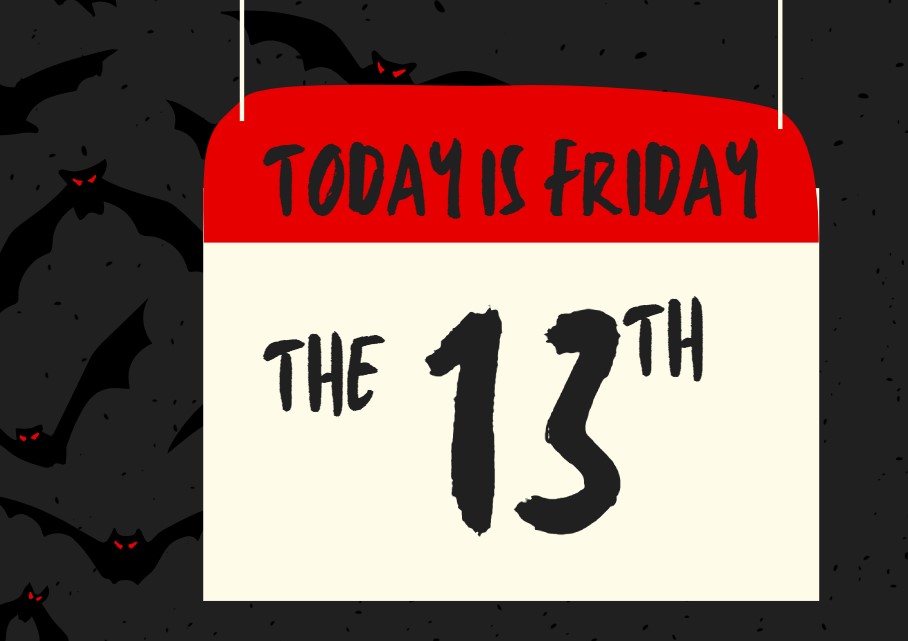
Wien, 13 March 2026 — As Austria wakes up to a crisp Friday morning, many residents may feel an extra twinge of unease: today is Friday the 13th, a date long associated with misfortune across much of the Western world. Though modern research shows no spike in accidents or bad luck, the superstition remains deeply rooted in centuries of myth, religion, and cultural storytelling.
Where Did the Fear Come From?
1. The Number 13 and Ancient Myth
The anxiety around the number 13 predates Christianity.
A well‑known Norse myth tells of a banquet of 12 gods disrupted by the trickster Loki, who arrived uninvited as the 13th guest. His actions led to the death of Balder, the god of joy, plunging the world into mourning and cementing 13 as a symbol of chaos.
2. The Christian Connection
Another major thread traces the superstition to the Last Supper, where Jesus dined with his 12 disciples—13 at the table. Judas, the betrayer, is often labeled the “unlucky” 13th guest.
The crucifixion on a Friday further fused the day and number into a single ominous pairing.
Why Today Matters: The Calendar Quirk
Friday the 13th occurs whenever a month begins on a Sunday. It happens at least once every year and sometimes—as in 2026—three times. This year’s trio of “unlucky Fridays” falls in February, March, and November.
Modern Superstition… or Just a Myth?
Despite its spooky reputation, studies show Friday the 13th isn’t any more dangerous than any other day. Yet the cultural weight of the superstition still influences behavior—from people avoiding travel to businesses skipping the number 13 in floors or rooms.
The fear even has a name: paraskevidekatriaphobia, the phobia of Friday the 13th.
Why We Still Care
Friday the 13th endures because it blends:
- Ancient mythology
- Religious symbolism
- Human pattern‑seeking
- Pop culture, including the famous horror film franchise
Even those who claim not to believe often feel a subtle cultural nudge to be just a bit more cautious.
A Viennese Perspective
Here in Wien, the date is more of a curiosity than a cause for alarm. But whether you’re superstitious or simply amused, today offers a moment to reflect on how stories—ancient and modern—shape our sense of luck, fate, and fear.
- Hector Pascua/picture: canva.com



This post has already been read 1226 times!