 0
0
 0
0
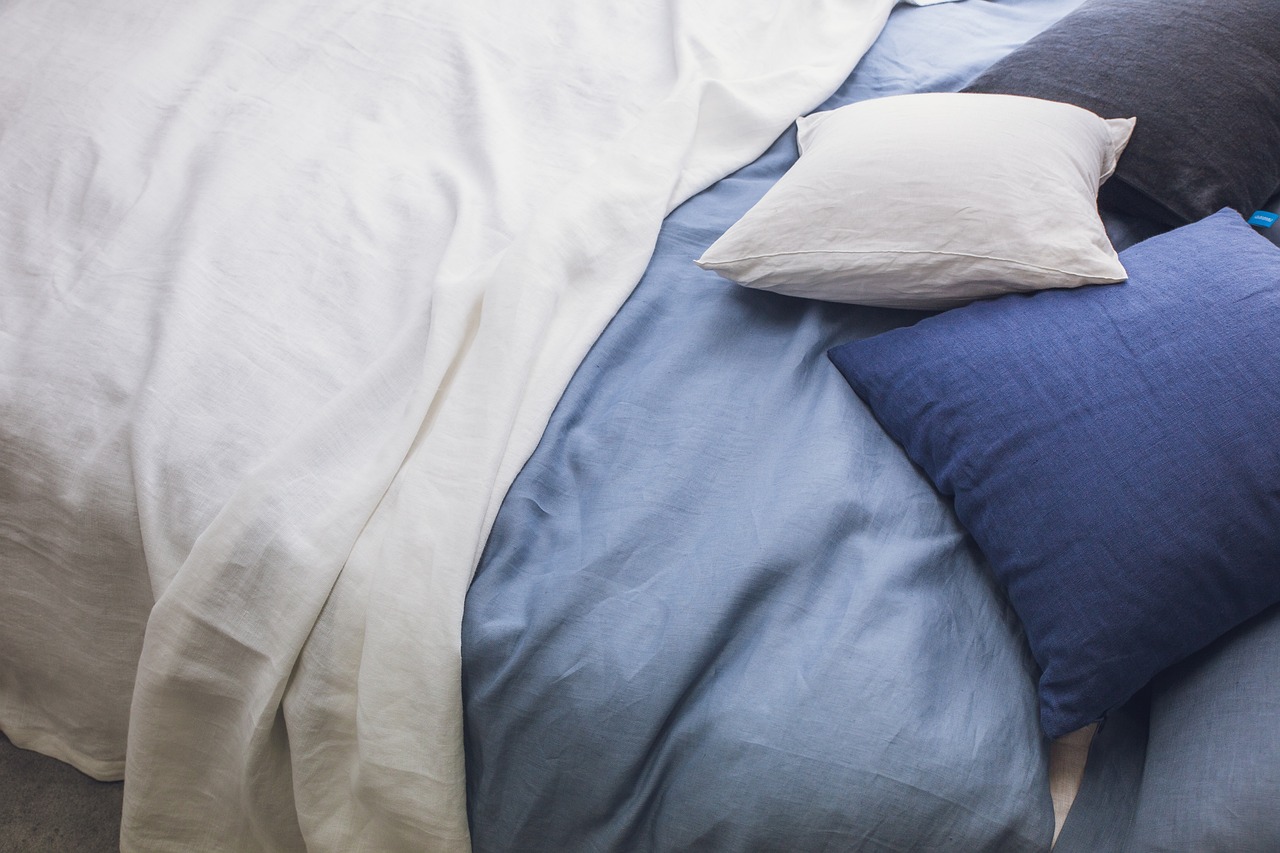
We spend roughly one-third of our lives in bed. It’s where our bodies repair themselves, where our brains consolidate memories, and where we retreat for comfort. But beneath the cozy surface of your sheets lies an ecosystem of dust mites, bacteria, sweat, and shed skin cells—an invisible world that grows the longer your bedding goes unwashed.
A 2022 YouGov poll found that only 28% of people wash their sheets weekly, while others stretch the time to several weeks—or even months.
So what does science actually recommend?
The Science-Backed Washing Schedule
Sheets: Once a Week
Dermatologists and microbiologists agree: weekly washing is the gold standard.
Why?
- You shed millions of skin cells every night.
- Dust mites feed on those cells.
- Sweat and body oils accumulate quickly.
- Allergens from outside cling to fabric.
If you have allergies, asthma, or sensitive skin, washing every 3–4 days can make a noticeable difference.
Pillowcases: Every 3–7 Days
Your face spends hours pressed against your pillowcase. Oils, makeup residue, hair products, and bacteria build up fast—contributing to breakouts and irritation
Duvet Covers: Every 2 Weeks
Duvet covers act like giant pillowcases. They trap sweat and skin cells but at a slower rate than sheets.
Blankets & Comforters: Every 1–3 Months
These don’t touch your skin as directly, but they still collect dust and allergens. If you sleep with pets, wash them more often.
Pillows: Every 3–6 Months
Even with pillowcases, pillows absorb sweat and oils. Many are machine-washable—check the label.
Lifestyle Factors That Change Everything
If You Sleep With Pets
Wash twice as often.
Pets bring dander, dirt, pollen, and bacteria into bed. Even the cleanest animals shed constantly.
If You Sweat Heavily or Exercise at Night
Increase washing to every 3–4 days.
Sweat encourages bacterial growth and odor retention.
If You Have Allergies or Asthma
Frequent washing reduces dust mites and pollen exposure.
Weekly washing is essential; twice weekly may help during allergy season.
If You’re Sick
Wash bedding immediately after recovery to remove lingering viruses and bacteria.
What Happens If You Don’t Wash Often Enough?
Neglecting your bedding can lead to:
- Increased dust mite populations
- Skin irritation and acne
- Worsened allergies or asthma
- Unpleasant odors
- Reduced sleep quality
Microbiologists emphasize that bedding becomes a “microbial soup” over time—especially in warm, humid environments.
How to Wash Bedding for Maximum Cleanliness
Use Hot Water
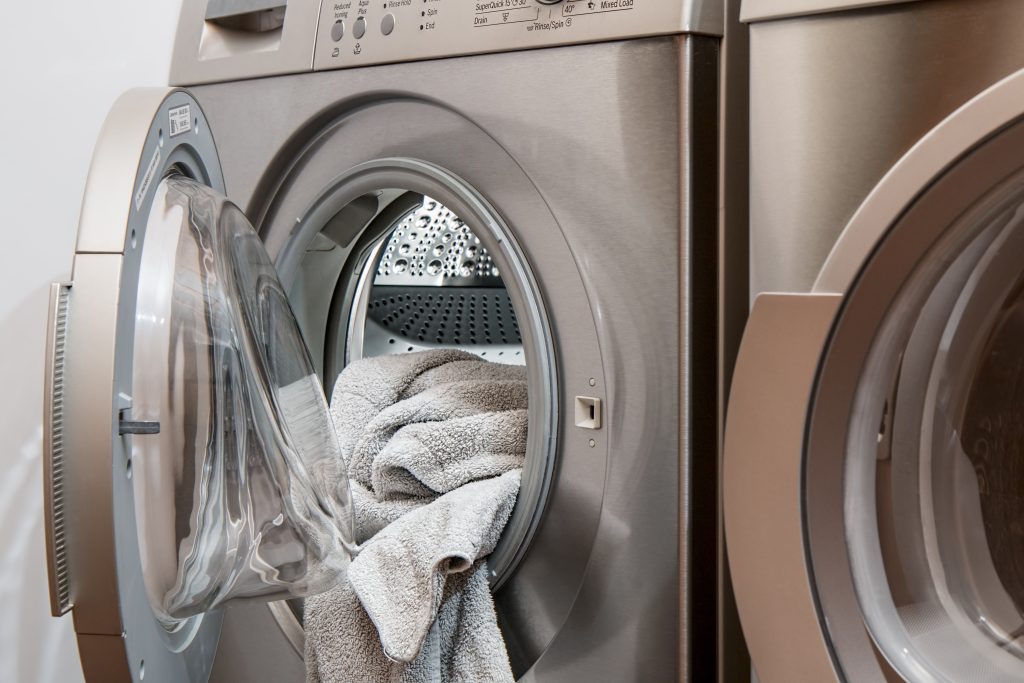
Hot water (check fabric instructions) kills dust mites and bacteria more effectively.
Dry Completely
Moisture encourages microbial growth. Dry on high heat when possible.
Choose the Right Detergent
Hypoallergenic detergents help reduce skin irritation.
Sunlight Helps
UV rays naturally disinfect and freshen fabrics.
The Bottom Line
Weekly washing is the ideal schedule for most people, backed by dermatologists and microbiologists alike.
But your personal habits—pets, sweat, allergies—may mean you need to wash even more frequently.
A clean bed isn’t just about comfort. It’s about health, sleep quality, and creating a space where your body can truly rest.
- Hector Pascua with references from theconversation.com/sciencealert.com/picture: pixabay.com



This post has already been read 19842 times!