 0
0
 0
0
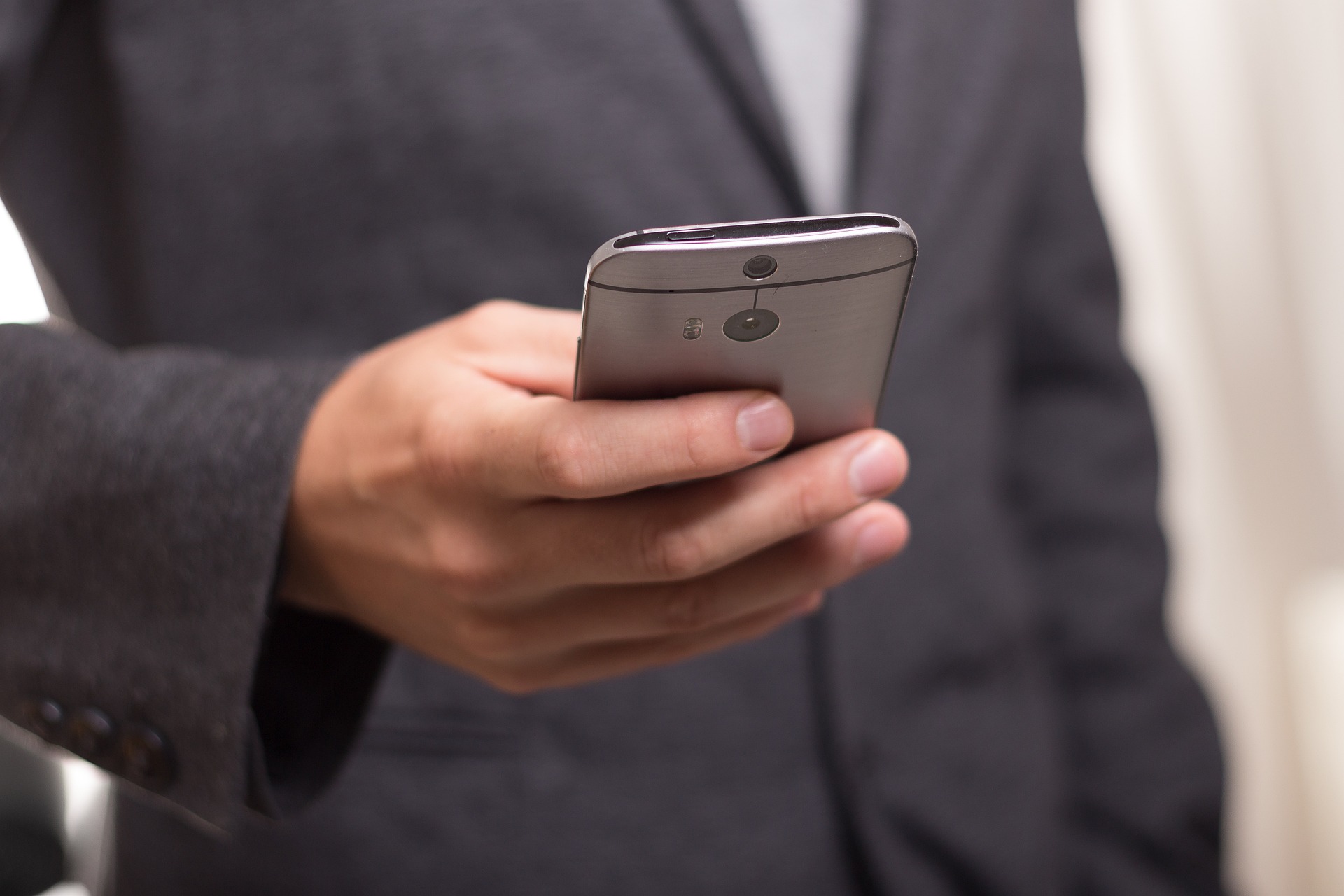
We carry them everywhere — in our pockets, our bags, even in our hands as we move from room to room. Smartphones have evolved far beyond simple communication devices; they’ve become constant digital companions. But why is it so difficult to set them aside, even for a moment?
The Fear of Missing Out
For many people, the idea of their phone dying while they’re out and about feels like a small nightmare. Not because they urgently need it, but because of the unsettling feeling of being disconnected. Scientists even have a name for this: FOMO — the “Fear of Missing Out.” It describes the anxiety that something important might happen while we’re offline.
This fear is understandable. Much of our social life now unfolds digitally. We rarely make phone calls, preferring emails or messages. We arrange meetups via WhatsApp, take photos with our phones instead of cameras, and upload them instantly to Instagram. The smartphone has become the hub of our social existence.
A Device That Distracts — Even When It’s Silent
Research from the University of Texas found that the mere presence of a smartphone can impair concentration — even if it’s turned off. Just having it nearby occupies mental space, subtly pulling our attention away from the task at hand.
The Rise of Digital Detoxing
Given this constant pull, it’s no surprise that digital detox retreats are booming. These vacations encourage adults to spend time without laptops or phones, offering a rare chance to fully disconnect. And that’s precisely the challenge: switching off has become harder than ever.
For many self-described “phone addicts,” going without their device feels like being naked. But you don’t need to give up technology entirely. Small, intentional habits can help loosen the grip.
Tips for Reducing Smartphone Dependence
Set Offline Hours
Designate times when your phone is on airplane mode or switched off. As a bonus, your battery will thank you.
Leave the House Without It
Ask yourself when you truly need your phone. For activities like going to the gym, meeting friends, or running errands, try leaving it at home. It’s a simple way to prove to yourself that you can manage without it.
Disable Notifications
Apps like Instagram bombard us with alerts. Turning off notifications reduces the urge to check your screen constantly.
Create Phone-Free Zones
Establish areas in your home — or entire rooms — where phones aren’t allowed. This helps break the habit of mindless scrolling.
Use Your Phone Intentionally
We don’t need to eliminate smartphone use entirely. The key is balance. Setting specific times for focused phone use can make it easier to ignore it the rest of the day.
The Benefits of Digital Unplugging
Ultimately, everyone must decide for themselves how dependent they want to be on their smartphone. But the advantages of taking breaks are clear.
Studies show that distancing yourself from your phone improves concentration and reduces stress. Without the constant pressure to check for updates, your mind can relax. You may find it easier to focus on what truly matters — whether that’s work, relationships, or simply enjoying a quiet moment.
So why not give it a try? Turning off your phone, even briefly, might be the most refreshing thing you do today.
- Hector Pascua/picvture: pixabay.com



This post has already been read 22191 times!