 0
0
 0
0
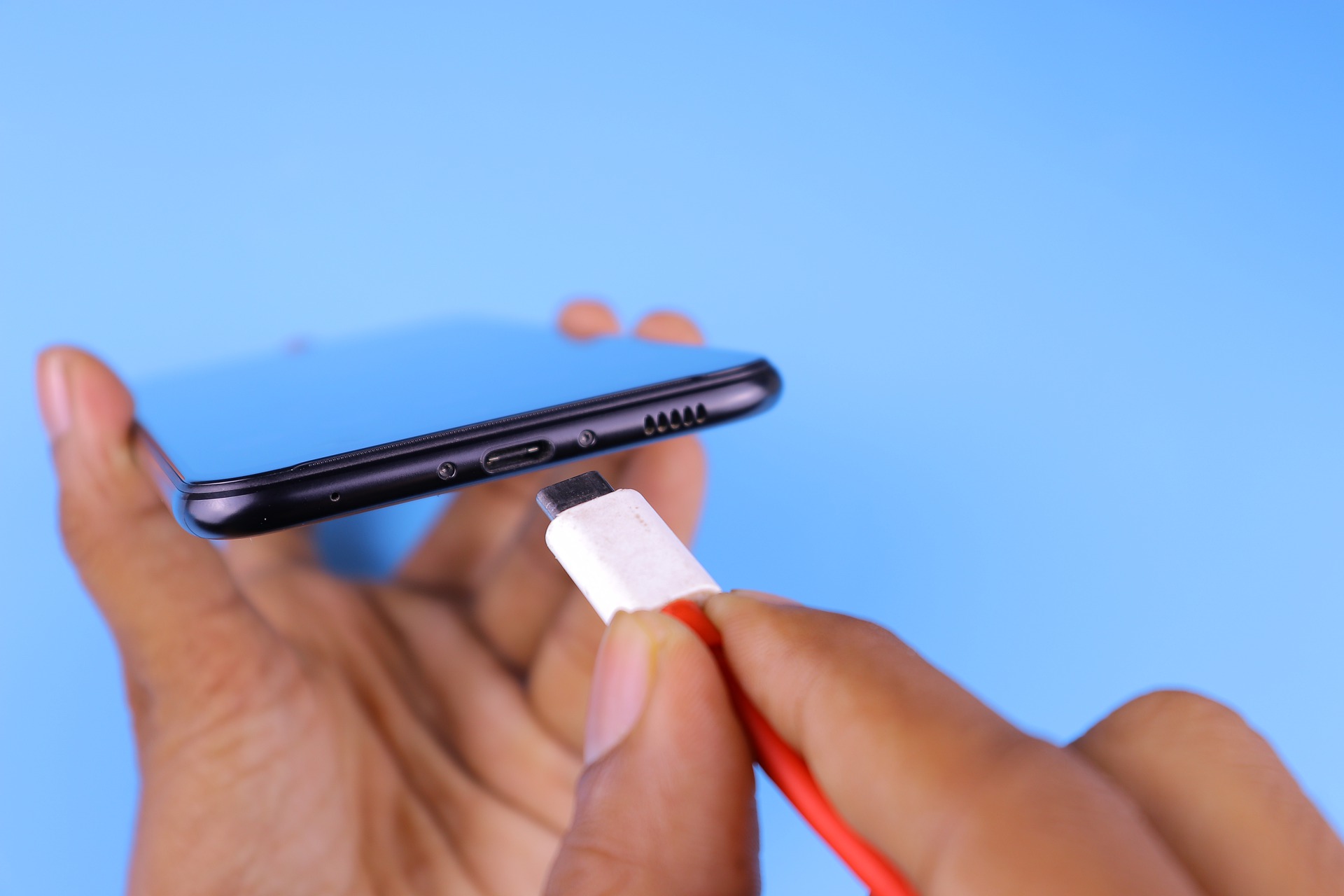
The phone is fully charged, you unplug it with a quick flick of the wrist—and rush on with your day. The charger, however, stays behind in the socket. It’s a tiny detail most of us overlook, but it raises a surprisingly common question: Does a charger still consume electricity even when no device is connected?
According to Michael Hartmann, Professor of Power Electronics at the Institute of Electrical Drives and Power Electronics at TU Graz, the answer is simple: yes—but only a very small amount.
Why Chargers Draw Power in the First Place
To understand why, it helps to look at what a charger actually does. “Chargers convert the alternating voltage from the power grid into an isolated, low, and therefore safe direct voltage, which mobile devices need to charge their batteries,” Hartmann explains.
This conversion requires sophisticated engineering. Chargers must be compact, safe, and efficient. “The necessary electrical isolation is provided by a transformer—once large and heavy, now surprisingly compact thanks to modern power electronics,” he adds.
What Happens When Nothing Is Charging?
So what happens when the phone is fully charged or the cable is simply dangling from the wall?
“When the battery is full or the phone is unplugged, the charger enters a kind of standby mode,” says Hartmann. “The output voltage remains active, and maintaining it requires a small amount of standby power.”
This “small amount” is typically tiny—fractions of a watt. For a single household, the impact is negligible. But globally, the story changes.
The Hidden Cost of Billions of Chargers
“Worldwide, billions of chargers are in use. Even the smallest continuous power consumption adds up to a significant energy demand,” Hartmann notes.
This cumulative effect has caught the attention of policymakers. The European Union has introduced strict limits to curb unnecessary energy waste.
- Since May 2025: Chargers in standby mode may consume no more than 0.5 watts.
- From 2027 onward: The limit drops to 0.3 watts.
Engineers have already pushed well below these thresholds. “Modern chargers can achieve standby consumption of 0.1 watts or even less,” says Hartmann.
A Tiny Action With a Big Impact
Still, even 0.1 watts is not zero. And as Hartmann emphasizes, “The most efficient energy is the energy that isn’t consumed in the first place.”
His advice is refreshingly simple: unplug the charger when you’re done.
A small gesture, repeated across millions of households, becomes a meaningful contribution to energy conservation.
- Hector Pascua with reference from kleinezeitung.at/picture: pixabay.com



This post has already been read 2189 times!