 0
0
 0
0
The clocks are about to shift once more. As every spring, most countries in Europe prepare to switch from winter time to summer time. And just like every year, the same questions pop up: Do we move the clocks forward or back—and when exactly does it happen?
Clocks Jump Forward: From 2 a.m. to 3 a.m.
The time change takes place in the night from Saturday, March 28, to Sunday, March 29. Technically the country’s standard time—will end, and summer time will begin. This means the clocks will be set forward by one hour, jumping directly from 2:00 a.m. to 3:00 a.m.
Will the Alarm Still Ring on Time?
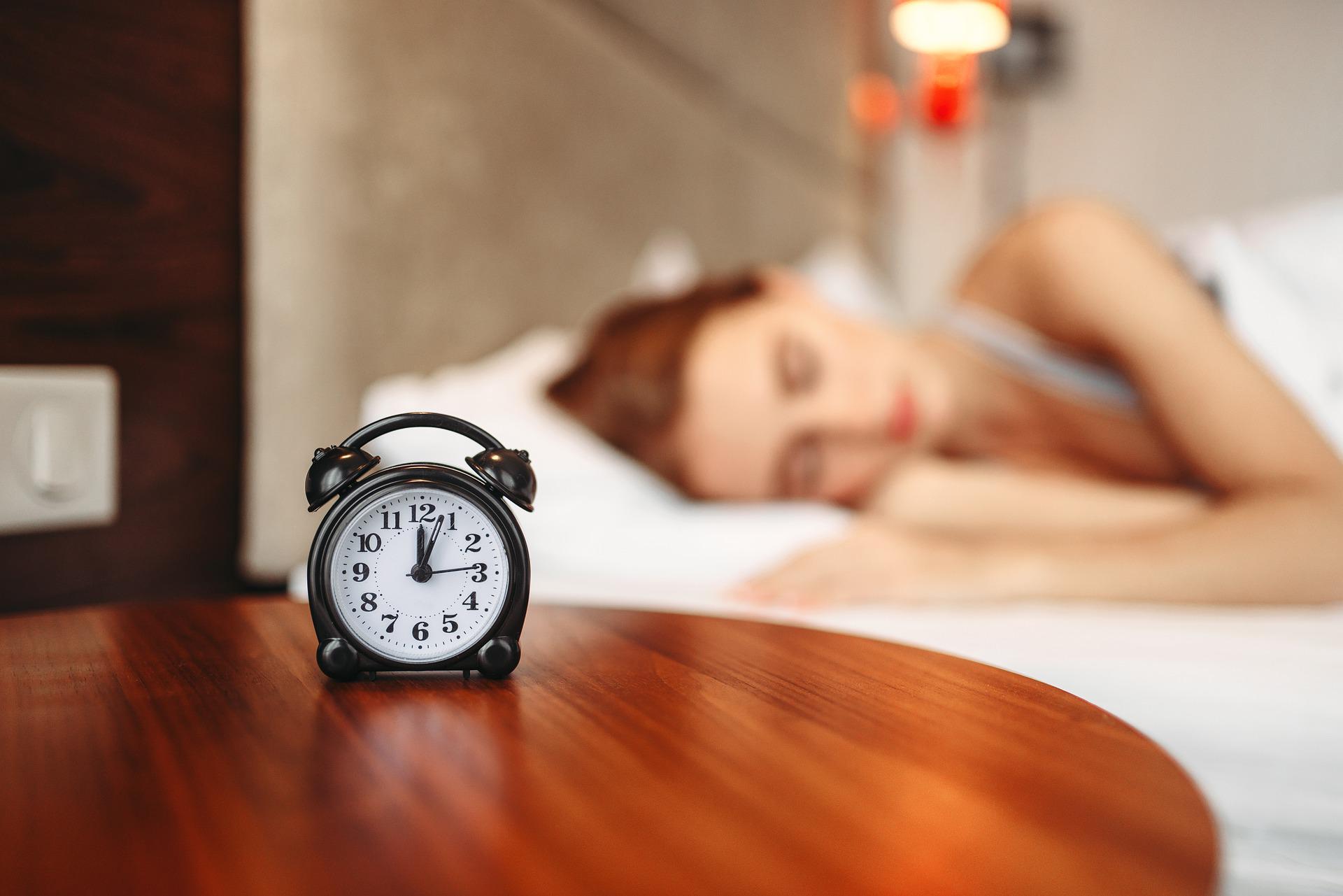
The last Sunday in March is always reserved for the first time change of the year. While many enjoy the longer evenings that follow, the downside is clear: one hour less sleep.
Fortunately, most people don’t need to worry about oversleeping. Smartphones, computers, and radio-controlled clocks adjust themselves automatically. Only those who rely on analog wristwatches or traditional wall clocks still need to make the change manually.
EU: Abolition Was Planned for 2021—But Nothing Happened
While the European Union continues to debate the future of daylight saving time, other countries have already moved on. Japan and Russia have abolished the time change entirely, and in the United States, discussions have been ongoing for years without a nationwide decision.
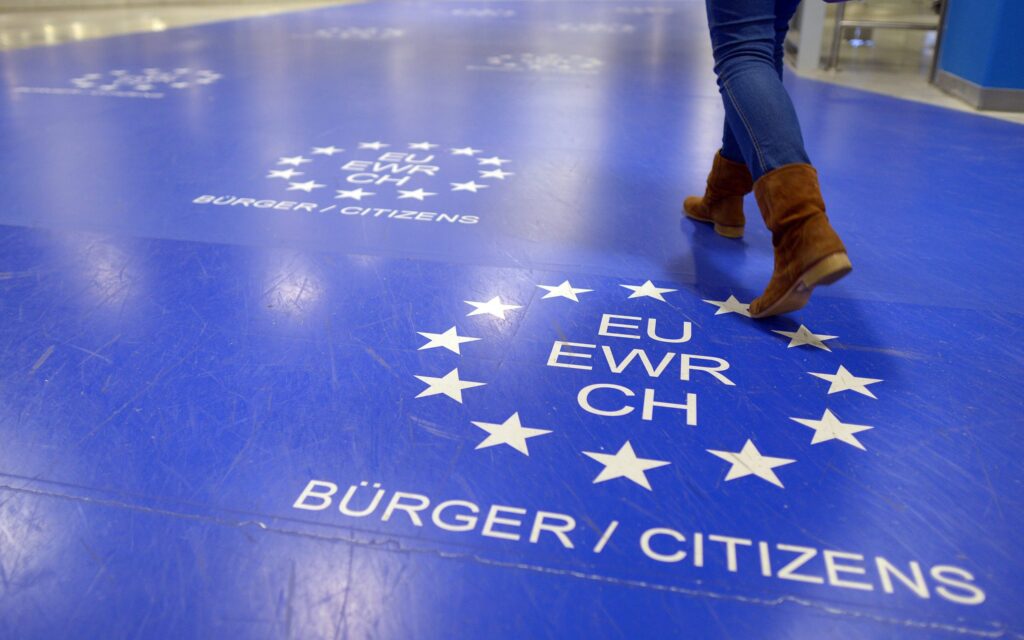
In Europe, the plan had originally been to end the biannual clock change in 2021. A public survey showed that many citizens wanted it gone. Yet the EU has been unable to agree on which time should remain permanently: summer time or winter time.
The debate splits into two camps. Supporters of summer time enjoy brighter evenings, while opponents argue that winter time aligns better with the body’s natural rhythm. Whether the time change will still exist in 2026 remains uncertain. Experts continue to call for a clear decision—but for now, the issue remains unresolved.
- source: thueringen24.de/picture: pixabay.com



This post has already been read 2023 times!