 0
0
 0
0
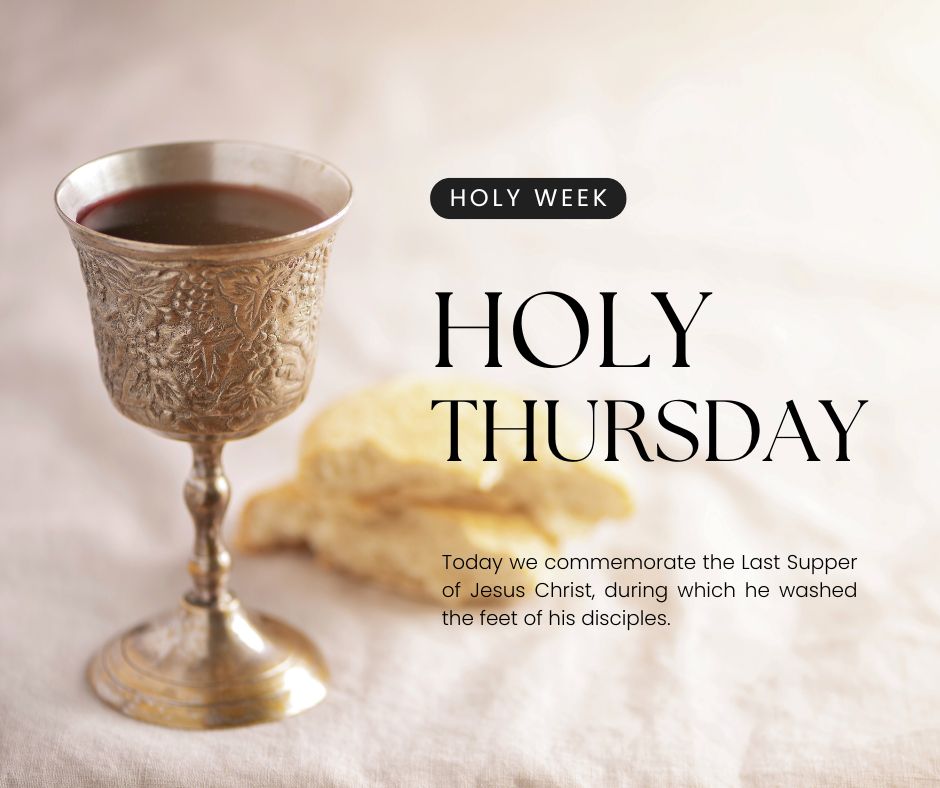
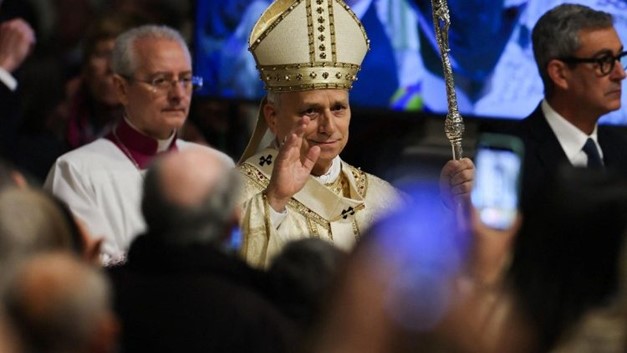
In a marked return to long‑standing Vatican tradition, Pope Leo XIV celebrated this year’s Holy Thursday Mass of the Lord’s Supper at the Archbasilica of St. John Lateran, the cathedral of the Bishop of Rome. The liturgy, which commemorates the institution of the Eucharist and the priesthood, included the washing of the feet of twelve priests — a practice that had been set aside under his predecessor.
For decades, popes washed the feet of clergy only. Pope Francis broke with that custom by including laypeople, often choosing prisoners, the sick, or people with disabilities. Since 2016, women and girls have also been permitted to take part in the ritual. By returning the gesture to twelve priests, Pope Leo signaled a revival of the pre‑2013 tradition.
A Liturgy Rooted in the Passion Narrative
Holy Thursday marks the beginning of the Easter Triduum, the three days in which Christians recall the suffering, death, and resurrection of Jesus. The readings from Paul’s First Letter to the Corinthians and the Gospel of John recount the final meal Jesus shared with his disciples before his arrest.
The Mass of the Lord’s Supper is not only a remembrance of the Eucharist’s institution but also a meditation on Christ’s humility — most vividly expressed in the washing of his disciples’ feet.
A Homily Focused on Love, Service, and the Nature of True Power
In his homily, Pope Leo emphasized the profound meaning of the Last Supper and the radical nature of Jesus’ love.
“The solemn liturgy of this evening allows us to enter into the Holy Three Days of the Lord’s passion, death, and resurrection… as guests at the supper where bread and wine become for us the sacrament of salvation,” he said. Christ’s love, he continued, becomes “gesture and nourishment for all” and reveals the justice of God even in a world scarred by violence.
The Pope reflected on the foot‑washing as a corrective to humanity’s distorted ideas of power. Too often, he said, people seek a God who serves their ambitions — a God “useful like money or power.” Jesus, by contrast, purifies not only the feet of his disciples but also humanity’s understanding of greatness.
“He cleanses our image of the human being who believes himself powerful when he dominates, who seeks victory by destroying his equal, who thinks himself great when he is feared.”
A Call to Follow Christ’s Example
Pope Leo described Christ as both true God and true man, offering a model of self‑giving love. Learning to love as Jesus loves, he said, is a lifelong task: “We need his example to learn how to love… to educate ourselves and one another toward true love.”
He urged the faithful to kneel — not in defeat, but in solidarity with those who suffer. True divine power, he said, is not triumph but service. “Before a humanity brought to its knees by many forms of brutality, let us also kneel as brothers and sisters of the oppressed.”
God’s love, he reminded the congregation, is not a reward for purity but a force that transforms: Christ “loves and cleanses us so that we may correspond to his love.” This love is expressed not only in the Eucharist but in acts of charity.
Holy Thursday as a Day of Brotherhood and Gratitude
As the Mass concluded, Pope Leo highlighted Holy Thursday’s significance as the day the Church commemorates the institution of the priesthood — a moment of fraternity and thanksgiving.
“Let us contemplate this gesture of Jesus in Eucharistic adoration this evening,” he said, inviting communities around the world to kneel as Christ did and to ask for the strength to follow him in loving service.
The Lateran Basilica, steeped in centuries of papal history, provided a fitting backdrop for a liturgy that blended tradition with a renewed call to humility — a reminder that the heart of Holy Thursday lies not in ceremony alone, but in the quiet, demanding work of loving one another.
- source: vaticannews.va./de/picture: @vaticanmedia


This post has already been read 131 times!