 0
0
 0
0
A summer trip turning into a liver infection — that is a scenario no traveler wants. Yet in many popular destinations, Hepatitis A and B viruses continue to circulate. A recent example comes from southern Italy, where authorities in Naples have reported an unusually high number of Hepatitis‑A cases since the start of the year. In response, the city has banned restaurants from serving raw seafood and advised residents to avoid it at home as well.
The situation raises a broader question: What should travelers know about Hepatitis A and B before heading abroad?
Hepatitis A: A Food‑ and Waterborne Risk
Hepatitis A spreads primarily through contaminated drinking water, bathing water, and food. According to the Robert Koch Institute (RKI), common sources include mussels, dates, dried tomatoes, and raw salads.
Symptoms often resemble the flu:
- Fever
- Nausea and vomiting
- Abdominal pain
- General malaise
A yellowing of the skin and eyes — the classic “travel jaundice” — may also occur. While most cases resolve without complications, liver damage can remain in rare instances.
Hepatitis B: Spread Through Body Fluids
Hepatitis B is transmitted through blood and other bodily fluids such as semen, vaginal secretions, or saliva. Shared items like razors, toothbrushes, syringes, or sex toys can also pose a risk.
The infection can cause similar flu‑like symptoms, but the danger lies in its potential to become chronic. Long‑term consequences include:
- Liver cirrhosis
- Liver cancer
Vaccination Options: Who Should Consider Hepatitis A or B Protection?
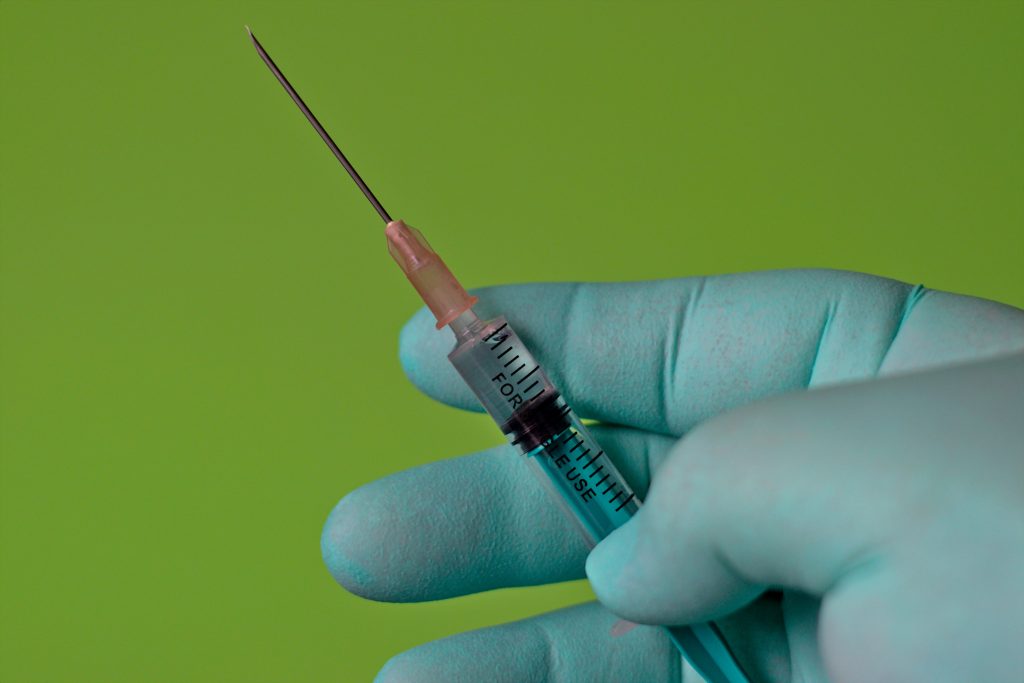
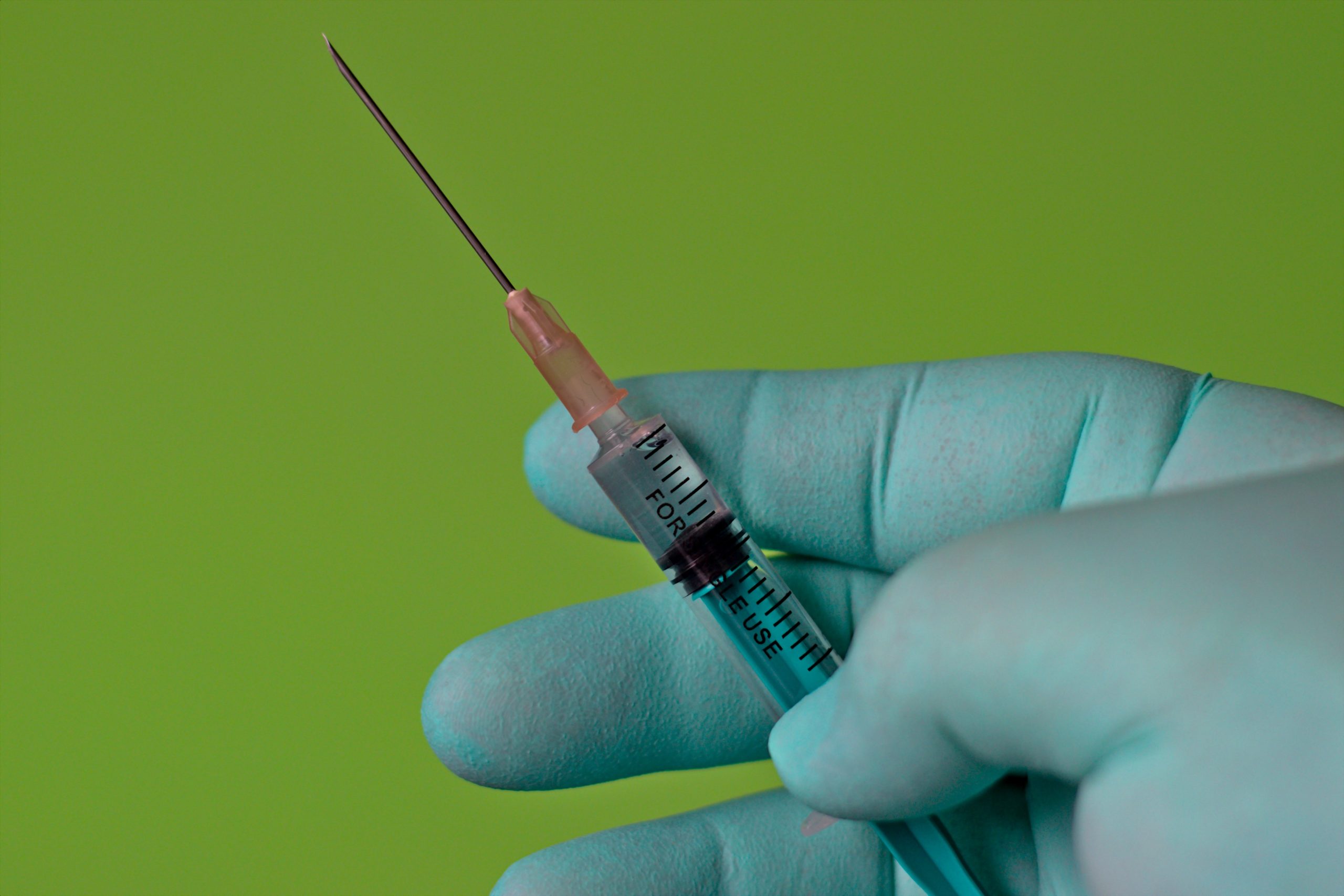
Vaccines offer highly effective protection. A travel medicine consultation helps determine which immunizations are appropriate. Ideally, vaccinations should begin six to eight weeks before departure.
Hepatitis A
Recommended for travel to:
- Central and South America
- Africa
- Asia
- Eastern Europe
The basic immunization consists of two doses, spaced six to twelve months apart. Good news for last‑minute travelers: Most people develop sufficient protection within two weeks after the first shot.
Hepatitis B
Recommended based on individual risk factors, such as:
- Trips longer than four weeks
- Planned medical procedures abroad
- Getting a tattoo or piercing while traveling
The basic schedule includes three doses over six months. Some people develop short‑term protection after one or two doses.
Combined vaccines that protect against both A and B are also available.
Additional Protection: Hygiene and Safe Practices
In regions where Hepatitis A is common, travelers should be especially careful with food and water hygiene. Experts advise consuming only thoroughly heated foods.
To reduce the risk of Hepatitis B transmission, barrier methods such as condoms and dental dams provide effective protection.
- source: APA/picture: pixabay.com



This post has already been read 226 times!