 0
0
 0
0
VIENNA — What began as a journey into the unknown in 1976 has become one of the most enduring and inspiring stories of migration, service, and cultural integration in Austria.
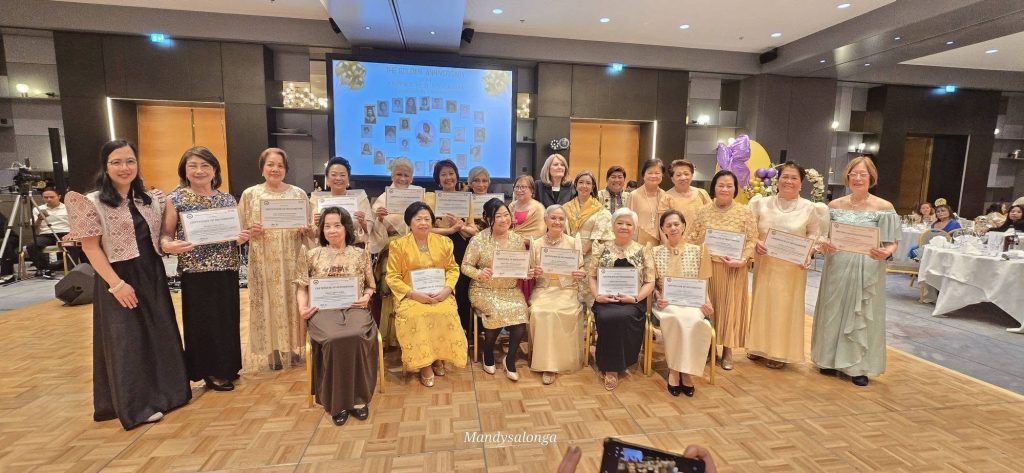
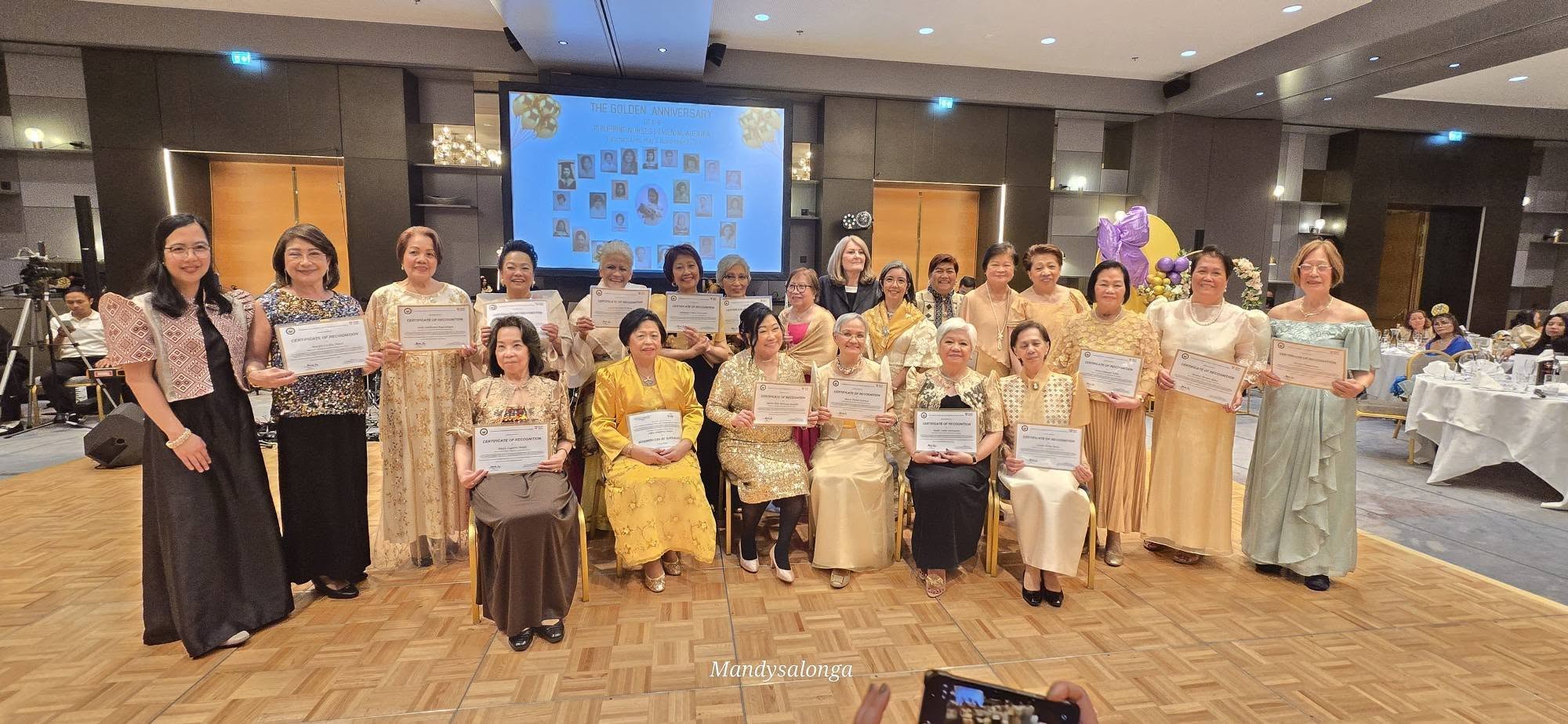
On May 16, 2026, a pioneering group of Filipino nurses who arrived in Vienna five decades ago gathered at the Vienna Marriott Hotel to celebrate their Golden Anniversary, marking 50 years since they first came to Austria to help address a growing shortage of healthcare workers.
The jubilee was more than a reunion. It was a tribute to sacrifice, resilience, and the lasting contribution of Filipino healthcare professionals to Austrian society.
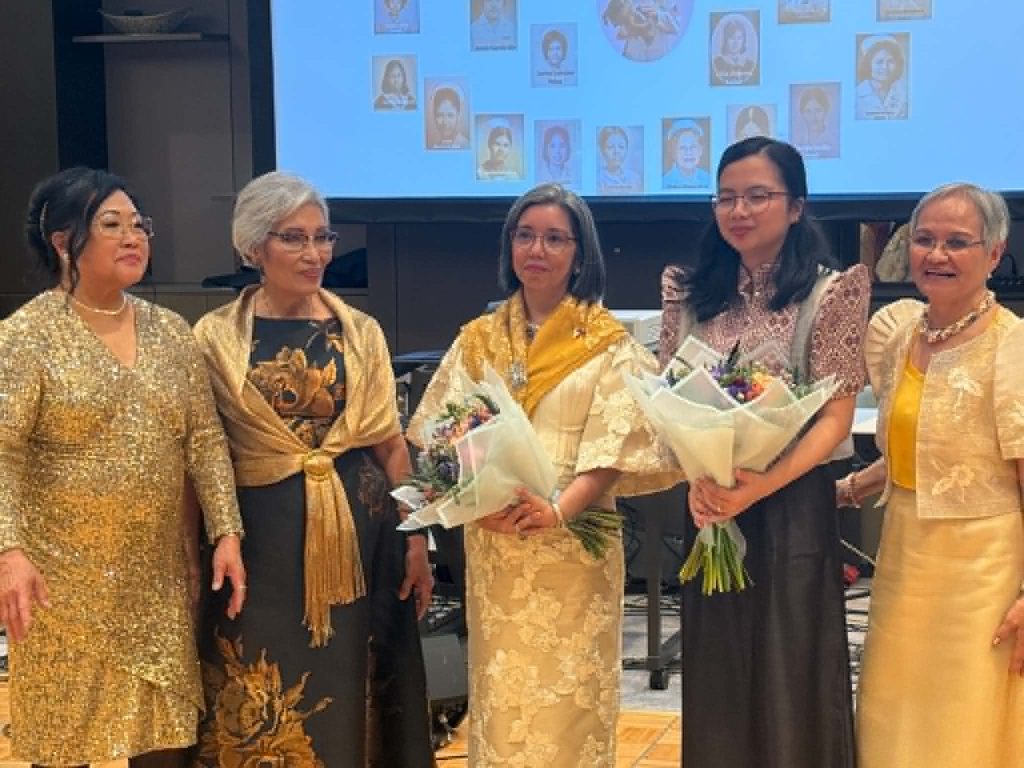
“Our Golden Anniversary is a milestone of our nursing profession, enduring and surpassing all the challenges of working in a foreign land with a foreign language — our gratitude to our homeland, the Philippines, and our second homeland, Austria,” said Mila Mahusay Ruzicka, the main organizer of the event.
Ruzicka thanked everyone who supported the celebration and reflected on the deeper meaning of the gathering.
“May this Golden Anniversary remind us of our beautiful life journey, of the timeless value of our nursing service — compassion and service,” she said.
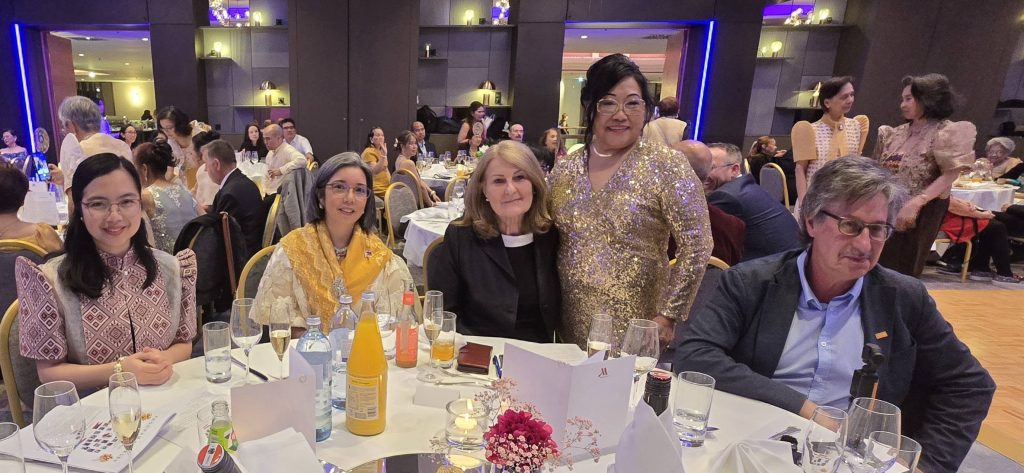
From Necessity to Legacy
The arrival of Filipino nurses in Austria during the 1970s was initially driven by practical needs. Austria needed skilled healthcare workers, and the Philippines had a strong pool of highly trained nurses ready to serve abroad.
Over time, however, the relationship evolved into something far greater.
Vienna Mayor Michael Ludwig acknowledged the historic role Filipino nurses have played in shaping the city’s healthcare system and multicultural identity.
“Back in the 1970s, when many qualified nurses from the Philippines came to Vienna, it was initially an idea born out of necessity — namely, the shortage of skilled healthcare workers,” Ludwig said in his message.
“Looking back today, one can truly say: thank God. Because not only did highly trained professionals arrive to provide care and support for the elderly and the sick, but also valuable people who became pillars of our community here in Vienna.”
The mayor emphasized that the impact of Filipino nurses extends far beyond hospitals and care facilities.
“Your impact reaches far beyond everyday nursing care: you have built bridges between cultures, helped shape Vienna’s social fabric, and given many people quality of life, dignity, and a sense of security,” he added.
Honoring Dedication and Humanity
Tributes also came from national leaders and members of the diplomatic community who praised the professionalism and compassion that have become hallmarks of Filipino caregivers in Austria.
Ulrike Königsberger-Ludwig, State Secretary at Austria’s Federal Ministry of Labour, Social Affairs, Health, Care and Consumer Protection, described the nurses’ migration story as a powerful example of international solidarity.
“With your decision to come to Austria, you set a strong example of lived international solidarity — I thank you for your dedication and commitment, and I warmly congratulate you,” she said.
Philippine Ambassador to Austria Evangelina Lourdes A. Bernas also paid tribute to the Batch 1976 pioneers, recognizing the image they helped build for Filipinos abroad.
“In your professional nursing career since 1976, you have embodied only the highest standards of care, earning the respect and admiration of patients, colleagues, and the communities where you built your home,” Ambassador Bernas said.
“You helped shape a powerful and positive image of the Filipino as competent, dedicated, and compassionate, and became indispensable members of Austrian society.”
Member of Parliament Luise Däger-Gregory, herself a former intensive care nurse, spoke emotionally about the profession’s demands and the enduring role of Filipino nurses in Austria’s healthcare sector.
“As a former intensive care nurse, I know from personal experience how much dedication, responsibility, and — most importantly — humanity this profession requires,” she said.
“For decades, Filipino nurses and caregivers have made an invaluable contribution to the Austrian healthcare system. With great commitment, professionalism, and a great deal of heart, they have cared for and supported generations of patients.”
She added that the golden jubilee was not only a celebration but also “a moment of recognition and gratitude.”
A Celebration of Filipino Culture
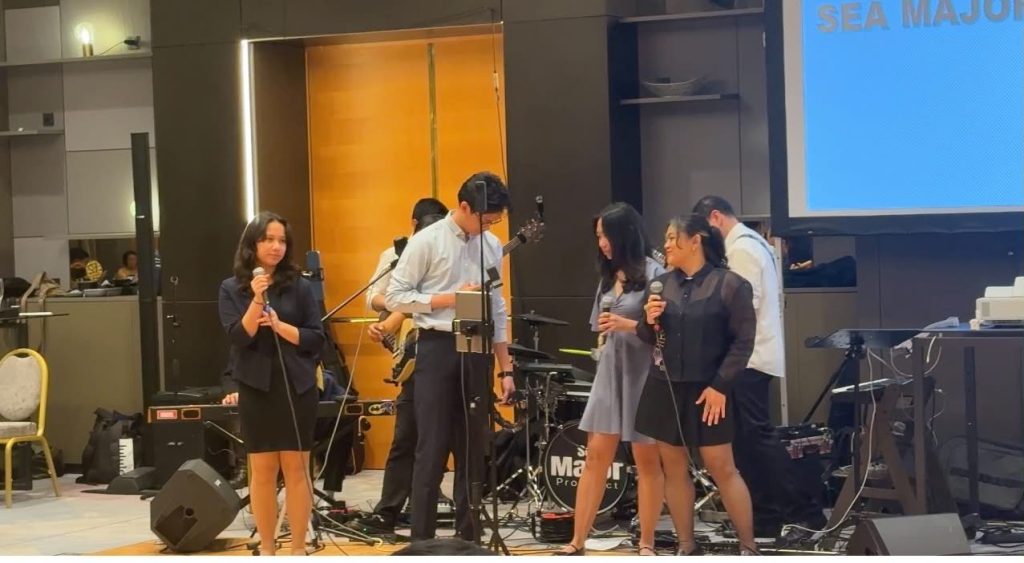
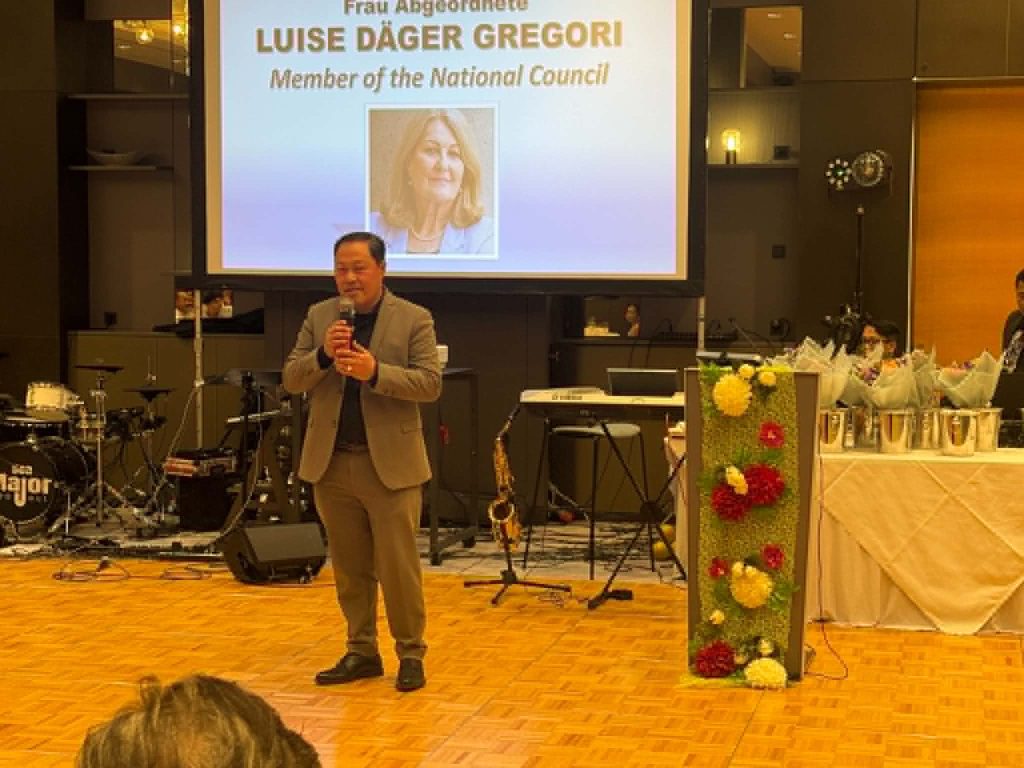
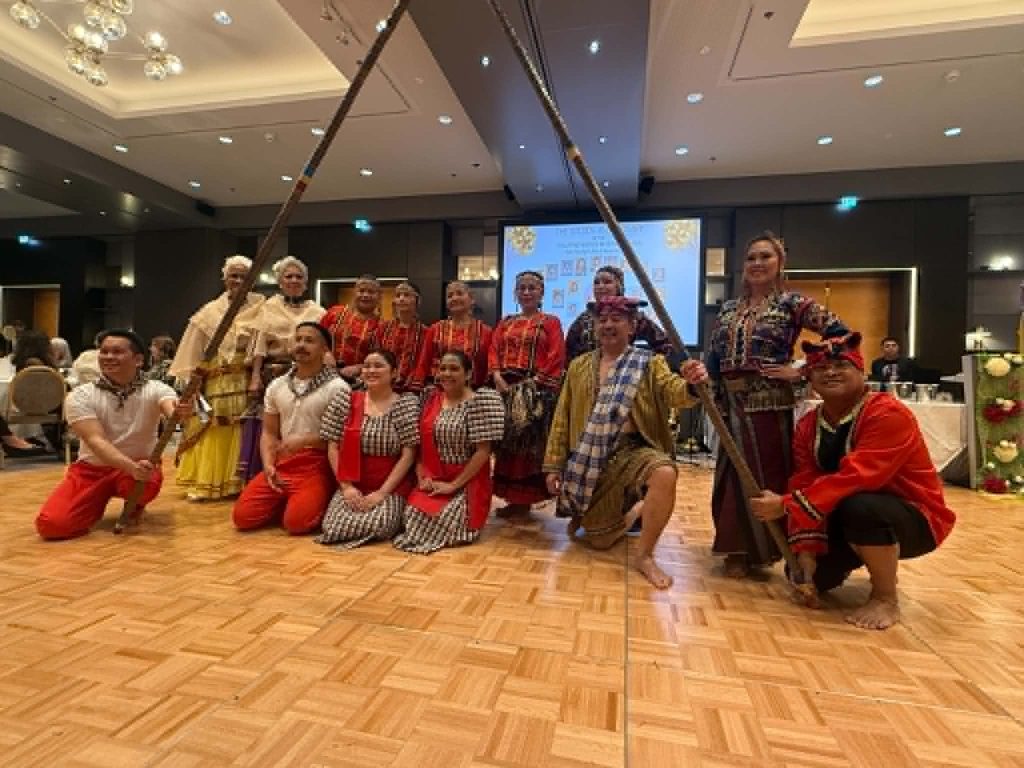
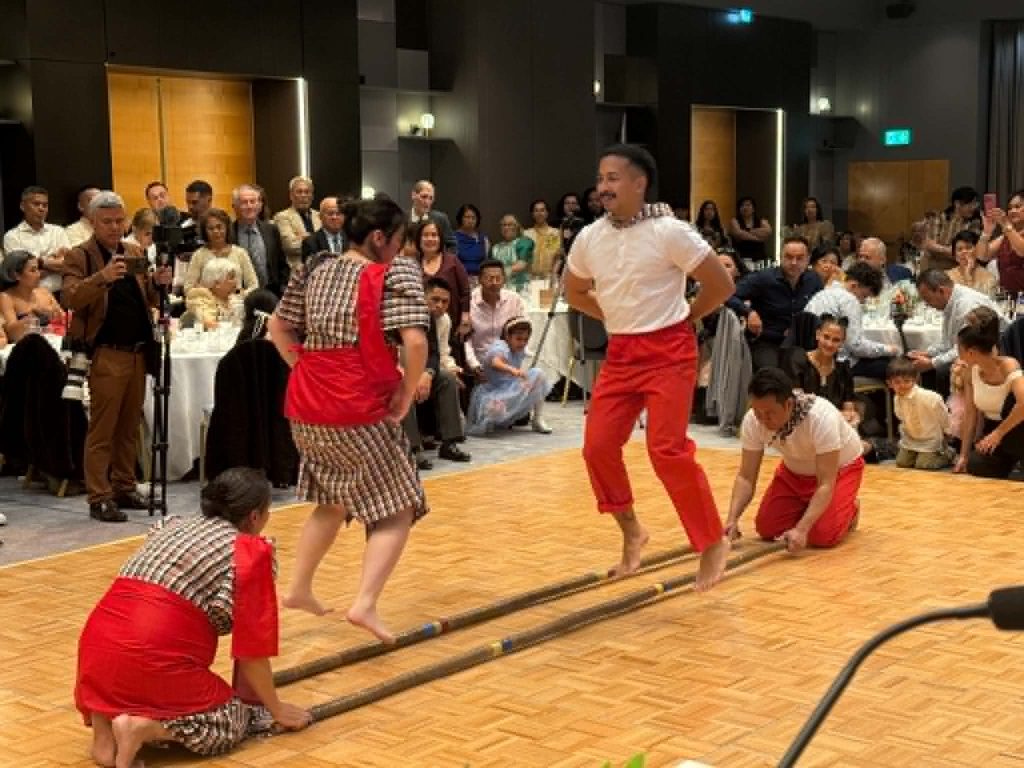
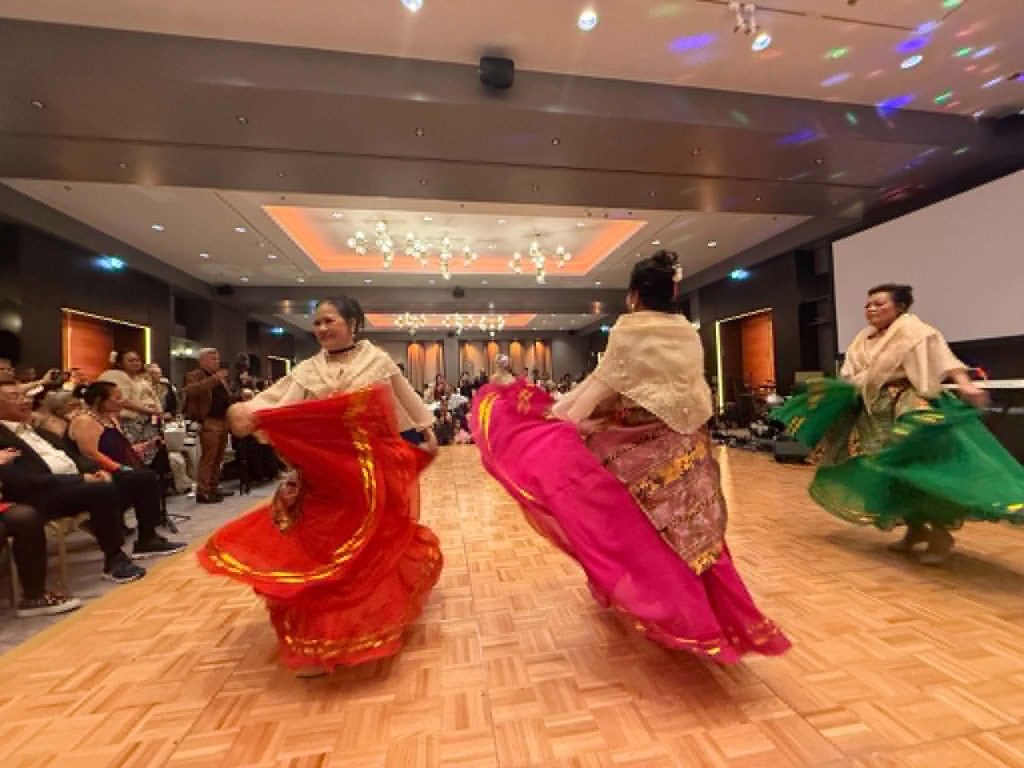
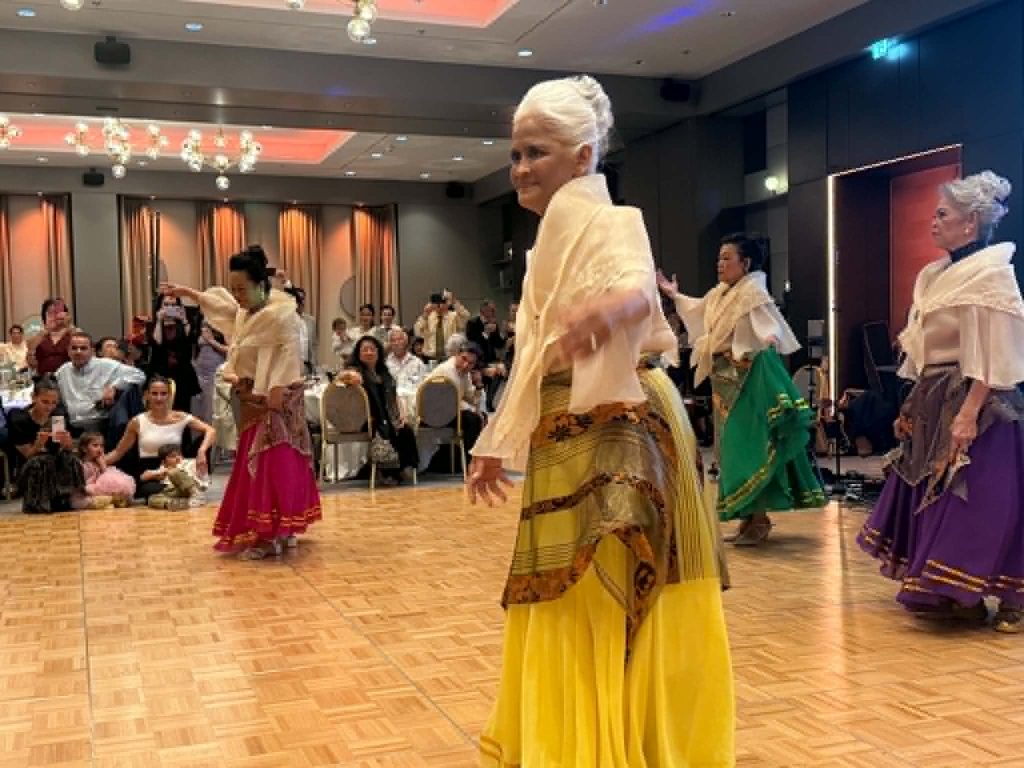
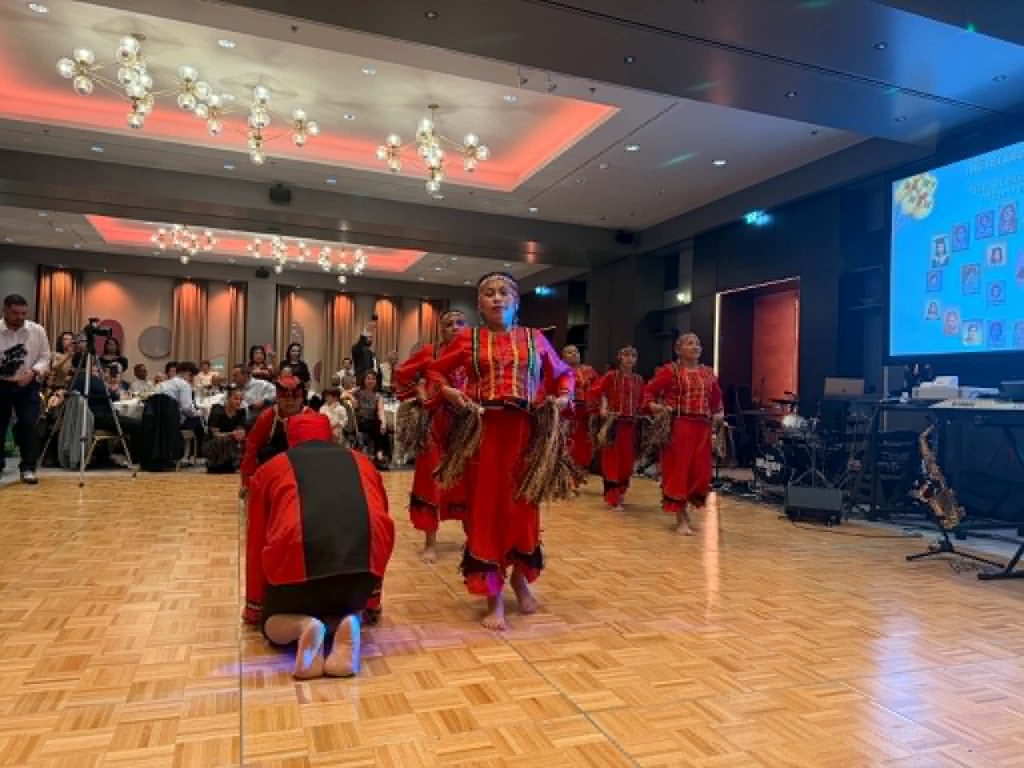
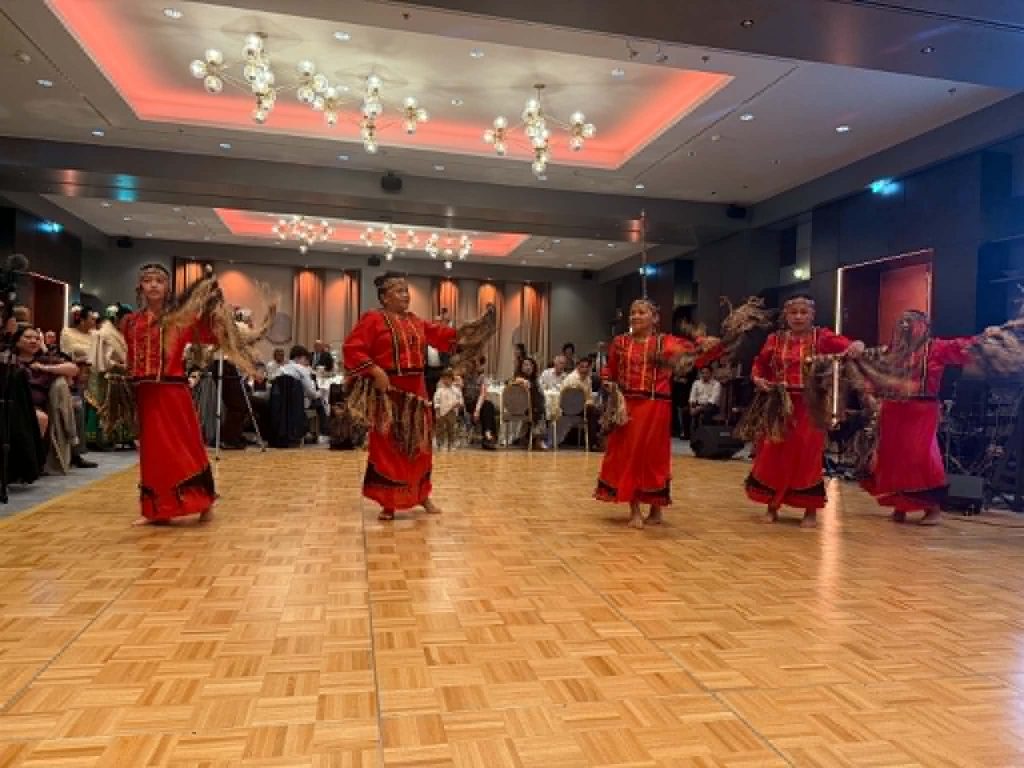
The evening also became a showcase of Filipino culture and community spirit.
Certificates of Recognition were presented to honorees who have dedicated much of their lives to healthcare service in Austria.
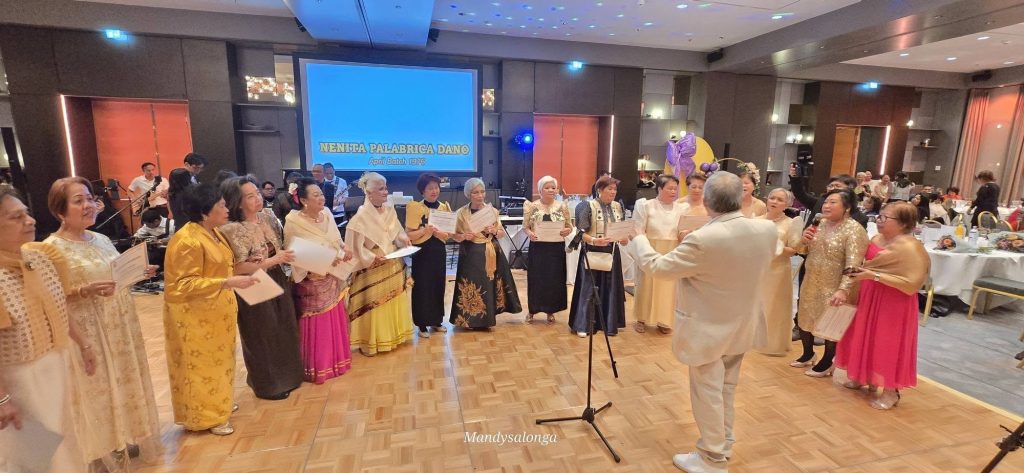
Guests were treated to live music by the young band Sea Major Project and performances by the singing priest Fr. Mars Sahulga. Traditional Filipino dances added color and energy to the celebration, highlighting the rich cultural heritage the Filipino community has brought to Austria over the past 50 years.
Among the featured performances were the Suban Dance presented by Kapunungan sa mga Bisaya sa Austria, the Habanera de Jovencita performed by the Diamond Ladies, the Tiboli Dance by Wilson Tanho, Evelyn Danzer, and Anastacia Waitzbauer, and the iconic Tinikling Dance presented by the KBA Dancers.
For many attendees, the event was both nostalgic and affirming — a reminder of how far they had come since leaving the Philippines decades ago with little more than courage, skill, and hope.
Fifty years later, their story is firmly woven into Austria’s healthcare history and into the broader story of the Filipino diaspora: one defined by hard work, compassion, and an unwavering commitment to care.
- Hector Pascua/pictures: Mandy Salonga


This post has already been read 2 times!