 0
0
 0
0
Austria is heading into the summer season with a painful new reality: travel, heating, and even everyday groceries are becoming significantly more expensive. A fresh analysis of price developments between February and April 2026 shows how sharply the Iran conflict is rippling through global energy and transport markets — and ultimately hitting Austrian households.
Flight Prices Up by Nearly 40 Percent
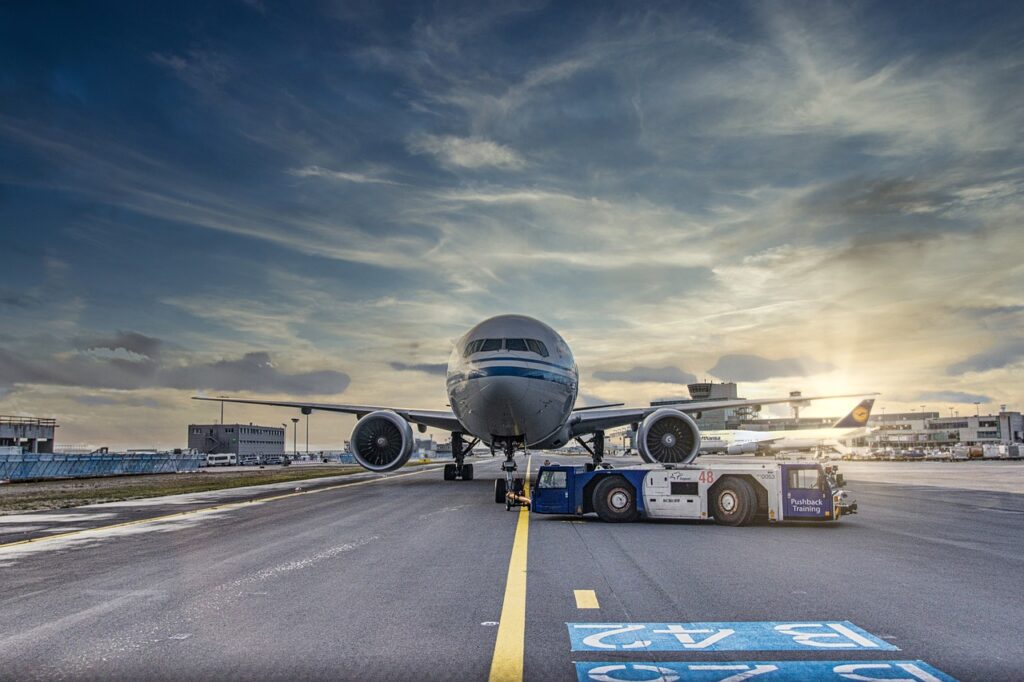
The most dramatic shock affects anyone planning a summer getaway. According to the latest data from Statistik Austria, international flight tickets rose by 19.2 percent, while city flights skyrocketed by 39.6 percent. For travelers who postponed booking, the price jump is now unavoidable.
Even domestic travel options are affected:
- Bus excursions became 13.6 percent more expensive.
- Bus package tours abroad rose by 14.1 percent.
Interestingly, flight package holidays became 11.7 percent cheaper, and overnight stays abroad dropped by 20.3 percent — a rare relief in an otherwise inflation-heavy landscape.
Energy Costs Surge: Heating Oil Up 60 Percent
The Iran conflict’s impact on global oil markets is unmistakable. In Austria, heating oil prices exploded by 60.8 percent within weeks — the steepest increase across all categories.
Motorists are feeling the pressure as well:
- Diesel: +36.4%
- Super petrol: +18.0%
- Mineral oil products overall: +31.9%
Not all energy sectors are affected equally.
- Gas: +3.5%
- District heating: –0.3%
- Electricity: –3.8%
These numbers show that oil-dependent sectors are absorbing the brunt of the geopolitical shock.
Food Prices: Citrus Fruits and Melons Lead the Increase
Overall food inflation remains modest at +0.4 percent, but individual products tell a different story.
Sharp increases include:
- Oranges: +19.6%
- Mandarins: +15.1%
- Lemons: +7.2%
- Citrus fruits overall: +13.9%
- Sugar and honey melons: +19.7%
Fish products also saw notable jumps:
- Fresh or frozen fish: +5.1%
- Cod fillet: +10.3%
- Fish sticks: +6.2%
These increases reflect longer supply chains, cooling requirements, and rising transport costs — all of which are sensitive to global energy prices.
A Global Conflict Felt at the Local Checkout
While not every price increase can be directly attributed to the Iran conflict, the pattern is clear: expensive energy leads to expensive transport, which leads to expensive goods. The war may be geographically distant, but its economic consequences are already embedded in Austria’s daily life — from heating bills to holiday plans.
- source: heute.at/picture: pixabay.com



This post has already been read 6 times!