 0
0
 0
0
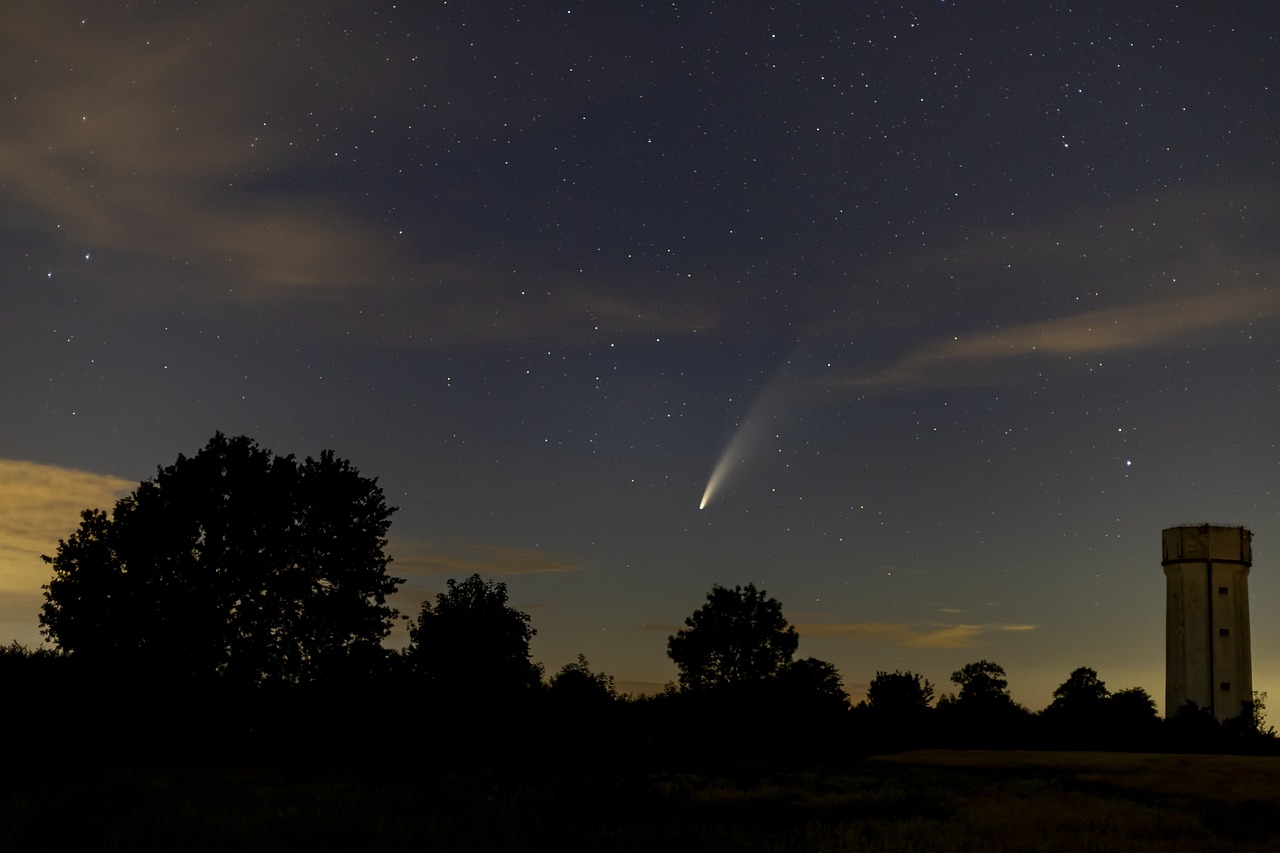
The Quadrantids will bring a spectacular fireworks display of shooting stars this weekend. Up to 120 meteors per hour are possible in the night sky.
Weather permitting, a spectacular view of the sky awaits us tonight: the Quadrantids are one of the most impressive meteor showers of the year and, under ideal conditions, can deliver more than 100 shooting stars per hour.
They are characterized by their particularly bright fireballs – a short but intense natural spectacle.
For a long time, the origin of the Quadrantids was a mystery. It was not until 2003 that astronomer Peter Jenniskens identified the asteroid 2003 EH1 as their parent body. This may be related to comet C/1490 Y1, which was documented by Chinese, Japanese, and Korean astronomers around 500 years ago.
If this connection is confirmed, the Quadrantids would be one of the few major meteor showers, alongside the Geminids, that originate from an asteroid rather than a comet.
The so-called radiant, i.e., the point in the sky from which the shooting stars appear to originate, is located near the handle star of the Big Dipper, at the edge of the constellation Bootes, also known as the Bear Keeper.
The fine dust particles burn up at an altitude of about 90 kilometers above the Earth.
The Quadrantids reach their peak at different times each year – and this is usually only of short duration. At its peak, up to 120 meteors per hour can be observed.
The strongest moment is expected on Saturday evening around 10 p.m., but at this time the radiant is still very low above the horizon. In addition, the full moon will make visibility more difficult. Only after midnight will the point of origin rise higher, significantly improving the chances of seeing shooting stars.
If you want to try your luck, you should look up especially in the hours before sunrise on Sunday (January 4). Although the activity will then usually decrease to about 60 meteors per hour, individual particularly bright appearances are possible. The right observation location is crucial: as dark as possible, far away from artificial light sources, ideally in the countryside or in the mountains.
“Go to a place with little light. Give your eyes 15-20 minutes to adjust to the darkness. Make sure you have a clear view upwards and in the direction of the radiant,” advise the experts at the “Timeanddate” website.
- source: heute.at/picture: pixabay.com



This post has already been read 10829 times!