 0
0
 0
0
Austria’s sharp drop in temperatures appears to be easing after two weeks of intense cold that followed an unusually mild December. While icy roads continue to pose risks and both rail and air travel remain disrupted as of Tuesday, meteorologists emphasize that the current conditions do not qualify as a record-breaking cold wave.
Konstantin Brandes, meteorologist at the weather service Ubimet, notes that such cold spells were far more common in past decades. “In the 1970s and 1980s, cold waves like this were routine,” he explains. The past four Januaries, however, were significantly warmer, making this winter’s return to harsher temperatures feel more striking.
No Record Cold, but Notable Lows
The lowest temperature of this winter was recorded early Monday at the Liebenau-Gugu station, where the thermometer dropped to −29°C. Austria’s all-time low in an inhabited area remains the −36.6°C measured in Zwettl on 11 February 1929.
Brandes stresses that such temperatures are not unusual for the heart of winter. January is typically the coldest month of the year, and historical data shows that even cities like Klagenfurt once experienced lows of −28°C. “That was ages ago,” he adds.
Comparable conditions were last seen in January 2017, when temperatures across Austria averaged about 3°C below the climatological norm. At that time, the Tyrolean municipality of Tannheim recorded −26.4°C.
Icy Roads Until Midday
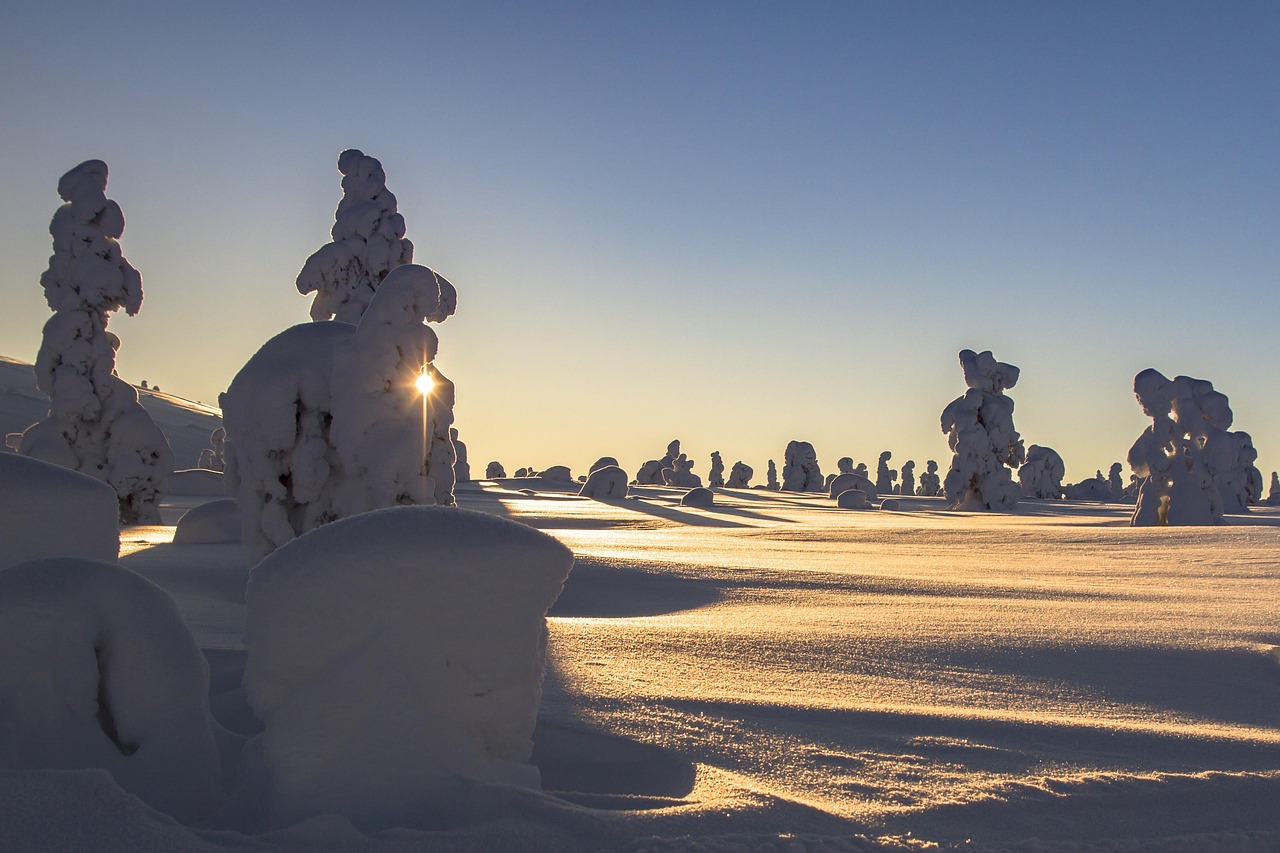
The current cold spell is linked to frigid air masses originating in northern Scandinavia, particularly Finnish Lapland, where temperatures recently reached −40°C. Although the air has warmed slightly on its journey south, it still arrives in Austria bitterly cold.
Icy conditions are expected to persist through the morning hours. Authorities warn of continued danger in Upper Austria, the Waldviertel, northern Burgenland, the Weinviertel, and Vienna. A gradual improvement is forecast around midday.
Is the Cold Wave Ending?
As long as snow remains on the ground, sunlight struggles to warm the surface, prolonging the risk of ice. Still, climatologist Alexander Orlik of GeoSphere Austria offers cautious reassurance: “The cold wave is over, temperatures are rising again.” In Vienna, the risk of icy roads should diminish by around noon.
Throughout the day, temperatures are expected to climb, allowing the ground to thaw. Thursday and Friday should bring sunnier conditions, with no new ice formation anticipated.
Outlook for the Coming Days
Over the next ten days, temperatures are forecast to rise steadily, with noticeably milder daytime conditions. Highs of up to 10°C are possible.
Saturday’s temperatures are expected to range from 0°C to 8°C nationwide. In Vienna, the weekend will likely bring values between 1°C and 3°C. The following week should see less fog, and Monday, 19 January, is projected to start dry with around 2°C.
- source: kurier.at/picture:



This post has already been read 27 times!