 0
0
 0
0
Astronomers have identified a planet strikingly similar to Earth, raising hopes for future discoveries about life beyond our solar system.
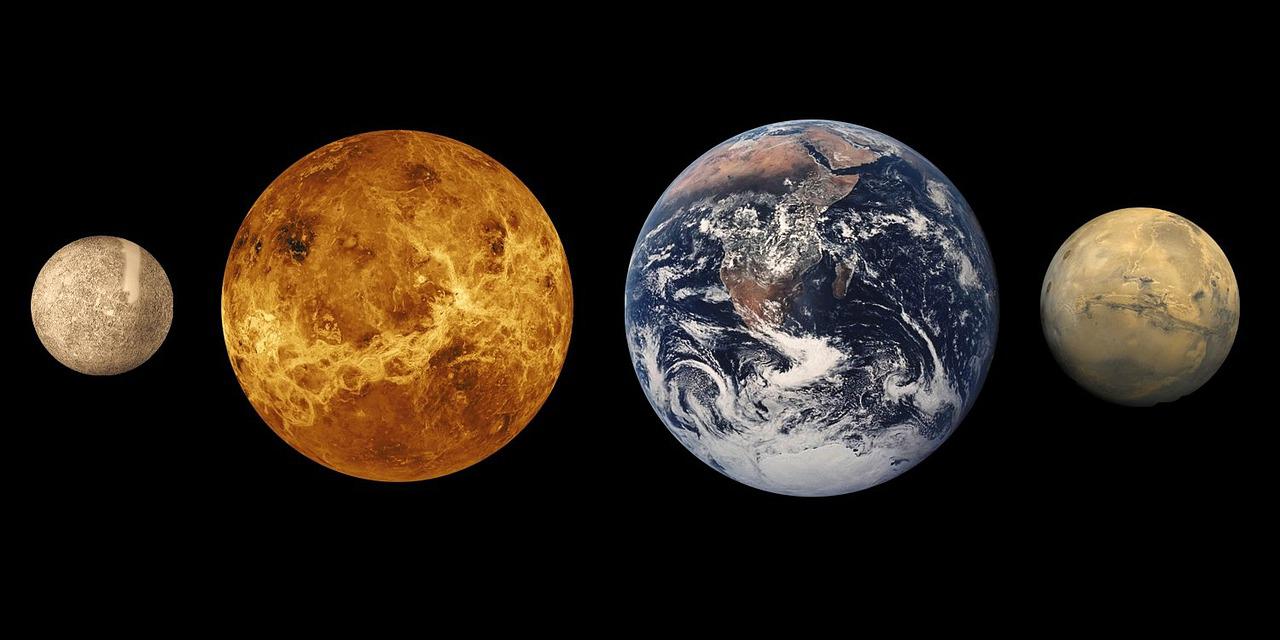
Researchers announced the detection of HD 137010 b, a planet whose characteristics resemble our home world more closely than many previously known celestial bodies. With a diameter only about six percent larger than Earth’s and an orbital period of 355 days, the planet’s year is almost identical to ours.
A Cooler Star, a Habitable Zone
HD 137010 b orbits a star that is roughly 1,000 degrees cooler than the Sun, placing the planet at the outer edge of the so-called “habitable zone.” Despite this cooler environment, scientists believe conditions could still allow for liquid water. A denser atmosphere rich in carbon dioxide might even create milder temperatures than those found on Mars.
Searching for Signs of Life
One of the most intriguing aspects of HD 137010 b is its relative proximity. At 146 light-years away, it is considered close enough for astronomers to study its atmosphere in detail with upcoming telescopes. Researchers hope to detect oxygen or methane, chemical signatures that could point to biological activity.
A Distant Dream
For humanity, however, the planet remains a theoretical destination. Even with a hypothetical spacecraft traveling at one-tenth the speed of light, the journey would take about 1,460 years. Current propulsion technologies are far from achieving such speeds, making interstellar travel to HD 137010 b a vision of the distant future.
Outlook
While unreachable for now, HD 137010 b offers scientists a tantalizing opportunity to deepen our understanding of planetary systems and the potential for life elsewhere in the universe. The discovery underscores how much remains to be explored—and how each new “second Earth” brings us closer to answering the age-old question: Are we alone?
- source: oe24.at/picture: pixabay.com



This post has already been read 14014 times!