 0
0
 0
0
In Austria, the weeks leading up to Ash Wednesday—known as Fasching or Carnival season—are marked by color, costumes, and, above all, Krapfen. These golden, pillowy doughnuts have been part of Austrian pre‑Lenten customs for centuries, offering a final moment of indulgence before the fasting period begins. Krapfen have been associated with Carnival since at least the 17th century, when they became a symbolic treat for feasting before the austerity of Lent.
Deep Roots in Austrian Food Culture
The history of the Krapfen reaches even further back. Records show that a pastry called krapfo was already known in Vienna in the 9th century, and by the Middle Ages, round, fried Krapfen were being produced commercially in urban “Schmalzkochereien”—shops specializing in cooking with fat. This connection to fat is no coincidence: before Lent, people traditionally used up rich ingredients like lard, butter, and sugar, making Krapfen the perfect festive food.
What Makes a Faschingskrapfen?
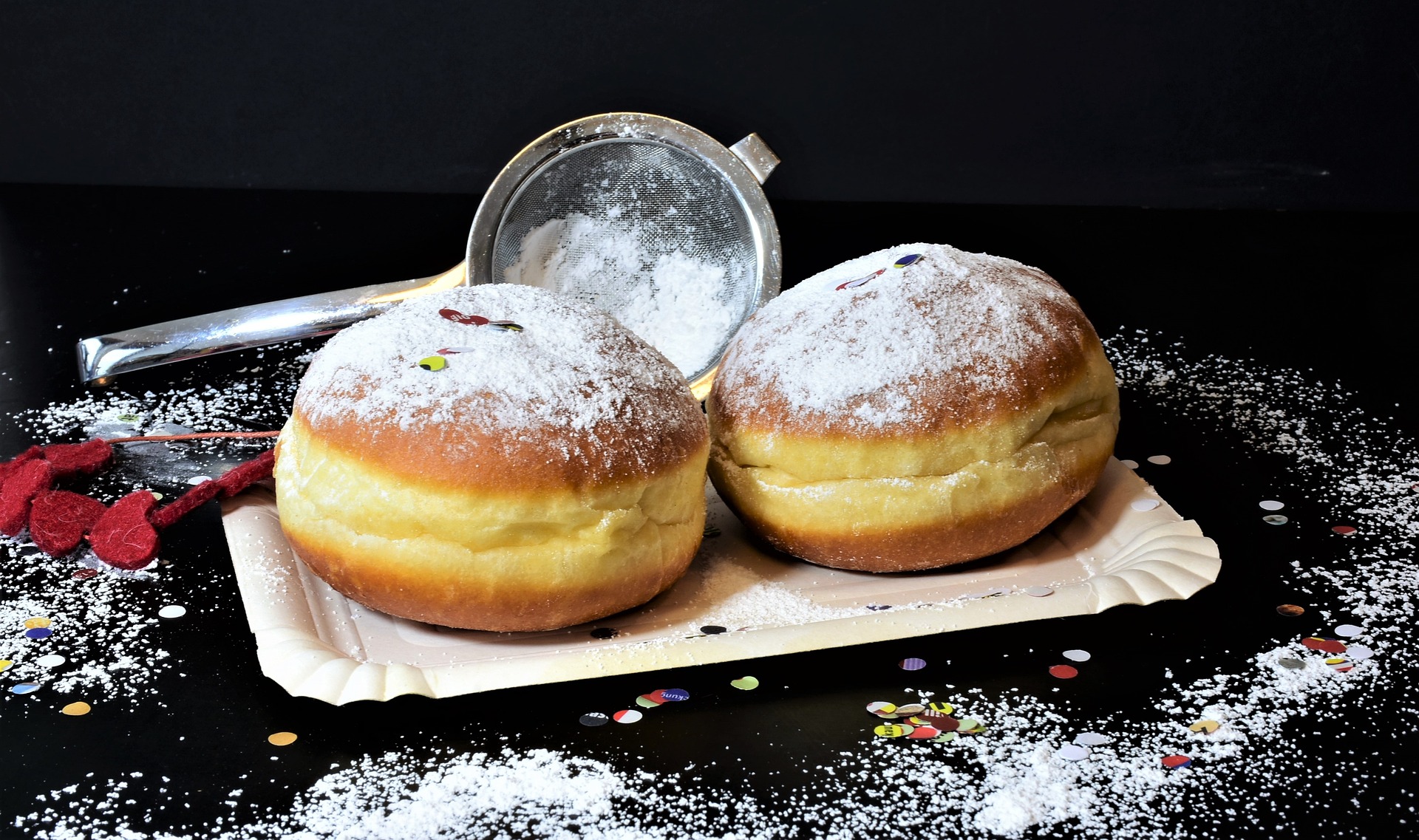
The classic Austrian Faschingskrapfen is a round, yeast‑based pastry fried to a delicate golden brown. Its signature features include:
- A soft, airy dough made from yeast, milk, butter, and eggs
- A generous filling of apricot jam, injected after frying
- A dusting of powdered sugar that completes its iconic look. This traditional version remains the most beloved, though modern variations—filled with vanilla cream, chocolate, or even liqueur—have become popular in recent years.
A Carnival Essential
During Fasching, which runs from late January to February 18 in Austria, Krapfen become ubiquitous. Bakeries produce them by the thousands, supermarkets stack them in pyramids, and workplaces often treat employees to boxes of the sugary pastries. Their popularity is rooted not only in taste but also in symbolism: Krapfen represent joy, abundance, and the communal spirit of Carnival. Historically, they were a rare luxury, made only for special occasions when precious ingredients like sugar and fat were used sparingly.
The Last Bite Before Lent
Ash Wednesday marks the beginning of Lent, a period traditionally associated with fasting and simplicity. Eating Krapfen in the days before is therefore both a celebration and a farewell—a final sweet moment before the reflective season begins. This rhythm of indulgence followed by restraint has shaped Austrian culinary customs for generations, making the Krapfen not just a treat but a cultural touchstone.
More Than a Pastry
Today, the Krapfen remains a cherished symbol of Austrian identity. Whether enjoyed at a bustling Viennese bakery, shared at a family gathering, or savored during a Carnival parade, each Krapfen carries with it centuries of tradition. It’s a reminder that food is not only nourishment but also memory, celebration, and community.
- Hector Pascua/picture: pixabay.com



This post has already been read 13963 times!