 0
0
 0
0
A new scientific analysis suggests that Europe could face a significantly higher risk from the Chikungunya virus in the coming years, as global case numbers continue to rise. According to research published in the Royal Society’s journal Interface, the virus is capable of spreading at lower temperatures than previously assumed—making transmission in much of Europe more likely.
Lower Temperatures Enable Wider Transmission
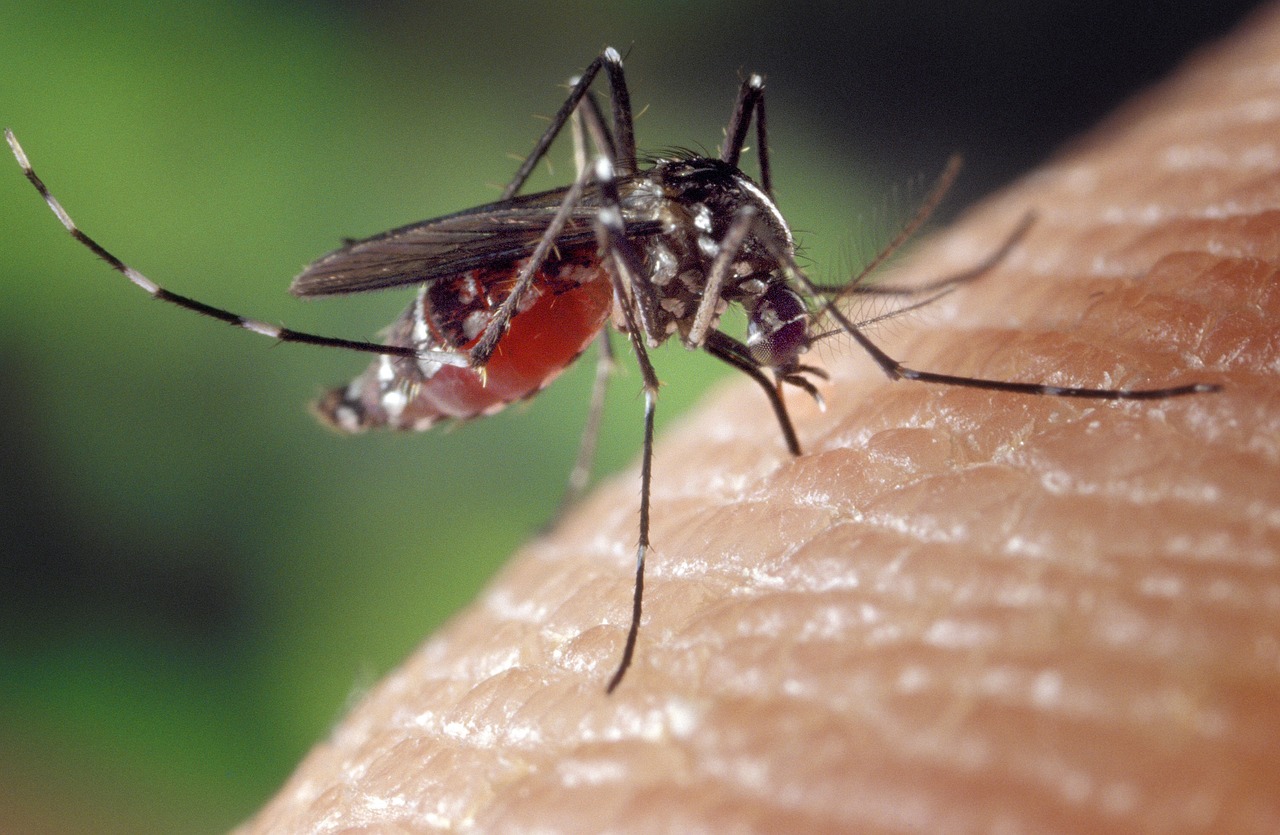
The study, led by Sandeep Tegar of the UK Centre for Ecology & Hydrology, examined existing data to determine the minimum temperatures at which the virus can be transmitted by Asian tiger mosquitoes (Aedes albopictus). The team found that transmission is possible from around 14°C—two to two-and-a-half degrees lower than earlier estimates—up to 32°C, with optimal spread occurring at roughly 26°C.
This expanded temperature range means that Chikungunya transmission could be possible across large parts of Europe during summer and early autumn. In southern regions, conditions may allow spread from May through November.
Southern Europe at Highest Risk
Countries with the highest projected risk include Albania, Greece, Italy, Malta, Spain, and Portugal. Austria falls into the medium-risk category. Although no infections have been recorded in Austria to date, the presence of the Asian tiger mosquito has increased sharply. First detected in the country in 2012, the species was found in all Austrian federal states by 2022, with established overwintering populations in parts of Vienna, Graz, and Linz.
Since its introduction to southern Europe in 2007, the mosquito has steadily expanded northward, aided by warmer temperatures, longer summers, and shifting rainfall patterns.
Symptoms Can Persist for Months or Years
Chikungunya typically causes fever and severe joint pain, often accompanied by muscle aches, headaches, nausea, fatigue, and rash. While most symptoms resolve within days, joint pain can persist for weeks, months, or even years in some cases. Fatal outcomes are rare but can occur, particularly among chronically ill individuals, pregnant women, and infants. Current evidence suggests that those who recover from infection gain lifelong immunity.
The virus originated in East Africa, and its name—derived from a Tanzanian language—refers to the bent posture of sufferers due to intense joint pain. According to the World Health Organization, cases have now been reported in more than 110 countries across Asia, Africa, the Americas, and Europe. Two vaccines are currently available, though they are not yet widely used. Austria recently approved a Chikungunya vaccine for individuals aged twelve and older.
Climate Change Fuels Rising Arbovirus Infections
The study notes that infections caused by Aedes-transmitted arboviruses—such as Chikungunya and Dengue—are increasing in Europe by an average of 25 percent per year. Southern European countries have already experienced recurring outbreaks of both diseases.
The European Centre for Disease Prevention and Control (ECDC) has warned that infections with viruses such as West Nile and Chikungunya are becoming a “new reality” for Europe. By August of last year, 27 Chikungunya outbreaks had been reported across the continent. The ECDC attributes the growing threat to climate-related factors that favor mosquito proliferation: rising temperatures, extended summer seasons, milder winters, and altered precipitation patterns.
- source: veinna.at/picture: pixabay.com



This post has already been read 6770 times!