 0
0
 0
0
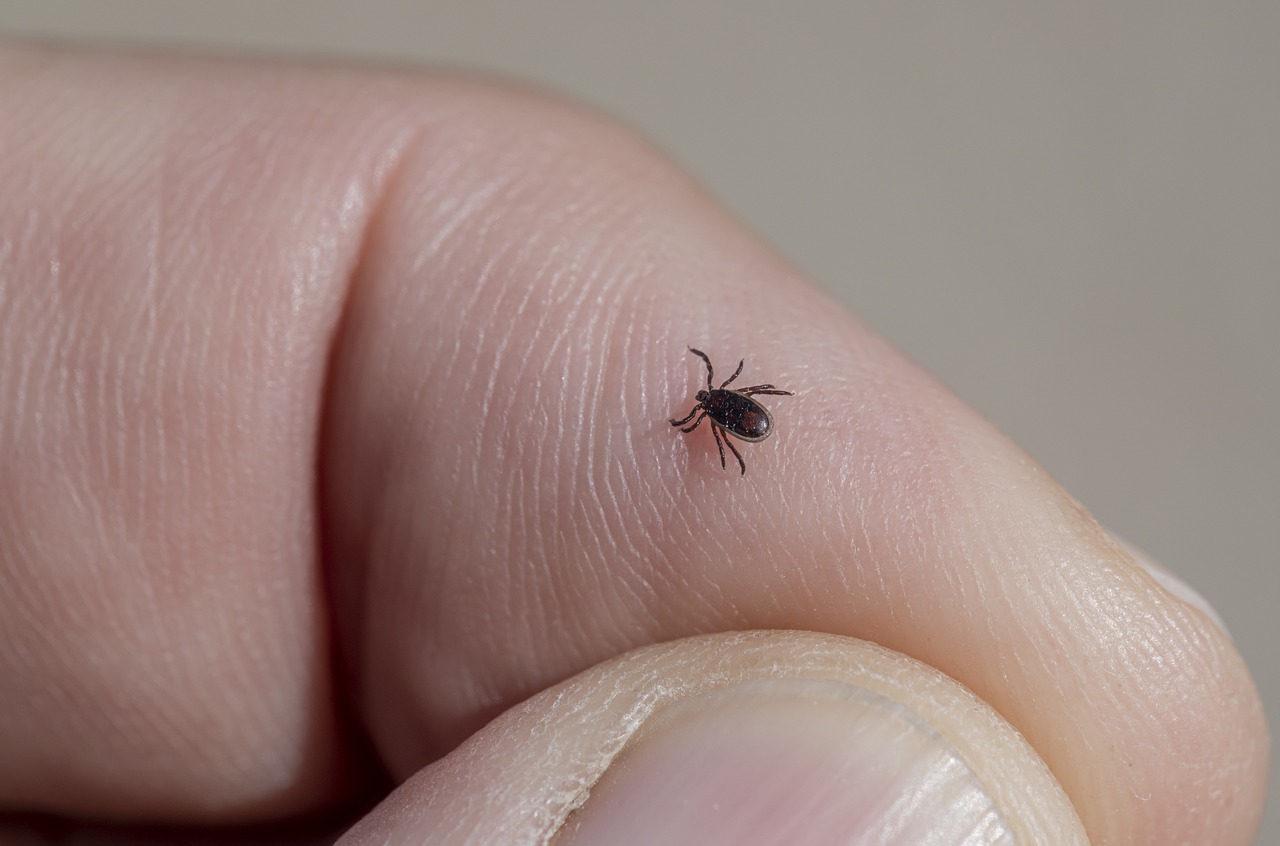
As temperatures rise and people spend more time outdoors, experts warn that ticks are far more widespread—and more dangerous—than many still believe. Contrary to popular myths, these tiny arachnids do not fall from trees, and they certainly don’t limit their attacks to deep forests. They thrive in gardens, parks, and even urban green spaces, waiting patiently for their next host.
Ticks Don’t Fall From Trees — They Wait at Ground Level
Ticks typically position themselves on blades of grass, shrubs, or low branches, stretching out their front legs in a “questing” posture. When a human or animal brushes past, they cling on, crawl to warm, moist areas such as the armpits, groin, hairline, or behind the knees, and then bite.
They cannot jump, fly, or drop from above. Instead, they rely on close contact with a passing host. This means that the majority of tick bites occur not in forests, but in gardens, parks, and along walking paths.
Urban Areas Are Not Safe Either
Ticks prefer mild, humid microclimates—conditions that can be found almost anywhere. Even densely populated cities like Vienna are no exception. The belief that urban environments offer protection is outdated and potentially dangerous.
Disease Risks: Borrelia and FSME
The most common tick species in Central Europe, the Ixodes ricinus (castor bean tick or “Gemeiner Holzbock”), can transmit several pathogens:
- Borrelia bacteria, which cause Lyme disease, were found in 25–30% of tested ticks in recent studies.
- FSME (Tick-Borne Encephalitis) infection rates are lower, typically 0.1–5% in risk areas.
FSME is a viral infection transmitted quickly—often immediately—because the virus is present in the tick’s saliva. Removing the tick promptly does not prevent FSME infection.
Borrelia transmission, however, is slower. The bacteria usually require 12–24 hours to migrate into the tick’s salivary glands. This means early removal significantly reduces the risk of Lyme disease.
Remove Ticks Immediately—But Never With Oil or Glue
Experts strongly advise against using oil, nail polish, glue, or other substances to “suffocate” ticks. These irritants can cause the tick to regurgitate infectious material into the wound.
The safest method is mechanical removal using fine-tipped tweezers or a tick card. Pharmacies can provide proper tools and guidance.
Climate Change Expands Tick Habitats
Tick populations are spreading both geographically and vertically. Regions once considered low-risk—such as Tyrol and Vorarlberg—now report increasing numbers of infected ticks. Sightings have even been recorded at altitudes up to 1,500 meters above sea level.
Experts Urge FSME Vaccination This Spring
Despite rising risks, vaccination rates are declining. A recent Ipsos survey shows:
- Only 60% of the population currently has full FSME protection (three doses), down from 74% before the pandemic.
- Among children up to age 15, the rate has dropped to a concerning 45%.
Doctors warn that this trend leaves many people vulnerable.
A common misconception persists: the FSME vaccine does not protect against Lyme disease. There is currently no vaccine for Borrelia infections, though one is in the final stages of development.
- source: krone.at/picture: pixabay.com



This post has already been read 5769 times!