 0
0
 0
0
Our closest celestial neighbor, the Moon, has fascinated humanity for thousands of years. It lights up the night sky, shapes tides, and plays a central role in myths, folklore, and astrology. Ask someone who believes in astrology, and they might tell you: everything revolves around the Moon.
But how much of its supposed influence on Earth—especially on our weather—is actually real?
The Moon’s undeniable power: tides
There’s no debate here: the Moon does have a measurable impact on Earth. Its gravitational pull is responsible for the rise and fall of ocean tides. As the Moon orbits our planet, it pulls on Earth’s water, creating the rhythmic pattern of high and low tides we observe every day.
However, this effect works best on water because it is fluid and can move freely. The atmosphere, while also fluid, is far less responsive to these gravitational forces.
Does the Moon affect the weather?
The short answer: yes—but only very slightly.
The Moon’s gravity also creates tiny “atmospheric tides,” meaning slight shifts in air pressure. But these changes are extremely small—so small that they are overshadowed by much stronger drivers of weather, such as:
- Solar radiation
- Temperature differences
- Air pressure systems
- Ocean currents
- Geography
In other words, the Sun and Earth’s own systems dominate the weather, not the Moon.
The full moon myth: more storms and rain?
A persistent belief is that certain lunar phases—especially the full moon—bring more extreme weather, like storms or heavy rainfall.
Scientific studies, however, have found no consistent evidence to support this claim.
So why does the myth persist?
It often comes down to perception. Dramatic events—like a storm during a full moon—are more memorable and emotionally striking. Over time, this creates the illusion of a pattern, even when none exists.
Subtle and indirect effects?
Some researchers have explored whether the Moon might influence weather indirectly, for example through its interaction with ocean systems or long-term climate patterns. These effects, if they exist, are:
- extremely subtle
- difficult to measure
- not relevant to day-to-day weather
Final verdict: mostly myth
The Moon undeniably affects Earth, especially through tides. But when it comes to everyday weather, its role is minimal at best.
What remains is its symbolic and cultural power. The Moon continues to inspire stories, beliefs, and curiosity—but modern science makes one thing clear:
The weather is driven by the physics of Earth’s atmosphere—not the phases of the Moon.
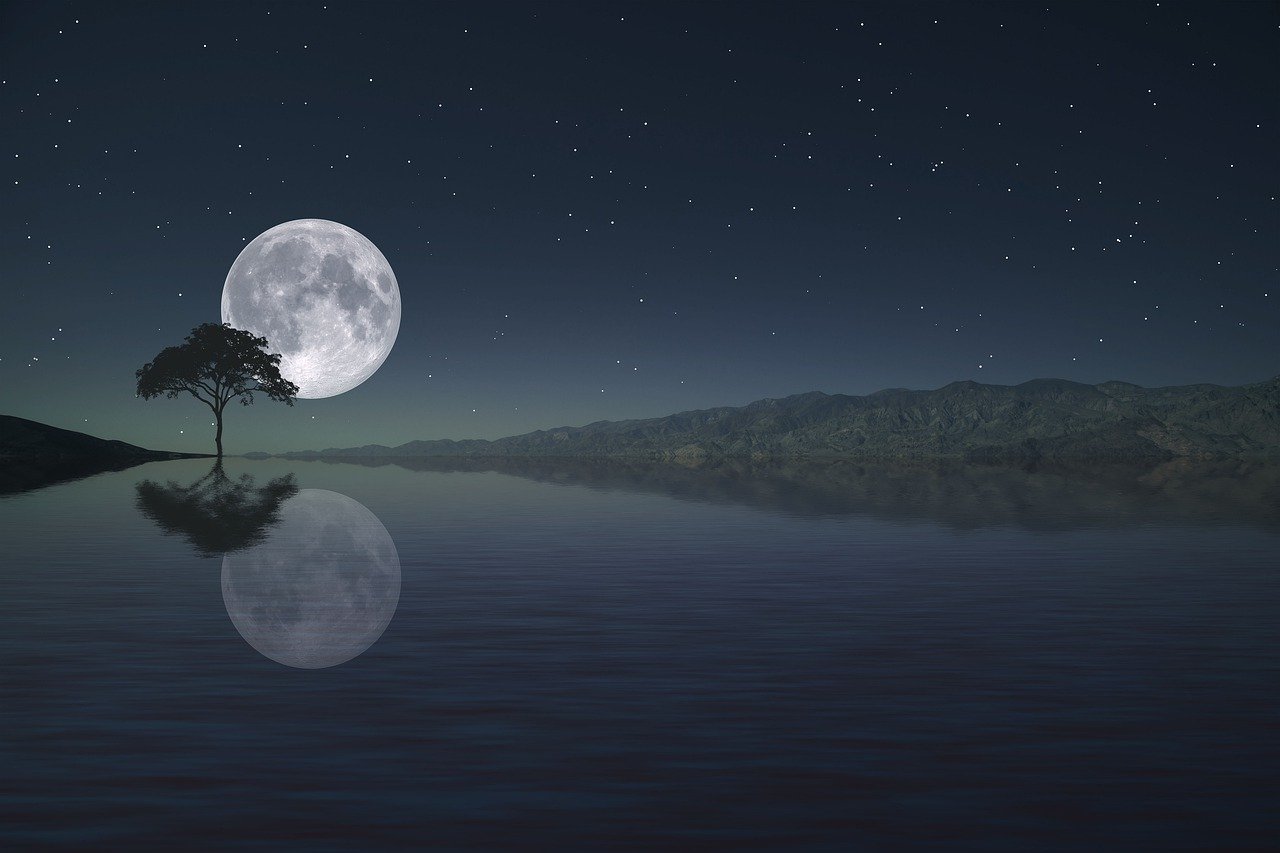
- Hector Pascua/picture: pixabay.com



This post has already been read 7783 times!