 0
0
 0
0
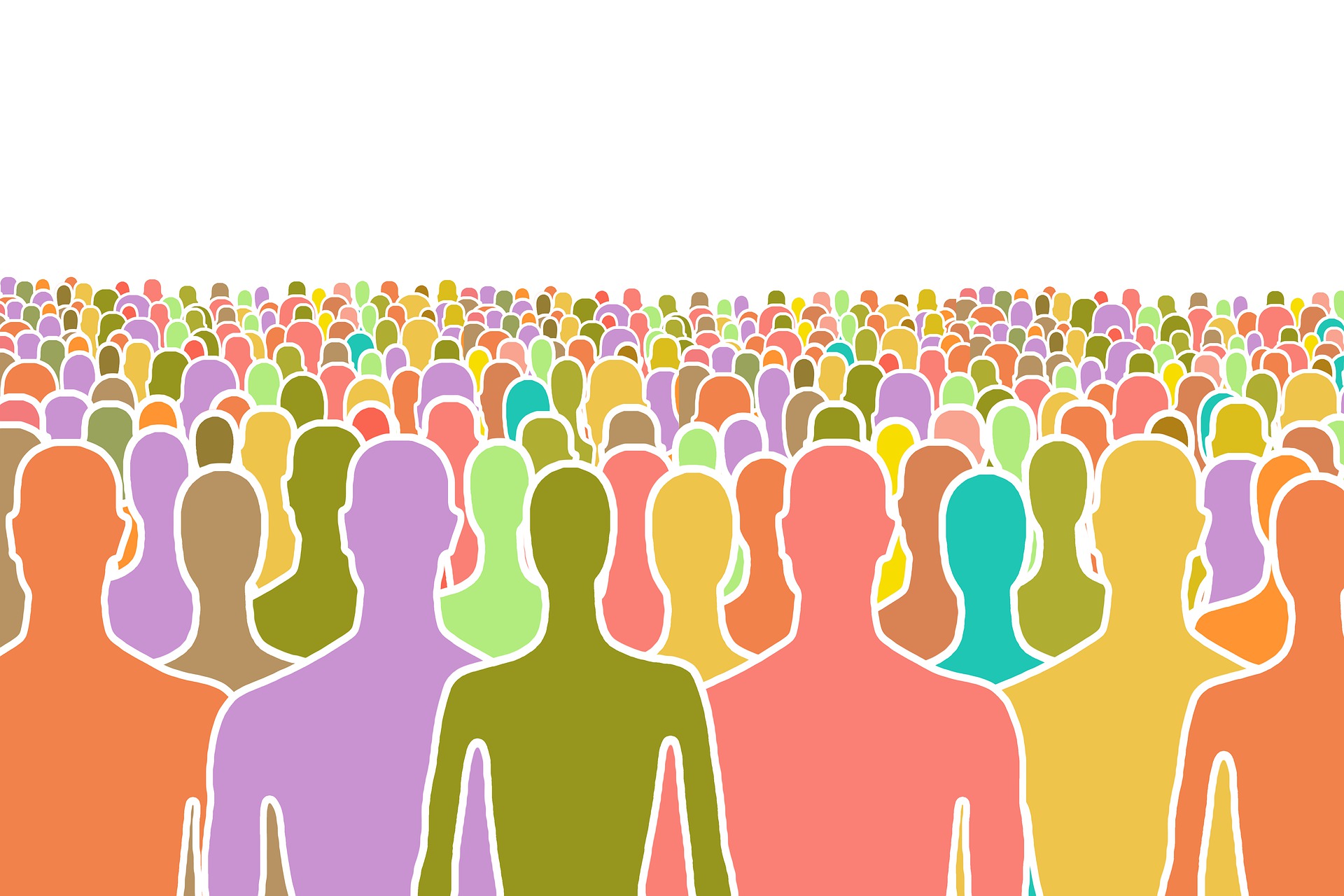
At the start of 2026, the world’s population stands at roughly 8.3 billion people, and nowhere is humanity’s density more visible than in its megacities. Asia alone accounts for about 60% of the global population, and it is home to many of the largest, fastest‑growing urban centers on Earth. With booming economies, expanding industries, and rapid technological development, the continent has become both a demographic and economic powerhouse.
Urbanization has reshaped the global map. Over the past decades, millions have left rural regions in search of opportunity, stability, and modern infrastructure. The result is a constellation of megacities—vast, complex, and constantly evolving. But which cities now dominate the global population rankings?
Asia’s Urban Giants: The Heart of Global Growth
Asia’s megacities are not only large—they are engines of global industry, innovation, and culture. Their growth reflects broader regional trends: rising incomes, expanding middle classes, and the gravitational pull of economic opportunity.
Tokyo, Japan – Still a Titan
Long considered the world’s largest metropolitan area, Tokyo remains a symbol of urban scale and efficiency. While Japan’s overall population is aging and shrinking, Tokyo’s metropolitan region continues to host tens of millions, sustained by its role as a global financial and technological hub.
Delhi, India – A City in Constant Motion
India’s capital region has experienced explosive growth. Delhi is now one of the fastest‑expanding megacities, driven by migration, a young population, and the country’s booming service and tech sectors. Its rapid expansion reflects India’s broader demographic momentum.
Shanghai, China – The Powerhouse of the East
China’s largest city, Shanghai, stands at the crossroads of global trade. With its towering skyline and world‑class port, it remains a magnet for workers and businesses. Despite China’s slowing population growth, Shanghai continues to thrive as a center of finance, manufacturing, and innovation.
Dhaka, Bangladesh – The Surging Metropolis
Few cities have grown as rapidly as Dhaka. Bangladesh’s capital has transformed into a dense, vibrant megacity fueled by the garment industry, entrepreneurship, and one of the world’s most youthful populations. Its challenges—housing, infrastructure, climate vulnerability—are as immense as its potential.
Mumbai, India – The City of Dreams
India’s financial capital, Mumbai, remains one of the world’s most densely populated cities. Its mix of finance, entertainment, and industry continues to draw millions seeking opportunity. The city’s contrasts—wealth and poverty, tradition and modernity—make it one of the most dynamic urban centers on the planet.
Beyond Asia: Global Megacities on the Rise
While Asia dominates the rankings, other regions also host massive urban populations.
São Paulo, Brazil – Latin America’s Urban Heart
As Brazil’s economic engine, São Paulo remains the largest city in the Western Hemisphere. Its diverse industries—from finance to manufacturing—make it a magnet for internal migration.
Mexico City, Mexico – A Cultural and Economic Giant
Mexico City blends ancient history with modern urban life. Its metropolitan area continues to grow, supported by a strong service sector and cultural influence across Latin America.
Cairo, Egypt – Africa’s Largest City
With its strategic location and expanding population, Cairo stands as Africa’s most populous urban center. Its growth reflects Egypt’s demographic dynamism and the city’s central role in politics, culture, and commerce.
Why These Cities Keep Growing
Several forces drive the rise of megacities:
- Economic opportunity: Jobs in tech, manufacturing, finance, and services attract millions.
- Urban migration: Rural populations continue to move toward cities seeking better living standards.
- Industrial expansion: Asia’s role as a global production hub fuels urban concentration.
- Infrastructure development: Modern transport, housing, and digital networks make cities more livable and connected.
Urbanization is not slowing down. By 2050, the UN projects that nearly 70% of the world’s population will live in cities. The megacities of today are only the beginning.
A Glimpse Into the Future
The world’s most populous cities are more than demographic statistics—they are living organisms, constantly reshaped by migration, technology, and economic forces. As Asia continues to lead global population and GDP growth, its megacities will remain at the center of global transformation.
The question is not just which cities are the largest today, but how they will evolve. Will they become models of sustainable urban living, or symbols of overcrowding and inequality? The answer will shape the future of billions.
- Hector Pascua with reference from starinsider.com/picture: pixabay.com


This post has already been read 6677 times!