 0
0
 0
0
As mid‑May approaches, gardeners across Austria once again turn their attention to a centuries‑old weather lore: the Eisheiligen. These traditional “Ice Saints,” rooted in medieval farmers’ rules, are said to bring a final burst of cold air and even damaging frost just before the arrival of stable summer weather. But how much truth is there to this belief in 2026—and how worried should gardeners really be?
Five Saints, One Weather Myth
The Eisheiligen fall each year between 11 and 15 May, marked by the feast days of:
- Mammertus – 11 May
- Pankratius – 12 May
- Servatius – 13 May
- Bonifatius – 14 May
- “Cold Sophie” – 15 May
According to tradition, these dates bring particularly dangerous ground frost, prompting gardeners to wait until after 15 May before planting frost‑sensitive vegetables and flowers.
Weather Outlook for May 2026
Forecasts for May remain uncertain, but early indications from the NOAA weather model suggest a mild yet rainy month. Whether this pattern will allow for a brief cold snap during the Eisheiligen is still unclear. Meteorologists caution that long‑range forecasts cannot yet determine if frost will occur.
Myth vs. Meteorology
Despite their icy reputation, the Eisheiligen are not as frosty as folklore suggests. An analysis of decades of temperature data by Geosphere Austria shows no consistent cold‑air outbreaks between 12 and 15 May.
“Data from the last 80 years across various Austrian regions show that frost does not occur more frequently during the Eisheiligen than on other May days,” says Alexander Orlik, climatologist at Geosphere Austria.
Climate Change Reduces Frost Risk
Even so, gardeners are wise to remain cautious. Frost risk is highest in early May, decreases significantly by mid‑month, and becomes rare to nonexistent in Austria’s inhabited regions by late May.
“The overall probability of frost in May has decreased due to warming over recent decades,” Orlik notes.
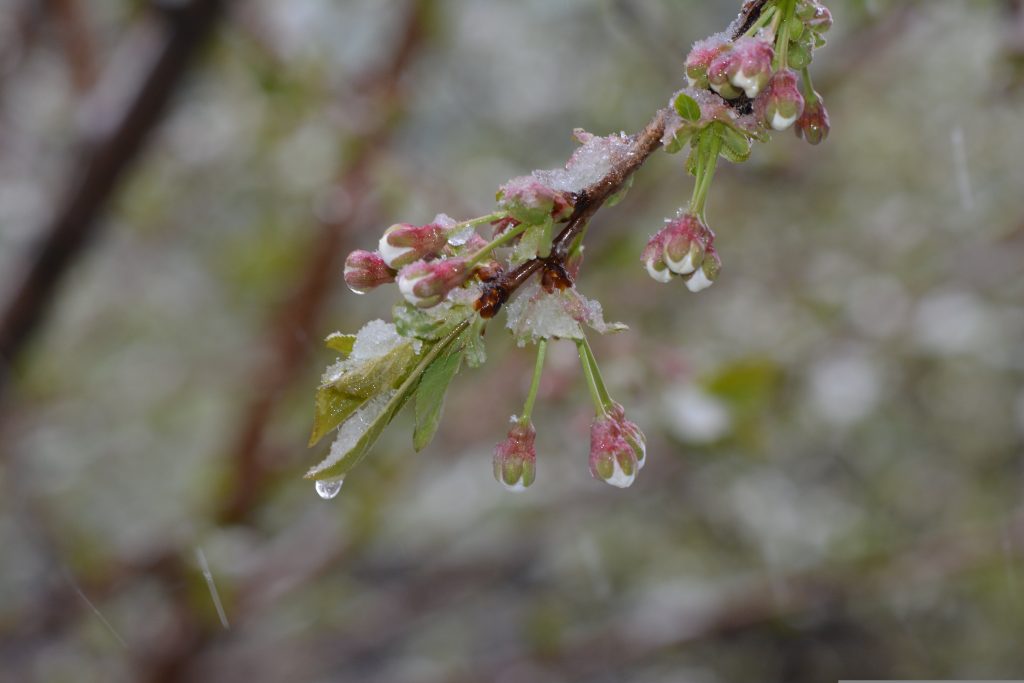
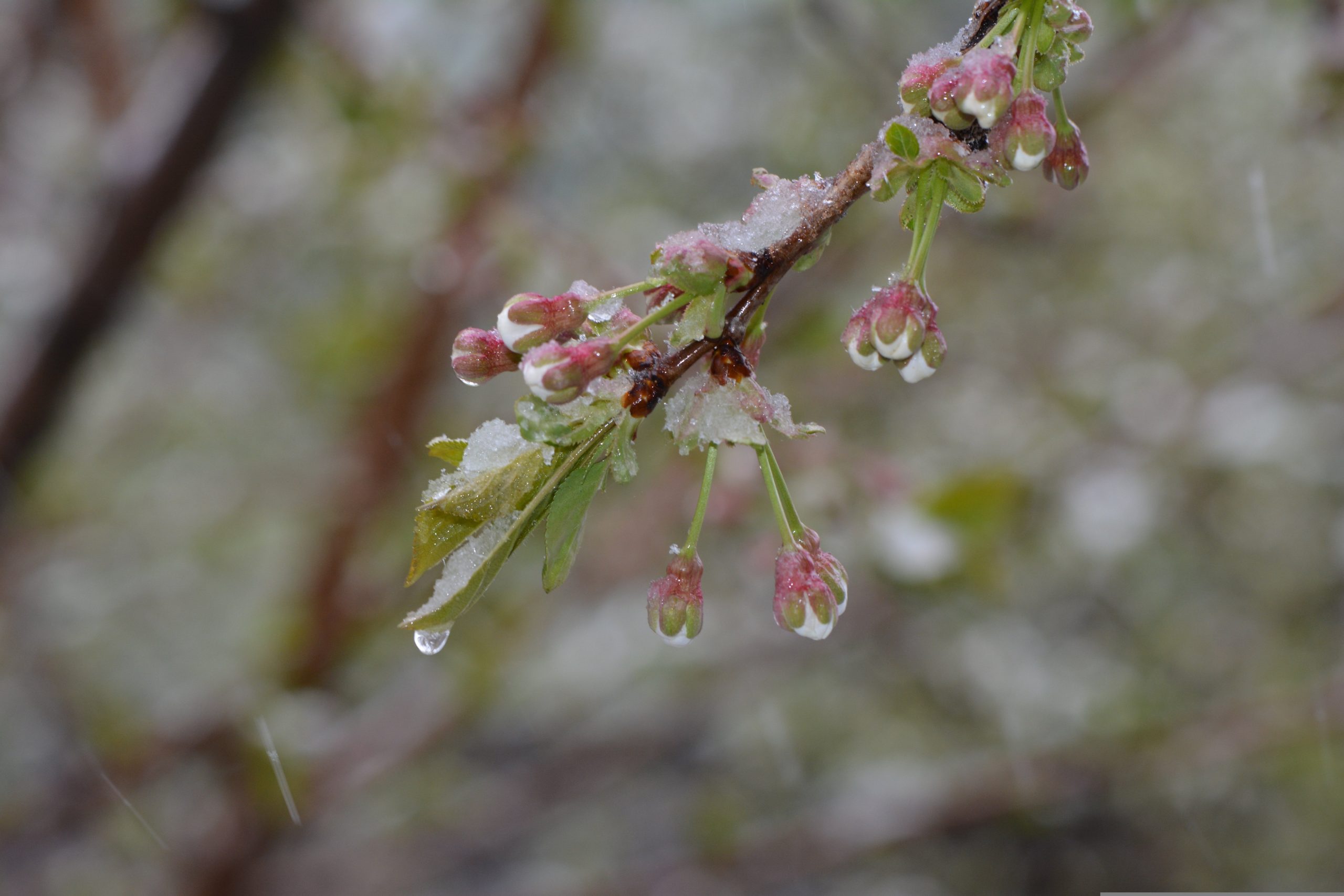
Still, many plants—especially fruit trees and vegetables—are already budding or flowering by May. A single frost night can cause severe damage, making late planting a safer choice.
How Often Does Frost Still Occur?
Ground frost in May has become uncommon, but not impossible:
- Vienna & Salzburg: one frost day in early May roughly every five years
- Feldkirch & Klagenfurt: every two to three years
- Innsbruck: every one to two years
By late May, frost becomes extremely rare. In Vienna, Salzburg, and Feldkirch, the chance is virtually zero.
Higher‑altitude valleys, however, remain more vulnerable.
In Lienz (661 m) and Irdning (697 m), early‑May frost still appears one to two days per year, while late‑May frost occurs only every two to three years.
Why Cold Snaps Happen in May
The meteorological explanation lies in the uneven warming of land and sea. Land surfaces heat up quickly in spring, while oceans remain cool. This contrast, combined with large‑scale air pressure patterns, can occasionally push cold polar air southward into Central Europe. Such air mass clashes are typical for May—but not guaranteed.
Weather Lore Lives On
Traditional farmers’ sayings reflect the long‑standing fear of late frost:
- “Vor Bonifaz kein Sommer, nach der Sophie kein Frost.”
- “Servaz muss vorüber sein, will man vor Nachtfrost sicher sein.”
- “Die kalte Sophie bringt zum Schluss gern noch einen Regenguss.”
While charming, these sayings no longer align with modern climate data. Yet they continue to shape gardening habits—and perhaps offer a comforting rhythm to the agricultural year.
Conclusion: Caution, Yes—Panic, No
For 2026, the Eisheiligen are unlikely to bring dramatic cold, but a brief chill cannot be ruled out. Gardeners in lowland regions can remain relatively relaxed, while those in higher valleys should stay alert.
Waiting until late May to plant sensitive crops remains a wise and time‑tested strategy—one that blends tradition with modern climate science.
- source: kurier.at/picture: pixabay.com



This post has already been read 2292 times!