 0
0
 0
0
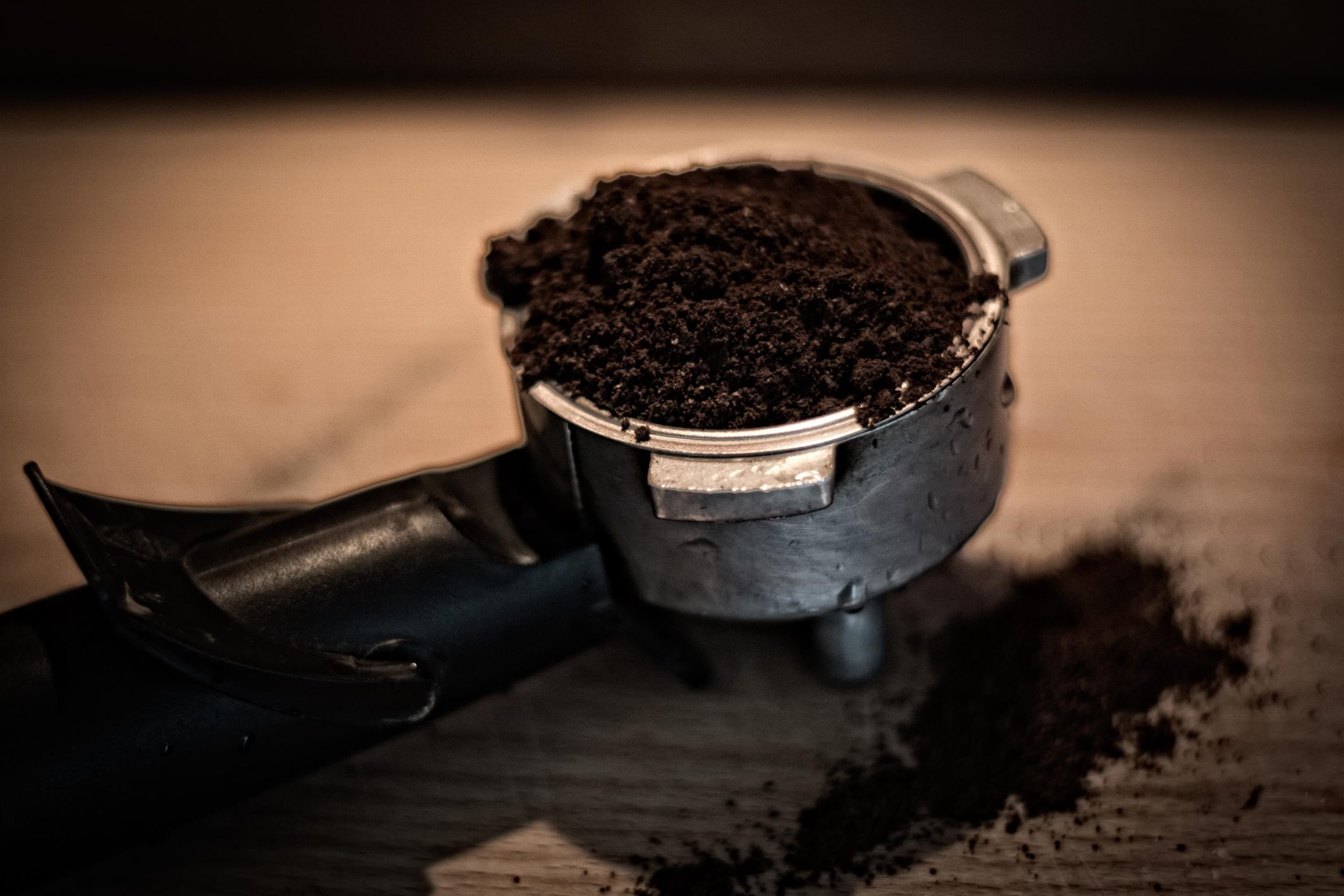
Coffee grounds have become a beloved home remedy among many hobby gardeners. Rich in nutrients, sustainable, and said to deter slugs — it sounds like the perfect natural fertilizer. And for many plants, it truly works wonders. But for others, using coffee grounds can turn into a slow, silent killer.
Below are three types of plants that react poorly to this otherwise popular soil booster — and why you should keep your leftover espresso far away from them.
1. Vegetable Gardens
Many gardeners sprinkle coffee grounds around their vegetable beds hoping for a nutrient boost. After all, coffee grounds contain nitrogen, phosphorus, and potassium — all essential for healthy plant growth.
But here’s the catch:
When coffee grounds decompose, microbes compete with your plants for nitrogen. Instead of enriching the soil, the process temporarily reduces available nitrogen. The result:
- Pale, weak leaves
- Stunted growth
- Lower yields
Worse yet, coffee grounds tend to clump together, forming a dense layer that blocks air and light — two things your vegetables desperately need.
If you want to explore alternatives, you might look into organic soil boosters or composting tips.
2. Hydrangeas (to change their color)
Hydrangeas are famous for their color-changing magic: acidic soil turns them blue, alkaline soil pink. Because coffee grounds are often believed to be acidic, many gardeners try to use them to shift the bloom color.
But that’s a myth.
Once brewed, coffee grounds are close to pH-neutral. Instead of adjusting soil acidity, they:
- Keep the soil too moist
- Cause leaves to curl
- Lead to early wilting
If you want to safely adjust hydrangea color, consider researching soil pH methods instead.
3. Mediterranean Herbs
Lavender, rosemary, thyme, and sage thrive in dry, well-drained soil. Coffee grounds, however, are moist, dense, and organic — the exact opposite of what these herbs prefer.
Using coffee grounds around Mediterranean herbs can cause:
- Slowed growth
- Yellowing leaves
- Root rot due to excess moisture
These plants evolved in rocky, arid landscapes. If you want them to flourish, explore dry-soil gardening or Mediterranean herb care.
Bottom Line
Coffee grounds can be a fantastic fertilizer — but only for the right plants. For vegetables, hydrangeas, and Mediterranean herbs, they do more harm than good. When in doubt, composting your coffee grounds first is often the safest and most effective option.
- source: wmn.de/picture: Image by Michal Jarmoluk from Pixabay



This post has already been read 8946 times!