 0
0
 0
0
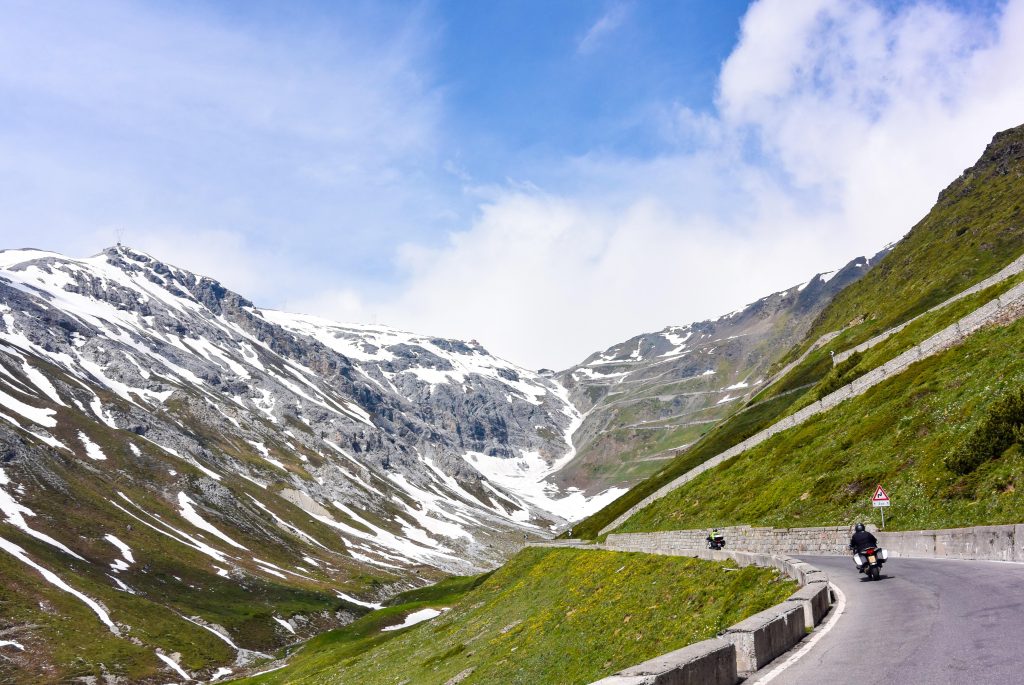
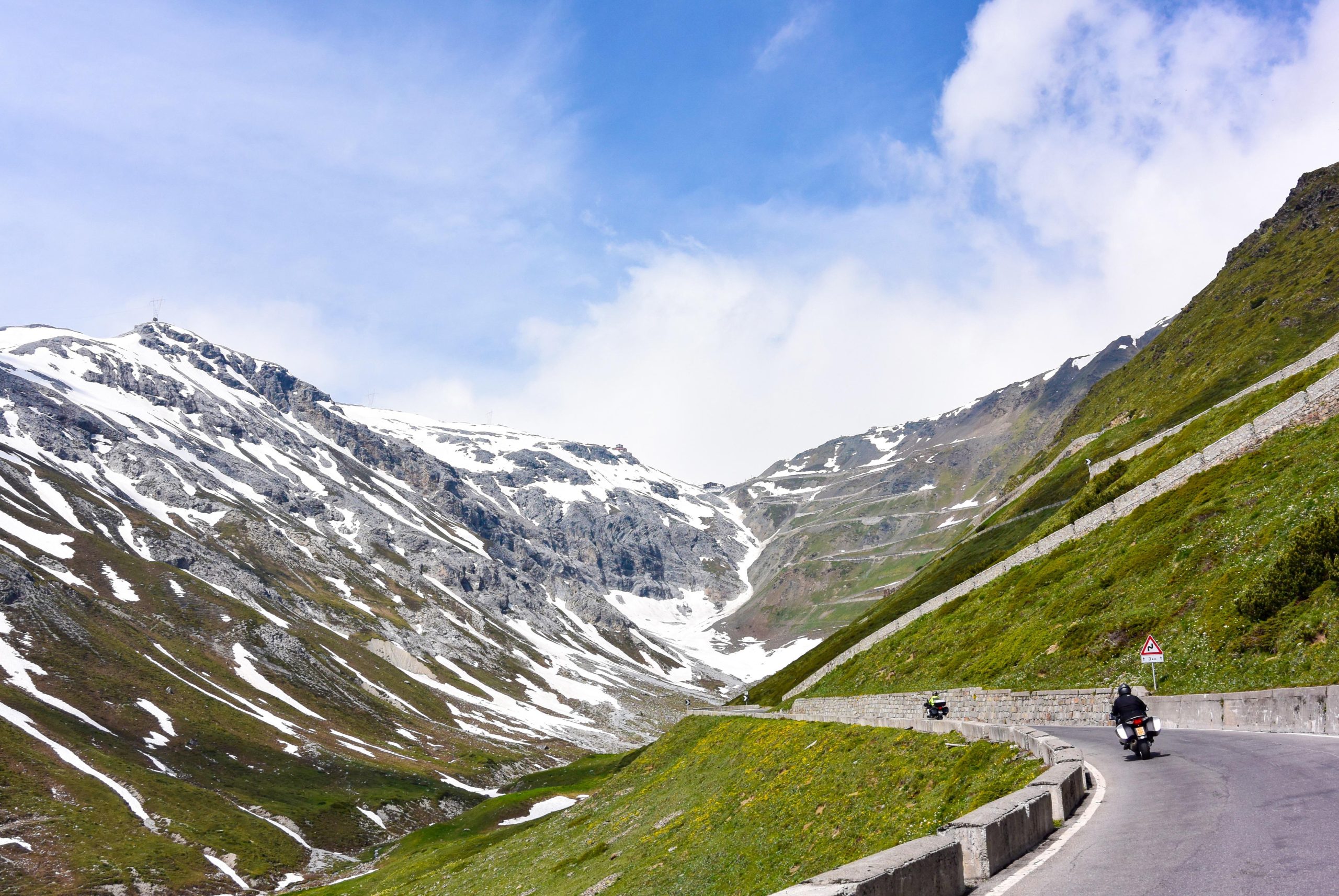
Slovenia is imposing significantly stricter regulations at the Vršič Pass, one of the country’s most visited alpine routes. With nearly two million people traveling through the area each year, authorities are moving to curb congestion, protect the environment, and better manage the growing tourist pressure.
Traffic Control Measures Intensified
The key change is a strict limitation on parking capacity. Only 90 designated parking spaces will remain available at the summit of the pass. Parking will now be fee‑based, and a new barrier‑controlled system will regulate the flow of vehicles.
These steps follow major road and drainage upgrades completed last year, which had already caused extended closures. Officials hope the new system will prevent the long lines of cars that have become typical during peak season.
- Vršič Pass — background, geography, tourism
- Traffic management — how similar regions handle congestion
Environmental Protection Comes With Steeper Penalties
Alongside traffic regulation, Slovenia is cracking down on wild camping, a growing problem in the Julian Alps. Anyone pitching a tent outside designated areas now risks fines of up to 500 euros per person.
Authorities argue that uncontrolled overnight stays have damaged fragile alpine ecosystems and increased waste in protected zones.
- Wild camping rules
- Julian Alps
Entrance Fees for Natural Attractions
Another major shift affects access to popular natural sites. Several well‑known viewpoints, trails, and landscape attractions will soon require paid entry. Revenue from these fees will be used to maintain trails, fund conservation work, and support local infrastructure strained by heavy tourism.
This aligns Slovenia with other European destinations that have introduced similar systems to protect vulnerable natural areas.
- Nature conservation fees
- Sustainable tourism
Why It Matters
The new rules reflect a broader trend across Europe: popular outdoor destinations are reaching their limits. Slovenia’s approach aims to balance tourism with long‑term environmental stewardship — a move that may soon become standard in other alpine regions.



This post has already been read 102 times!