 0
0
 0
0
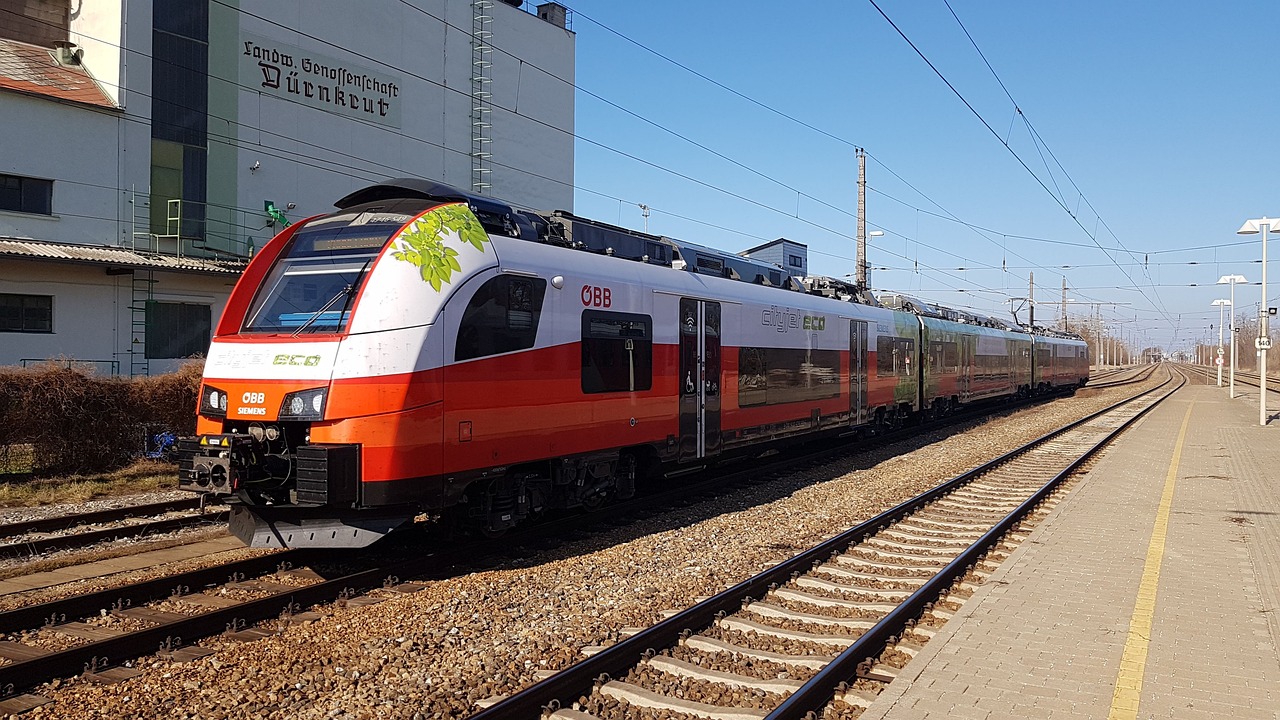
Vienna is bracing for the most significant public‑transport disruption in decades. Beginning 7 September 2026, the city’s central S‑Bahn trunk line between Praterstern and Wien Hauptbahnhof will shut down for more than a year to undergo extensive modernization. The closure will last until end of October 2027 and force around 700 trains per day to be cancelled. An estimated 250,000 passengers will need to find alternative routes.
A Quarter Million Passengers on the Move
A TU Vienna study presented by the Greens warns that 11,300 passengers per hour will be displaced during peak times. Key hubs such as Hauptbahnhof, St. Marx, and Praterstern are expected to face heavy crowding, packed platforms, and overloaded U‑Bahn and tram lines.
The Greens argue that the city underestimated the scale of the challenge. According to party officials, the administration focused too heavily on theoretical replacement routes rather than on whether they can withstand real‑world morning‑rush demand.
- S‑Bahn Stammstrecke
- TU Vienna study
- Vienna Hauptbahnhof
Greens Criticize Planning and Pricing
Green Party chair Peter Kraus sharply criticized the city’s preparation efforts. He argues that although the need for renovation has been known for years, the project is being handled “like a normal construction site.” Kraus called the remark by City Councillor Ulli Sima—that the situation “won’t be fun”—cynical, insisting that better planning was possible.
The Greens demand:
- Shorter intervals on U‑Bahn and tram lines
- More staff and reserve trains
- Priority lanes for buses and trams
- Safe cycling alternatives
- A return to the 365‑euro annual ticket
- Discounts for Klimaticket holders affected by the closure
Shuttle Buses and Longer Trams — But Not Enough
ÖBB and Wiener Linien have announced several mitigation measures:
- A shuttle bus between Meidling and Längenfeldgasse
- Longer vehicles on tram line O
- An extension of tram line 18 to the U2 station Stadion
However, the TU study concludes that these steps will not fully absorb the displaced passenger volume.
Experts also warn of potential safety risks at Hauptbahnhof, where U1 platforms are already strained during rush hour. They recommend guidance systems, floor markings, announcements, and additional staff to manage passenger flows.
- U1 capacity issues
- Shuttle bus planning
Why the Closure Is Necessary
During the shutdown, crews will renew viaducts, bridges, retaining walls, platforms, and tracks. The train control system will also be upgraded. Once completed, the line will support longer trains, increasing seating capacity by 40 percent by 2028. A 2.5‑minute interval is planned for peak hours.
Despite these long‑term benefits, the coming months will test the resilience of Vienna’s transport network. As Green mobility spokesperson Kilian Stark put it:
“You can’t simply ask a quarter million passengers per weekday to scatter themselves across the network.”
- source: vienna.at/picture: pixabay.com



This post has already been read 4982 times!