 0
0
 0
0
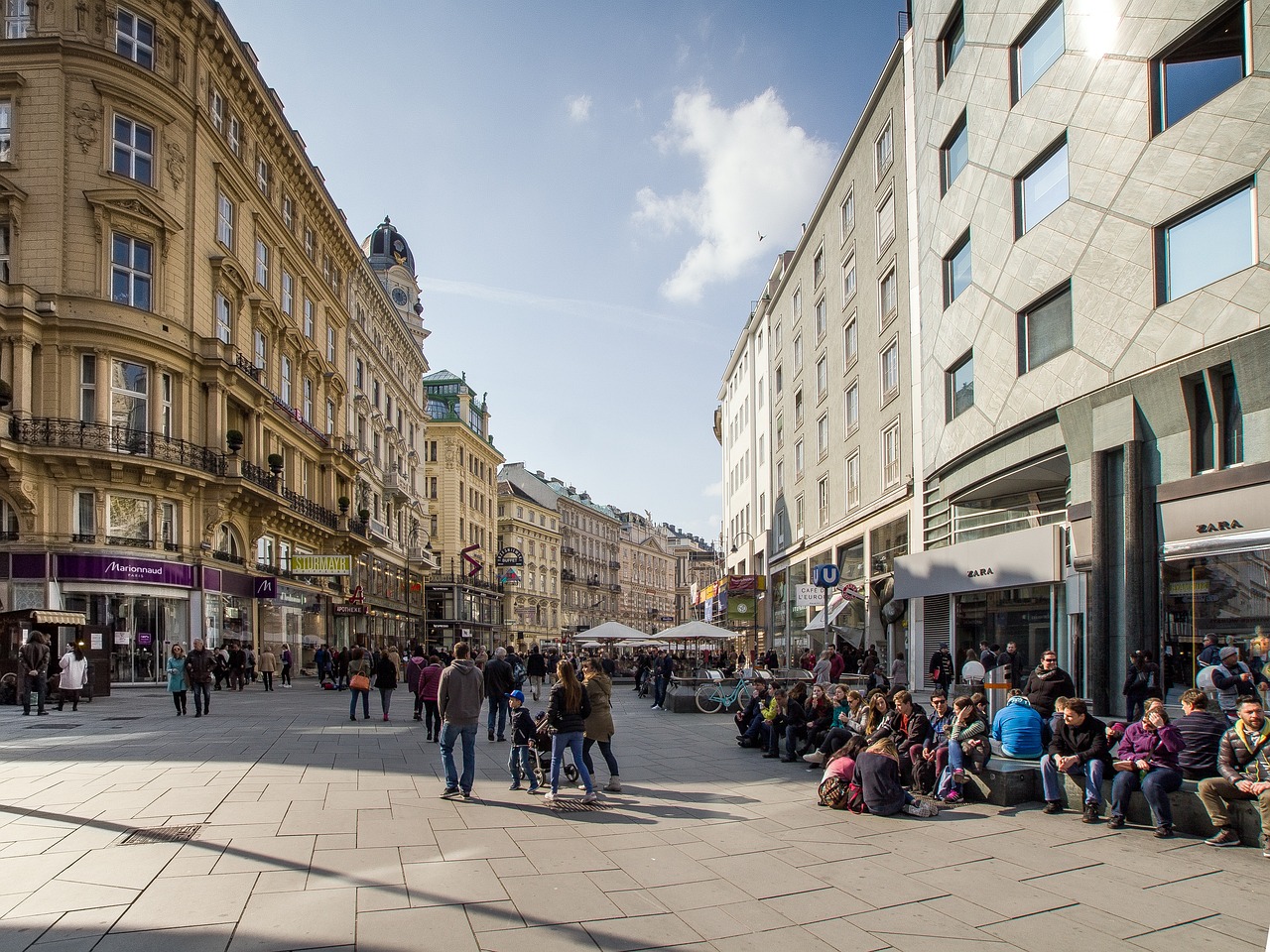
When the sun rises over a city, it doesn’t just illuminate the skyline — it ignites it. Heat sinks into concrete, glass, and asphalt, turning dense urban districts into slow‑cooking ovens. Scientists call this the urban heat island effect, a phenomenon that makes cities significantly warmer than their rural surroundings.
A City Built to Trap Heat
At the heart of the problem is the very material that makes modern cities possible. Concrete, steel, and asphalt absorb enormous amounts of solar radiation during the day and release it only slowly at night. Rural areas, by contrast, are covered with vegetation that reflects more sunlight and cools the air through evapotranspiration — the natural release of moisture from plants.
- Concrete and asphalt surfaces — store heat like giant thermal batteries
- Dense building structures — block wind and create heat‑retaining canyons
- Dark rooftops — absorb far more sunlight than natural ground
The result is a city that warms quickly and cools slowly, especially during summer heatwaves.
Where Nature Cools, Cities Burn
In the countryside, fields, forests, and open soil act like natural air conditioners. Plants release water vapor, cooling the surrounding air. Shade is abundant. Surfaces are lighter and more porous. Even the wind moves differently — unobstructed, it sweeps heat away.
Cities, however, replace these natural cooling systems with impermeable surfaces and towering structures. The lack of greenery means less shade and less moisture in the air. Urban residents feel this difference acutely: nighttime temperatures in cities can remain up to 10°C warmer than in nearby rural areas.
Heat from Human Activity
Beyond the built environment, cities generate their own heat — a constant, invisible exhaust from daily life.
- Traffic emissions warm the air at street level
- Air conditioners pump heat outdoors while cooling indoor spaces
- Industrial activity adds continuous thermal output
In effect, cities create a feedback loop: the hotter it gets, the more energy people use to cool down — and the more heat is released into the streets.
Why Wind Matters — and Why Cities Block It
Wind is one of nature’s simplest cooling mechanisms. But in cities, narrow streets and tall buildings create urban canyons that trap warm air and reduce airflow. Rural areas, with their open landscapes, allow breezes to disperse heat far more effectively.
Can Cities Cool Down?
Urban planners worldwide are rethinking how cities can adapt to rising temperatures. Solutions include:
- Green roofs that insulate buildings and reduce heat absorption
- Urban tree planting to create shade and restore evapotranspiration
- Cool pavements that reflect rather than absorb sunlight
- Water features that naturally lower ambient temperatures
These strategies don’t just cool cities — they make them more livable, resilient, and beautiful.
A Future of Hotter Cities — Unless We Act
As climate change intensifies heatwaves across Europe, the urban heat island effect becomes more than a scientific curiosity. It’s a public health issue, an infrastructure challenge, and a test of how cities can adapt to a warming world.
Understanding why cities heat up faster — and stay hot longer — is the first step toward designing urban spaces that protect their residents rather than overwhelm them.
- Hector Pascua/picture: pixabay.com



This post has already been read 2803 times!