 0
0
 0
0
The summer of 2026 has only just begun, but astronomers and sky‑watchers across Europe are already calling it one of the most spectacular seasons in years. Despite the famously bright summer nights that often frustrate stargazers, the coming weeks offer an unusually rich lineup of celestial events — many of them visible without any equipment.
A Sky That Never Sleeps
Even when the nights barely grow dark, several summer classics remain easy to spot. The Summer Milky Way arches across the southeastern sky, glowing softly above the horizon. High in the atmosphere, shimmering noctilucent clouds — made of tiny ice crystals — drift like silver-blue veils. And the iconic Summer Triangle, formed by the bright stars Vega, Deneb and Altair, dominates the warm nights.
A Solar Eclipse in Broad Daylight
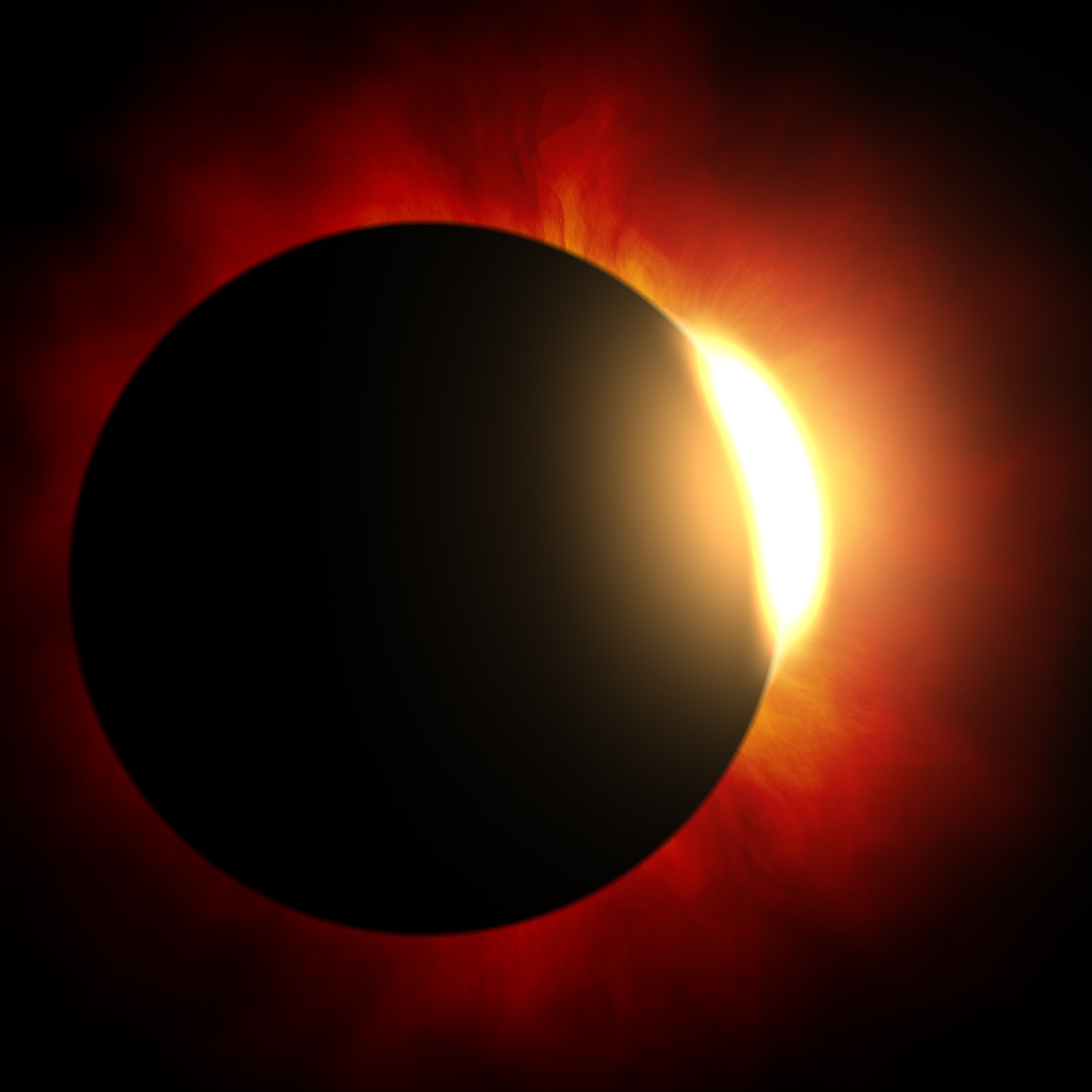
The headline event of the season arrives on Wednesday, 12 August, when much of Europe will witness a partial solar eclipse. Depending on location, up to 90 percent of the Sun will be covered.
Those who want to experience the total eclipse — the first visible from Europe since 1999 — will need to travel to Spain or Iceland, where the Moon will fully obscure the Sun. Safe viewing is essential: observers should secure certified solar eclipse glasses well in advance.
Perfect Timing for the Perseids
Just hours after the eclipse, the sky delivers another highlight. The Perseids meteor shower reaches its peak on Thursday, 13 August at 6:00 a.m. The best viewing window is the night of 12–13 August, when dozens of meteors per hour may streak across the sky.
Because a solar eclipse can only occur at new moon, the night will be moonless and unusually dark — ideal conditions for meteor watching. For hobby astronomers, it’s a rare double feature: eclipse by day, shooting stars by night.
A Nearly Total Lunar Eclipse
Two weeks later, the Moon takes center stage. On Friday, 28 August, a deep partial lunar eclipse begins at 4:30 a.m. and continues until just before moonset around 7:00 a.m. Although not fully total, the eclipse will darken most of the lunar surface.
Early risers will be rewarded with a dramatic view — weather permitting.
A Season Made for Looking Up
From eclipses to meteors to the glowing Milky Way, the summer of 2026 offers a rare concentration of celestial wonders. Whether you’re an experienced observer or simply curious, the coming weeks are an invitation to pause, step outside, and look up.
- source: oe24.at/ picture:pixabay.com



This post has already been read 13345 times!