 0
0
 0
0
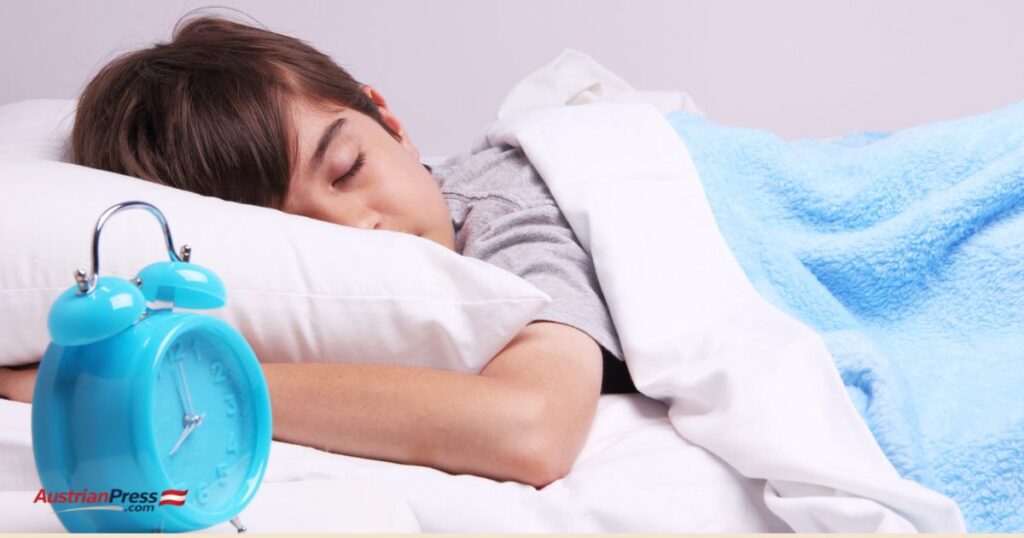
Summer may not look like it in Vienna right now, but the heat is expected to return in the coming days — and with it, those restless, sweaty nights. When temperatures barely drop below 20°C, sleep quickly becomes a challenge. Urban apartments, especially in older buildings, absorb heat throughout the day and release it slowly well into the night.
The good news: You don’t need an air conditioner to make your bedroom more comfortable. A few simple adjustments can noticeably cool your sleeping environment.
1. Ventilate the right way
The most common mistake happens during the day. Experts recommend keeping windows closed when it’s hot outside — otherwise warm air flows directly into the apartment and heats it up even more.
Ventilation should happen only in the evening, at night, or early in the morning. Cross-ventilation, with windows open on opposite sides of the home, is especially effective.
2. Block out the sun
Roller shutters, blinds, or curtains should stay closed during the day. This simple step significantly reduces heat gain and slows down the warming of indoor spaces. Exterior shading works best, but even thick curtains make a difference.
3. Choose natural fibers
Your bedding and sleepwear matter. Cotton, linen, and silk are more breathable than synthetic fabrics and absorb moisture better. The result: a cooler, more comfortable sleep environment — especially important when your body sweats more at night.
4. Stay hydrated
Hot nights mean increased fluid loss. Drinking one or two glasses of water before bed can help. Opt for lukewarm drinks rather than ice-cold ones, which can stress the circulatory system. Keeping a glass of water on your bedside table is also a good idea.
5. Use your fan strategically
A fan doesn’t cool the air itself, but it improves how cool you feel. It works best when a window is open at night, allowing fresh air to circulate.
For an extra cooling boost during the day, place a bowl of ice cubes in front of the fan — a simple trick that creates a refreshing breeze.
6. Try cooling hacks for your bed
A hot-water bottle filled with ice water, briefly chilled bedding, or even lightly cooled socks can make falling asleep easier. These methods provide short bursts of coolness without overwhelming the body.
7. Sleep as low as possible
Warm air rises. If you can, sleep closer to the floor on particularly hot nights — or move temporarily to a cooler room. Spaces with tiled floors often stay noticeably cooler.
A word of caution about wet towels
Hanging wet towels or sheets in the bedroom is a popular tip. While it may cool the air briefly, it also raises humidity levels. Higher humidity can worsen sleep quality and make the heat feel even more oppressive.
The key tips at a glance
- Keep windows closed during the day
- Ventilate only in the evening or early morning
- Darken rooms to block sunlight
- Use natural fabrics
- Drink enough water
- Use fans strategically
- Apply cooling aids like ice water
- Sleep lower to the ground
Medical note
These tips can improve comfort but do not replace medical advice. Anyone experiencing severe sleep problems, circulatory issues, or health concerns due to heat should consult a doctor.



This post has already been read 47738 times!