Mandatory Equipment on Holiday Road Trips: Many Drivers Are Unaware of These Rules

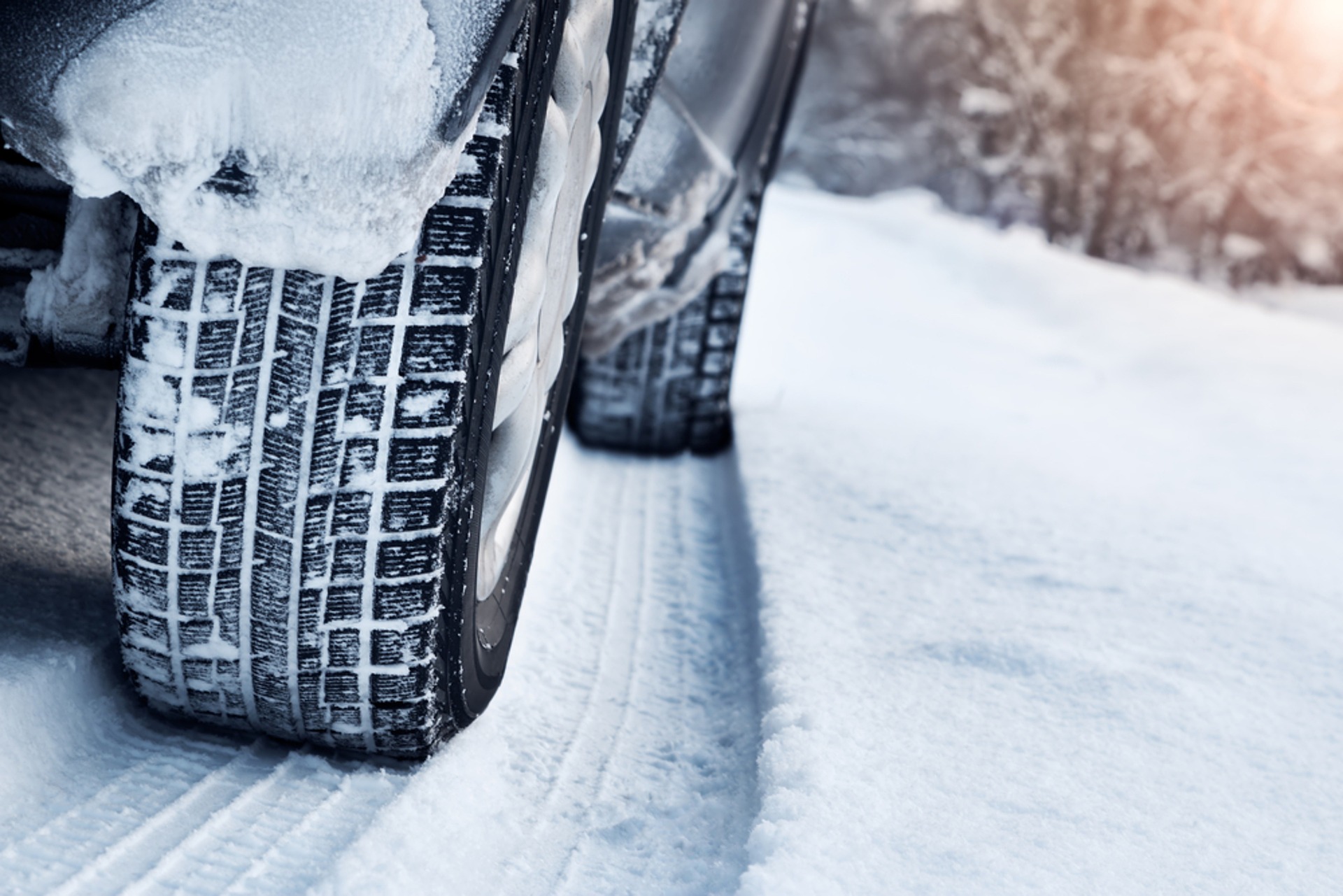
Drivers heading out on holiday by car should check more than just their travel documents. The Austrian automobile club ÖAMTC is reminding travelers that mandatory vehicle equipment varies significantly across Europe — and that missing items can lead to fines abroad. This applies equally to private cars and rental vehicles, where equipment should be checked on the spot. Key Equipment Requirements Across Europe In Austria, the basic mandatory items are a high‑visibility vest, warning triangle and first‑aid kit. Other countries, however, enforce additional or different rules. High‑Visibility Vest Many countries distinguish between carrying a vest and wearing it. After a breakdown or accident, anyone leaving the vehicle must wear a vest in numerous European states. The ÖAMTC therefore recommends having one vest per passenger. First‑Aid Kit A first‑aid kit is compulsory in many European countries. France, Italy and Spain are among the exceptions. Regardless of legal requirements, the kit should be stored in an easily accessible place inside the vehicle. Warning Triangle A warning triangle is mandatory in almost all European countries. Turkey and Cyprus require two triangles. In Switzerland, the triangle must be reachable from the driver’s seat. Spain introduced a new rule on 1 January 2026: vehicles registered in Spain must replace the triangle with a V16 warning light. For foreign vehicles, nothing changes. Fire Extinguisher and Spare Bulbs A fire extinguisher is required in Bulgaria, Estonia, Lithuania and Romania. In Belgium, Greece, Poland and Turkey, the rule applies only to locally registered vehicles. Croatia and Slovenia require a spare bulb kit, though modern LED, xenon and neon lights may fall under special regulations. Separate Rules for Motorcyclists Motorcyclists also face varying equipment obligations abroad. In many countries, carrying a high‑visibility vest is mandatory. Sweden, Hungary and Latvia additionally require a warning triangle for motorcycles with sidecars. In Austria, a first‑aid kit is part of the mandatory motorcycle equipment — as it is in several Southern and Eastern European countries. Check Before Departure The ÖAMTC advises travelers to review the rules for their destination well in advance and purchase any missing items before leaving. ÖAMTC service centers offer warning triangles, vests and fire extinguishers, and the club provides country information and travel kits.

Read More

Vienna Records Extreme Heat Hotspots as Surface Temperatures Exceed 66 Degrees

Vienna is facing dangerous heat extremes after Greenpeace measured surface temperatures of more than 66 degrees Celsius across several locations during the hottest day of the current heatwave. The environmental group warns that sealed, unshaded urban areas are turning into hazardous hotspots — with some surfaces hot enough to cause burns. Asphalt and Metal Surfaces Reach Critical Temperatures According to Greenpeace, the following temperatures were recorded: The most alarming finding came from a metal playground slide in the Stadtpark, which reached 66.6°C. According to the Austrian Workers’ Compensation Board (AUVA), metal surfaces can cause burn injuries starting at…

Read More

Austria shatters all‑time heat record as temperatures hit 41°C in Vienna

Vienna has rewritten its climate history: On Tuesday afternoon, 41°C were recorded in Vienna‑Stammersdorf, breaking Austria’s national temperature record. The previous all‑time high of 40.5°C, measured in Deutsch‑Altenburg in 2013, has officially fallen — and just one day after Vienna set a new city record of 40.1°C. 🔥 Record heat across eastern Austria The extreme value in Stammersdorf was not an isolated spike. In Langenlebarn (Lower Austria), temperatures climbed to 40.7°C, setting a new state record. By 16:00, nine weather stations across the country reported 40°C or more, including: According to the weather service Tauernwetter, never before have so many Austrian stations crossed the 40°C threshold on a single day. 🌡️ Heatwave reaches its peak The current heatwave intensified rapidly on Tuesday. At 13:30, Stammersdorf became the first station to exceed 40°C. Within an hour, Bad Deutsch‑Altenburg and Langenlebarn followed. By mid‑afternoon, Langenlebarn reached 40.7°C, the highest temperature ever measured in Lower Austria. GeoSphere Austria had already issued the highest weather warning level (red) for Vienna, the northern Burgenland and northeastern Lower Austria for Tuesday and Wednesday. Meteorologists expect further extreme highs on Wednesday, marking the peak of this prolonged heat phase. 🌍 Heat across the country While the focus was on the east, the rest of Austria also baked. Among roughly 250 GeoSphere stations below 1,500 meters, only 22 locations reported highs below 30°C at 14:00. Most lowland and valley regions experienced intense, widespread heat. 🌞 Why is it so hot? Meteorologists point to severe dryness as a key driver. With soils lacking moisture, evaporative cooling has nearly disappeared — a process that normally absorbs heat from the air. Without this natural brake, temperatures rise faster and higher. ⚠️ A historic and alarming milestone Austria’s new national record of 41°C underscores how exceptional the summer of 2026 has become. With multiple records broken in just 24 hours, meteorologists warn that the country is experiencing unprecedented heat dynamics — and the heatwave is not over yet.

Read More

Wiener S‑Bahn: New Line Closures Begin on 10 August

Vienna commuters face fresh disruptions from 10 August as several northern S‑Bahn routes shut down for the next phase of construction works. Services toward Jedlersdorf, Gerasdorf and Süßenbrunn will be affected, with passengers redirected to replacement buses and altered train routes. 🔧 Upgrade Works Enter Next Phase According to ÖBB, construction between Wien Praterstern and Wien Floridsdorf remains on schedule. The upcoming closures, running 10 August to 6 September 2026, are tied to the rollout of the ETCS Level 2 digital train control system, a major modernization step for Vienna’s rail network. 🚫 Which Lines Are Affected The shutdown impacts three major northern corridors: In practice, this means changes for: 🚌 Replacement Bus Network ÖBB will operate an expanded bus system during the closures. Buses connect directly to key transfer hubs: From these hubs, passengers can switch to U6, U2, U1, and additional rail and tram lines. Between Praterstern and Floridsdorf, the familiar two‑bus setup continues: 🚉 Additional Impact: Quartier Belvedere From 10 August, trains will not stop at Wien Quartier Belvedere. The reason: increased deployment of new Cityjet double‑deck trains, which cannot currently be accommodated by the platform length. During this period, ÖBB tickets will be accepted on Vienna’s tram lines 18, 62 and O. 🔜 Major Stammstrecke Closure Follows in September Commuters should brace for an even bigger disruption: Starting 7 September, the 14‑month full closure of the Wiener Stammstrecke begins between Wien Hauptbahnhof / Wien St. Marx and Wien Praterstern. The long shutdown will allow: This marks one of the most significant rail infrastructure projects Vienna has seen in decades.

Read More

Austria Lowers Withdrawal Limits at Hundreds of ATMs to €200

A nationwide adjustment to cash withdrawal rules is set to affect bank customers across Austria: the Abhebelimit at several hundred ATMs has been reduced to €200 per transaction, a move aimed at tightening security and reducing fraud risks. What’s Changing Banks and ATM operators have confirmed that the lowered limit applies primarily to machines in locations considered more vulnerable to skimming, tampering, or repeated high‑value withdrawals. The new ceiling replaces previous limits that often ranged between €300 and €400, depending on the bank. Why the Limit Was Reduced Financial institutions cite a rise in card fraud attempts, especially at standalone ATMs in supermarkets, train stations, and rural areas. By reducing the per‑transaction limit, operators hope to make fraudulent withdrawals less lucrative and easier to detect. Impact on Customers For most users, the change will be noticeable but manageable. Daily withdrawal limits set by individual banks remain unchanged, meaning customers can still withdraw more than €200 per day—just not in a single transaction at affected machines. Banks emphasize that branch ATMs and indoor machines often retain higher limits. Digital banking options, including instant transfers and mobile payments, continue to expand as alternatives to cash. Reactions Consumer groups have expressed mixed views. Some welcome the added security, while others argue that the lower limit is inconvenient for people who rely heavily on cash, especially in rural areas where ATM access is limited. What’s Next ATM operators plan to monitor fraud trends and customer feedback over the coming months. If the measure proves effective, similar adjustments could be rolled out more broadly.

Read More

Vienna swelters as temperatures soar to 38°C — and the worst is yet to come

Wien is facing extreme heat on Thursday, with temperatures climbing to as high as 38°C across parts of the city. According to meteorologists, this marks only the beginning of the next major heatwave. GeoSphere Austria has issued the second-highest weather warning level, highlighting the severity of the conditions. A scorching Thursday — and Friday will be even hotter Forecasts show that Vienna has entered its second heatwave of the year. While Thursday already pushes the limits with 38°C, the real peak is expected on Friday, when temperatures may reach up…

Read More

Windy Start, Then Intense Summer Heat: Vienna Braces for a Scorching Week

Vienna is heading into one of the hottest stretches of this summer, with meteorologists at GeoSphere Austria warning of a rapid shift from breezy conditions to full-on heatwave. After a lively and slightly changeable Sunday, temperatures will climb steadily — peaking in the mid‑30s by Thursday. Windy Monday Before the Heat Arrives The new week begins with a noticeable dip in temperatures and a turbulent atmosphere. Clouds and sunshine will alternate quickly, and between late morning and late afternoon, brief showers may pass through the city. GeoSphere Austria expects strong…

Read More

Austria Braces for Intense Heatwave as Temperatures Surge Toward Month’s End

Austria is heading into the final days of July with growing concern over a powerful heatwave that could push temperatures close to historic extremes. Weather forums and social media have been buzzing with speculation, with some users claiming values of up to 43 degrees—far above Austria’s current national record of 40.5°C, measured in Bad Deutsch‑Altenburg on 8 August 2013. Meteorologists, however, urge caution. These extreme numbers stem from isolated weather models and do not represent the most likely scenario. Heatwave Expected, but Extreme Values Unlikely Forecast reliability decreases sharply beyond…

Read More

Austria Records Longest Heatwave in History: 33 Consecutive Days Above 30°C

Austria has officially experienced the longest heatwave since measurements began, with 33 consecutive days reaching temperatures above 30°C. ORF meteorologist Marcus Wadsak confirmed the unprecedented duration on Tuesday, noting that the brief cooling now underway will likely be short‑lived. A Heatwave Without Precedent The extreme period began on 17 June, when 31.1°C was recorded in Feldkirch. Temperatures climbed steadily, peaking on 29 June with 40.1°C in Bad Deutsch‑Altenburg, Lower Austria — one of the highest values ever measured in the country. On 19 July, the heat persisted with 30.9°C in…

Read More