 0
0
 0
0
In Linz, temperatures dropped to an icy minus 10 degrees in recent days, as shown on a car’s temperature display. Many insects don’t stand a chance in such conditions.
The extreme cold of recent weeks is now having its first effects on nature: some insect species are likely to be heavily reduced.
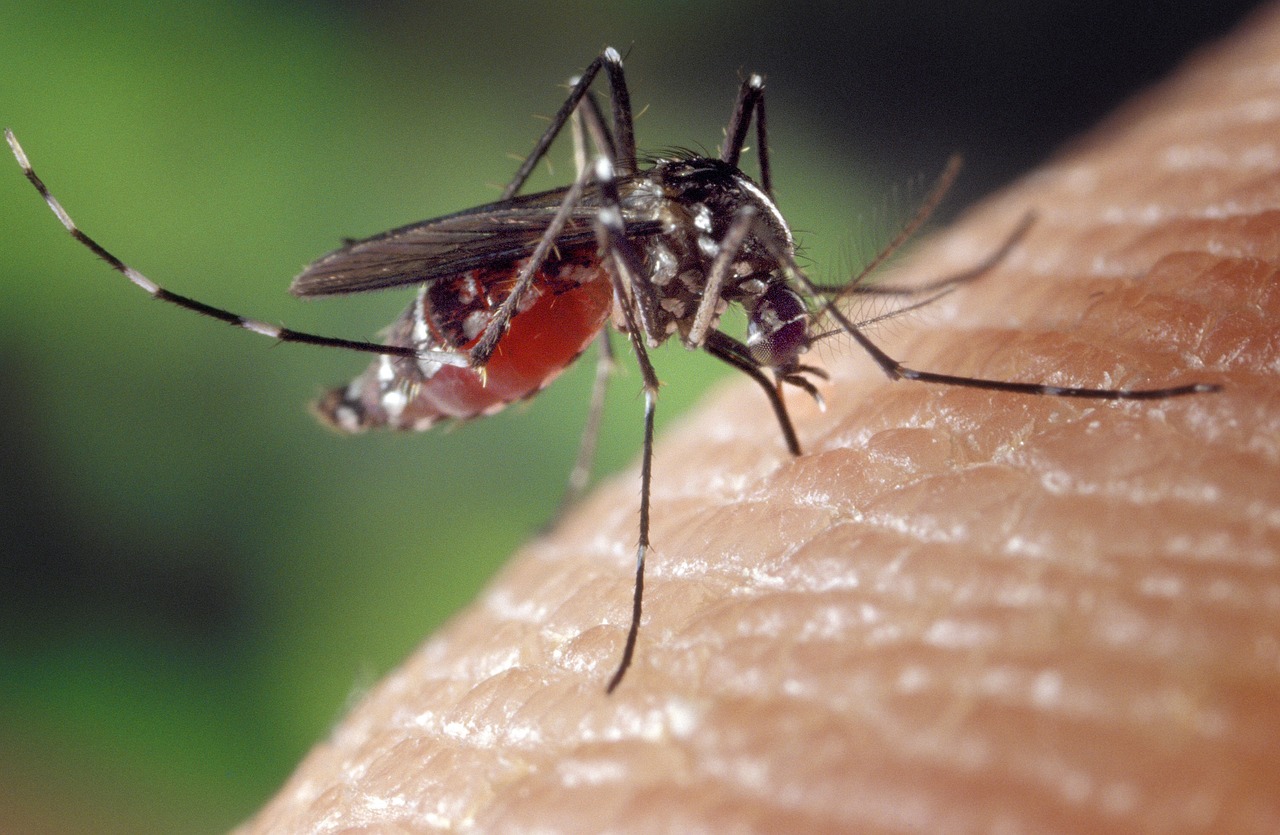
For years, the Asian tiger mosquito has been spreading in Austria—helped by mild winters. But this year, the extreme cold is expected to significantly slow its advance. “Winter mortality in this species is clearly higher this year than in previous years,” explains Martin Schwarz from the Linz Biodiversity Center in an interview with the newspaper Heute.
This invasive mosquito species, which can also transmit dangerous diseases, originates from Southeast Asia and is adapted to mild temperatures. “The Asian tiger mosquito loves warmth and is sensitive to low temperatures,” says Schwarz.
Normally, the tiger mosquito lays its eggs in small containers of water—such as flowerpot saucers or birdbaths. A harsh winter quickly pushes them to their limits. “Winter is simply a critical time when many normally die. That’s completely normal,” the expert explains. He adds: “Depending on how the winter develops, more or fewer insects survive.”
While native mosquitoes are well adapted to local winters, the tiger mosquito is not. Its eggs usually overwinter in the larval stage in hidden places. “This could be any kind of flower container outside or a small depression where water collects,” says Schwarz. When temperatures drop below freezing, many of them die—depending on how cold it gets and for how long. “When temperatures are as low as they are now in most regions, you can expect very high losses.”
Whether the cold winter will automatically lead to a mosquito‑poor summer cannot be said in general terms, according to Schwarz. Conditions in the following months also play a major role. “If spring and summer weather is very favorable—meaning warm and humid—then they can develop quickly, produce more generations, and more than make up for winter losses.” For the tiger mosquito, however, this recovery is more difficult. “I assume it won’t bounce back as quickly,” says Schwarz.
What many people don’t know: even common house mosquitoes can transmit diseases. While the tiger mosquito is especially known for this—such as for tropical diseases like dengue or Zika—native species like Culex pipiens are also considered possible carriers. House mosquitoes, for example, can transmit the West Nile virus.
And how does disease transmission work exactly? “If a tiger mosquito bites a person, sucks blood, and that person has dengue fever, it takes up the pathogens, flies to the next person, bites again, and then introduces those pathogens into the bloodstream.”
As long as only a few tiger mosquitoes are around, the risk of infection remains low, Schwarz says: “If there are only a few tiger mosquitoes, then the likelihood of transmission is very low.”
- source: heute.at/picture: pixabay.com



This post has already been read 339 times!