 0
0
 0
0
February was unusually dull and wet this year, marking the cloudiest February in Austria since 2018. Sunshine levels were about 25 percent below the long‑term average, according to Geosphere Austria. Precipitation, on the other hand, was nearly 50 percent higher than normal. Temperatures made it the fourteenth‑warmest February ever recorded in the country.
“Compared with the recent climate period from 1991 to 2020, February 2026 was 2.4°C warmer in Austria’s lowlands and 2.7°C warmer in the mountains. Relative to the 1961–1990 period, the month was 3.3°C warmer in the lowlands and 3.6°C warmer in the mountains,” climatologist Alexander Orlik explained.
The strongest deviations from the climate average were observed in the Montafon region, where temperatures were 3.5 to 4.0°C above normal. On February 27, the weather station in Weyer, Upper Austria, recorded a spring‑like 20.5°C. “Temperatures above 20°C at the end of February are not unusual in Austria and occur roughly every one to two years,” Orlik noted.
Sunshine was particularly scarce in the Traunviertel. Only a few western regions—such as the Rhine Valley, Inn Valley, and parts of the Tennengau and Salzkammergut—reached average sunshine levels. Large deficits of 38 to 50 percent were recorded in Upper Austria’s central region, the Mühlviertel, areas along the Danube in Lower Austria up to Vienna, the eastern Weinviertel, and the Industrieviertel. In parts of the Traunviertel, sunshine levels were up to 60 percent below average.
After very dry conditions in December and January, February turned out to be extremely wet. Almost all regions saw more precipitation than usual, with a nationwide increase of nearly 50 percent—making it the wettest February since 2020. From Vorarlberg to Salzburg and Upper Carinthia, precipitation was 50 to 100 percent above the climate average.
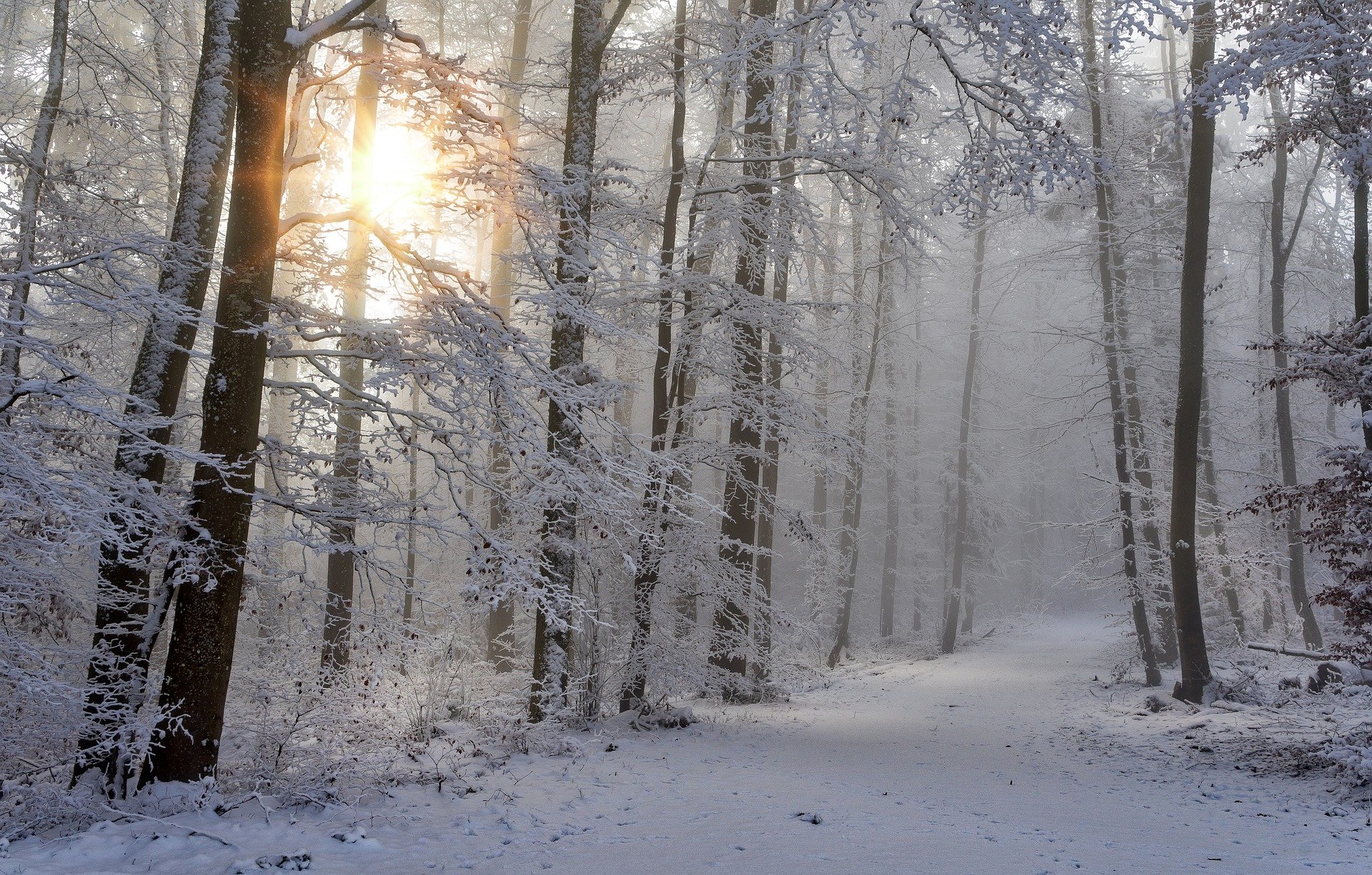
On February 19 and 20, heavy, wet snow fell from southeastern Styria to the southern Weinviertel and further into Upper Austria’s central region. Because temperatures were relatively high, the snow was dense and heavy, causing significant damage, including broken trees and power line failures—especially in Styria.
- Hector Pascua with reports from APA/picture:



This post has already been read 8626 times!