 0
0
 0
0
Every year, the same linguistic mix‑up sneaks into conversations, calendar entries, and even official announcements: “Easter Saturday.” For many, it sounds completely natural. But if you’re referring to the day before Easter Sunday, you’re actually using the wrong term.
A Mistake with Tradition
Around Easter, this confusion pops up again and again. In everyday speech, “Easter” is often used as a catch‑all label for the entire long weekend. That makes “Easter Saturday” feel intuitive — but liturgically, it’s incorrect.
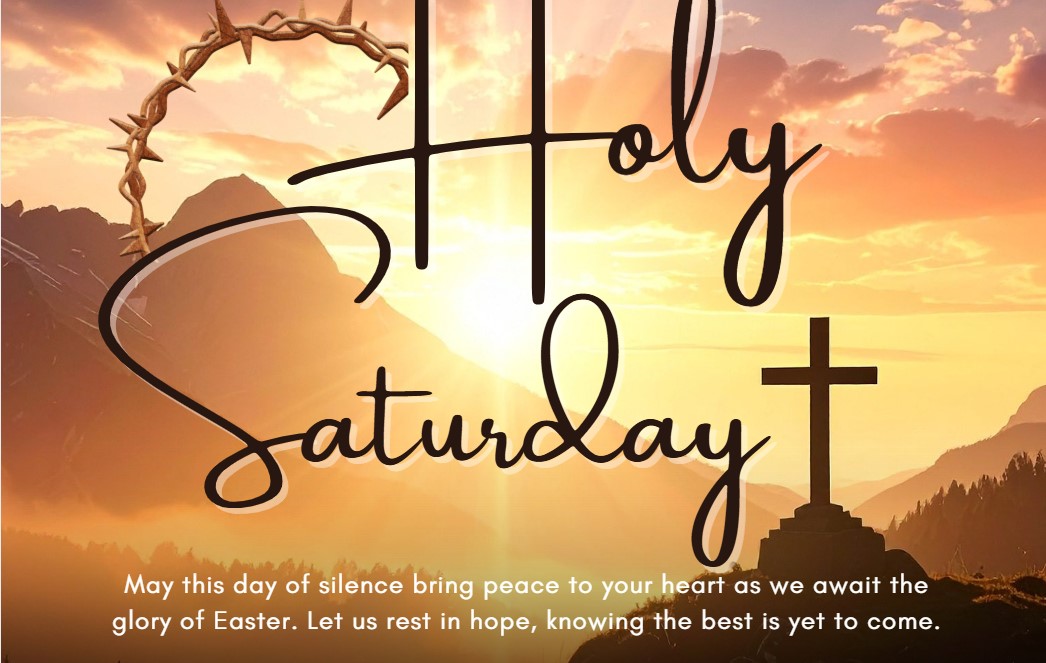
The Saturday between Good Friday and Easter Sunday is Holy Saturday (in German: Karsamstag).
The real Easter Saturday is the Saturday after Easter Sunday — a full week later.
For many, that’s a surprising revelation.
What Holy Saturday Really Represents
Holy Saturday belongs to Holy Week and is a day of silence. In Christian tradition, it marks the resting of Jesus in the tomb. After the crucifixion on Good Friday, churches remain quiet. There is no Mass, altars are stripped, and the liturgy pauses.
It is a day “between grief and hope” — a moment of waiting before the celebration of the Resurrection in the Easter Vigil.
Traditions That Shape the Day
Despite its quiet character, Holy Saturday is rich with customs, especially in Austria. Many families associate it with familiar rituals:
- Blessing of the Easter foods: Baskets filled with bread, eggs, ham, and horseradish are brought to church for blessing.
- Osterpinze and Reinling: Traditional sweet breads prepared especially for this day.
- Rattles instead of bells: Children walk through towns with wooden clappers to replace the silent church bells.
- Easter fires: In some regions, a fire is lit in the evening as a symbolic transition into the Easter night.
These traditions blend preparation, anticipation, and reverence — giving Holy Saturday its unique atmosphere.
Why So Many Say “Easter Saturday” Anyway
The explanation is simple: Holy Saturday sounds old‑fashioned or unfamiliar to many. “Easter Saturday,” on the other hand, feels logical — after all, people talk about the “Easter weekend” or “Easter holidays.”
But linguistically and liturgically, the distinction is clear:
“Kar” comes from an old word for mourning.
And that captures the meaning of the day far better than the more modern, but misleading, alternative.
The Bottom Line
When people say “Easter Saturday” to refer to the day before Easter Sunday, they almost always mean Holy Saturday — and technically, they’re wrong. Perhaps it’s time to give the older term a bit more attention. It tells the story of the day far more accurately: a quiet pause, a moment of waiting, just before Easter truly begins.
- Hector Pascua/picture: canva.com



This post has already been read 10025 times!