 0
0
 0
0
Pentecost Sunday is often called the Church’s “birthday” — but its meaning runs far deeper than a simple anniversary. It is the feast where wind, fire, fear, courage, and mission collide, transforming a small, uncertain community into a global movement that continues to shape the world
Pentecost Sunday stands as one of the most powerful and transformative feasts in the Christian calendar. Celebrated fifty days after Easter, it marks the moment when the Holy Spirit descended upon the apostles — an event that turned hesitant followers into bold witnesses and set the early Church in motion. For Catholics around the world, Pentecost is not only a remembrance of a biblical event; it is a living reminder that faith is dynamic, courageous, and meant to be shared.
In Austria, the significance of Pentecost is reflected not only in church life but also in public life: the day after Pentecost, known as Pfingstmontag (Whit Monday), is a national holiday, giving families and communities space to gather, rest, and celebrate the season’s spiritual and cultural traditions.
A Moment That Changed Everything
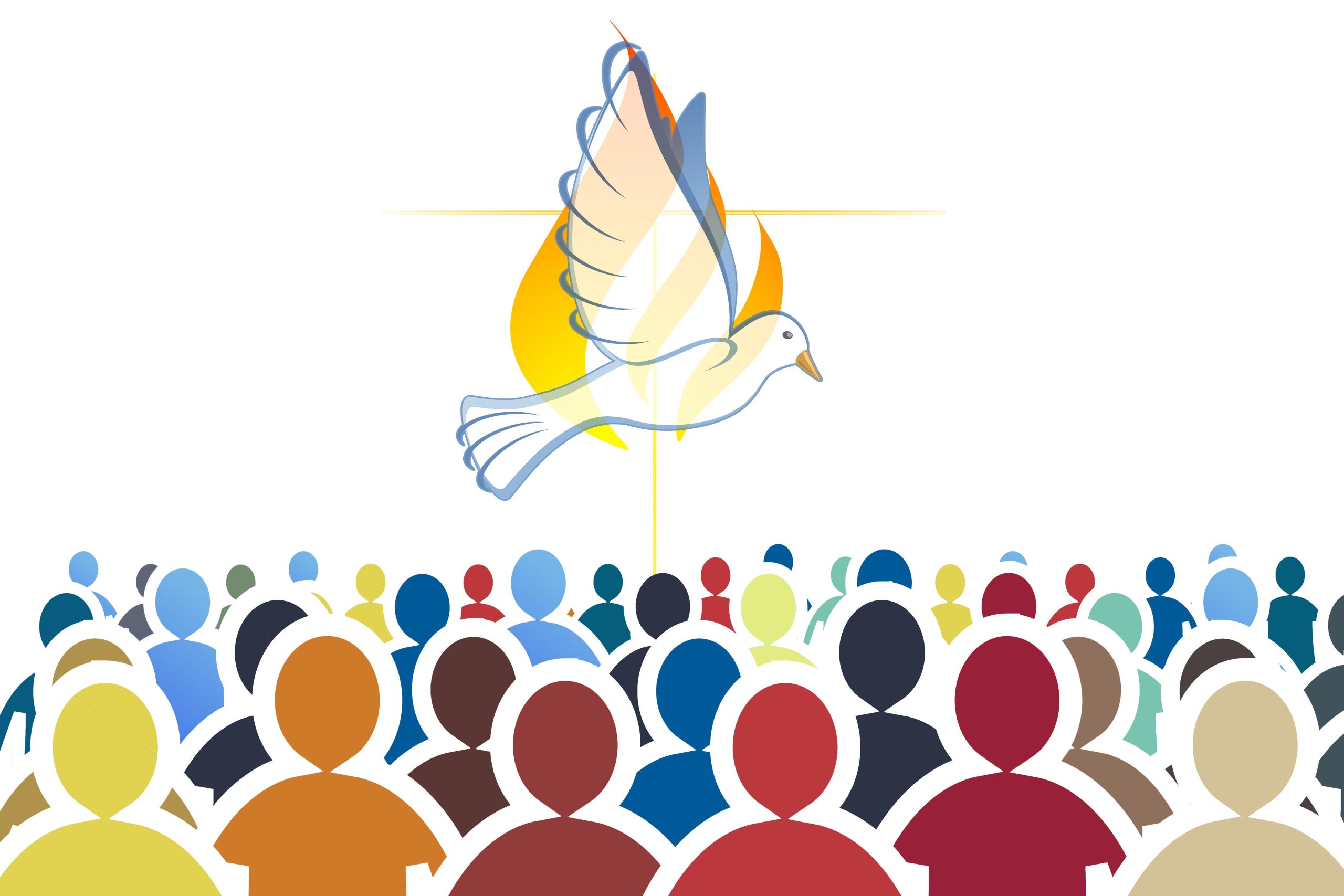
The story of Pentecost begins in an upper room in Jerusalem. The apostles, still shaken by the crucifixion and overwhelmed by the responsibility Jesus had entrusted to them, were gathered in prayer. Then, as the Acts of the Apostles recounts, something extraordinary happened:
- A strong, rushing wind filled the house
- Tongues of fire appeared and rested on each of them
- They began to speak in different languages, understood by people from many nations
This moment is often described as the birth of the Church, not because an institution was founded, but because a community found its voice. Pentecost transformed fear into courage, confusion into clarity, and isolation into mission.
A Feast of Unity in Diversity
Pentecost is a celebration of unity — but not uniformity. The miracle of languages symbolizes a Church that embraces many cultures, peoples, and voices. In a world often fractured by division, Pentecost offers a counter-narrative: diversity is not a threat but a gift.
This message resonates strongly in multicultural societies like Austria, where Catholic parishes include communities from the Philippines, Eastern Europe, Africa, Latin America, and beyond. Pentecost becomes a reminder that the Spirit speaks through many languages, traditions, and experiences.
Pentecost in Austria: Tradition, Culture, and a National Holiday
Austria, with its deep Catholic roots, marks Pentecost with both solemnity and celebration. Churches across the country hold festive liturgies, often accompanied by vibrant music, red vestments symbolizing the fire of the Spirit, and community gatherings.
A uniquely Austrian aspect is the public holiday on Whit Monday (Pfingstmontag). This additional day of rest reflects the historical importance of Pentecost in European Christian culture. For many families, it becomes a long weekend for:
- Pilgrimages to Marian shrines
- Spring outings in the countryside
- Cultural festivals and local traditions
- Family gatherings marking the end of the Easter season
In rural regions, Pentecost traditions such as Pfingstlreiten (Pentecost riding processions) or Pfingstkränze (Pentecost wreaths) still survive, blending faith with folklore.
The Meaning Today: Courage for a New Beginning
Pentecost speaks powerfully to the modern world. Its themes — renewal, empowerment, unity, and mission — resonate far beyond church walls.
- In times of uncertainty, Pentecost reminds us that courage is possible.
- In moments of division, it calls us to listen across differences.
- In seasons of fatigue, it offers renewal and fresh energy.
- In a world longing for peace, it inspires reconciliation and hope.
For many believers, Pentecost is a personal invitation: to rediscover one’s purpose, to rekindle faith, and to allow the Spirit to breathe new life into ordinary days.
A Feast That Continues to Move the World
Pentecost is not a story locked in the past. It is a living feast — one that continues to shape communities, inspire movements, and call people to action. Whether celebrated in a grand cathedral, a small parish, or a multicultural community in Vienna, its message remains the same: the Spirit is alive, and renewal is always possible.
- Hector Pascua/picture: Image by Gerd Altmann from Pixabay


This post has already been read 3192 times!