 0
0
 0
0
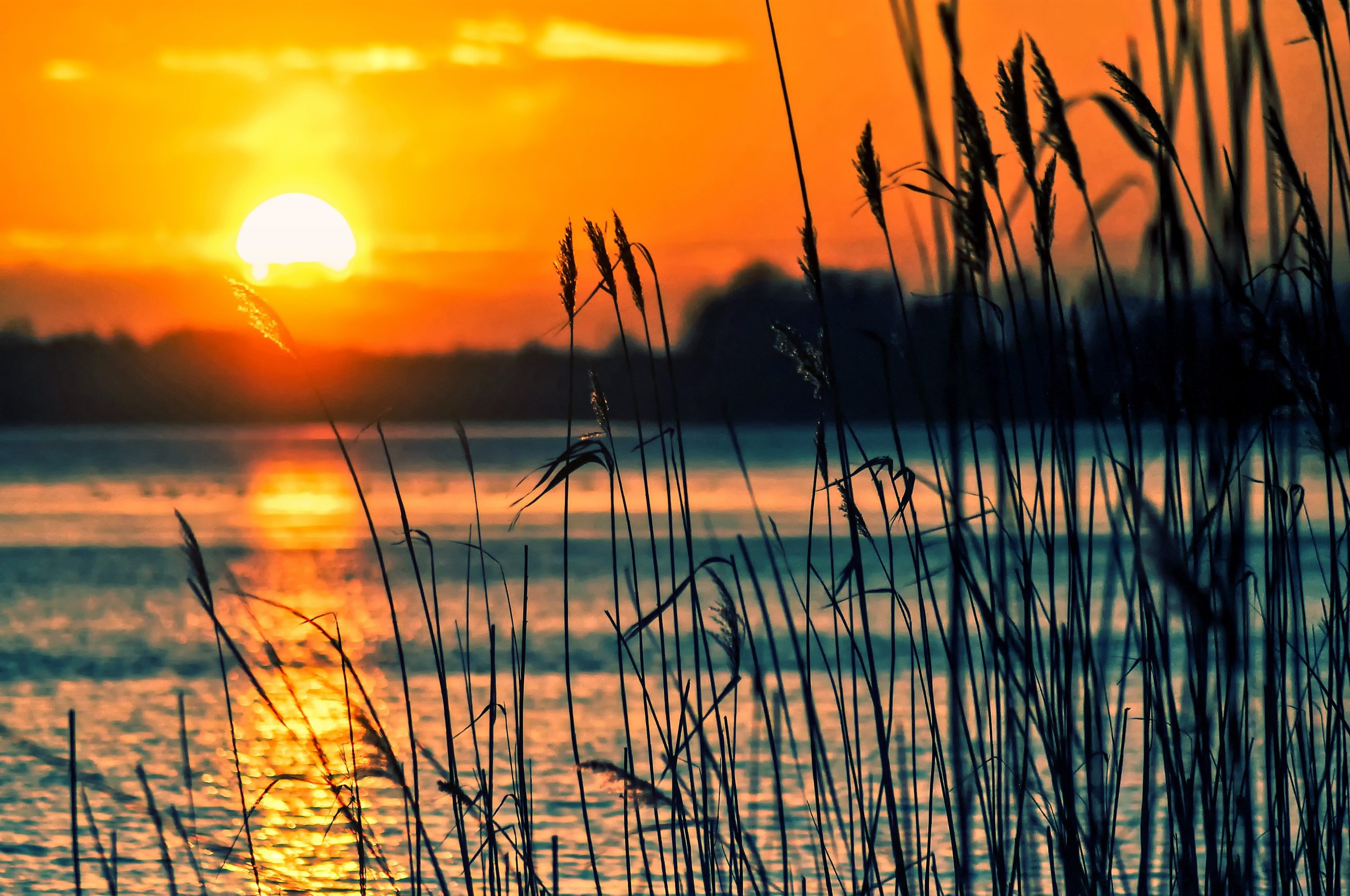
As the Northern Hemisphere moves toward the height of astronomical summer, the summer solstice will bring the shortest night and longest day of the year on 21 June. The moment marks the point at which the Sun reaches its highest position in the sky—an effect caused by the Earth’s axis, which is tilted by about 23.5 degrees. This tilt ensures that sunlight strikes the Northern Hemisphere more directly than at any other time of year.
A Long Day That Hardly Feels Like It Shortens
After 21 June, daylight will slowly begin to decrease again, though the change is barely noticeable at first. For many, the solstice feels like the true beginning of summer, even if the astronomical clock tells us the days are already getting shorter.
Near the Arctic Circle, Night All but Disappears
The farther north one travels, the longer the day becomes. Above the Arctic Circle, the Sun does not set at all around the solstice, creating the famous Midnight Sun. In Scandinavia, this natural phenomenon is celebrated with “White Nights” and vibrant Midsummer festivals, among the most cherished cultural events of the year.
Closer to Central Europe, traditions also flourish. In Austria and Germany, solstice bonfires have been part of Alpine culture for centuries. Hillsides and mountain ridges glow with flames meant to welcome summer, ward off evil spirits, or simply bring communities together.
Why the Longest Day Isn’t the Hottest
Although many associate the solstice with peak summer heat, the warmest temperatures typically arrive weeks later, in July or August. The reason is simple: land and oceans warm slowly. They continue absorbing heat even after the Sun’s highest point has passed, creating a seasonal delay before temperatures reach their maximum.
Symbolic and Astronomical Turning Point
For countless people, the solstice represents the emotional start of summer—long evenings outdoors, festivals, and the promise of warm days ahead. Astronomically, however, it is a precise moment: the Sun stands still at its northernmost point before beginning its gradual return southward.
- source: oe24.at/picture: Image by Tomasz Marciniak from Pixabay



This post has already been read 8738 times!