 0
0
 0
0
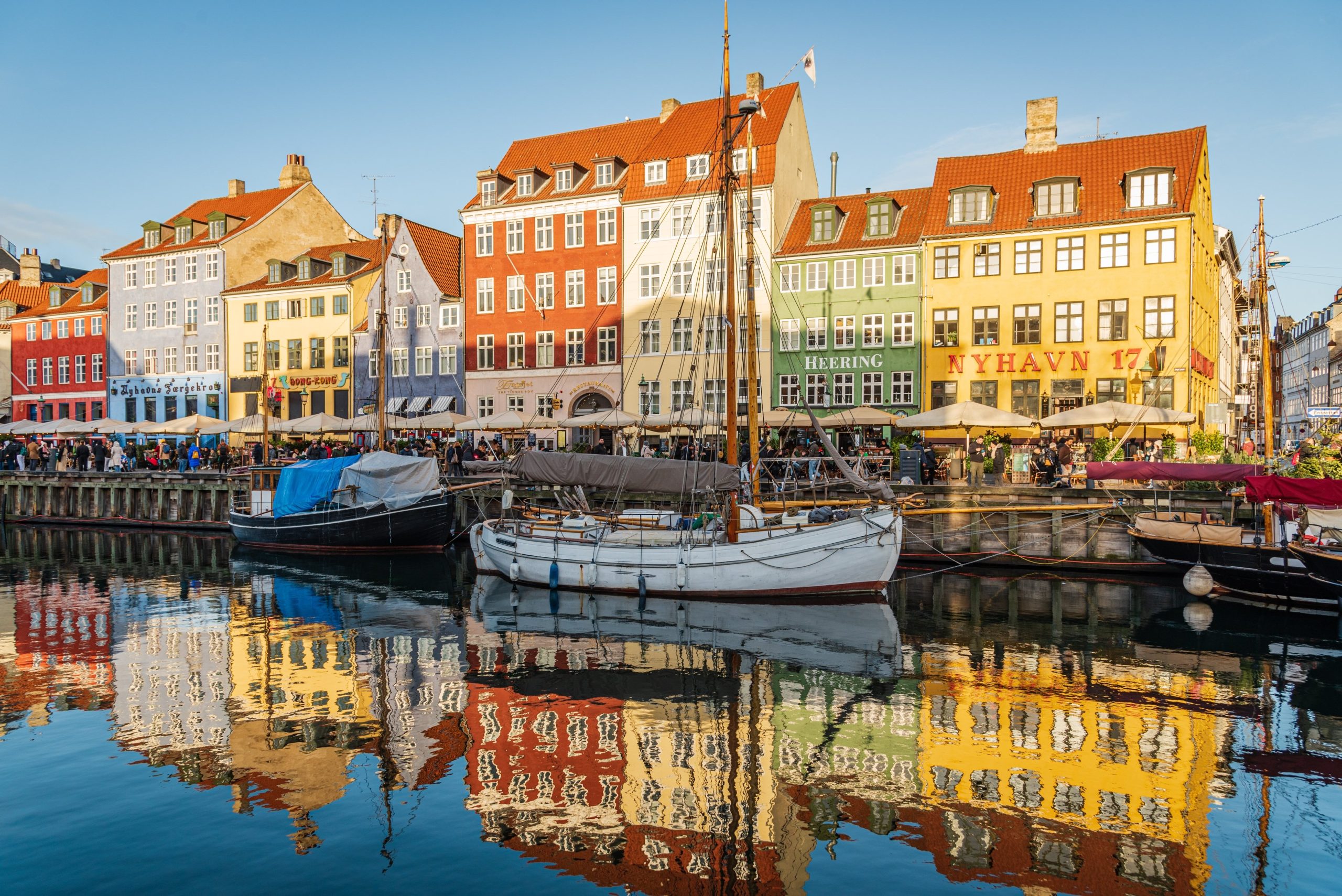
Copenhagen has retained its title as the most liveable city in the world, according to the 2026 edition of the Global Liveability Index published by the British Economist Group. The Danish capital, already last year’s winner, continues to set the benchmark for urban quality of life in Europe and beyond.
A European city leads the world
The annual index evaluates 173 cities across 30 indicators, including political stability, healthcare, social security, education, culture, environment and infrastructure. Each city receives a score out of 100 points.
Copenhagen defends its crown
Copenhagen once again achieved perfect scores in stability, education and infrastructure, earning 98.0 points overall. Analysts highlight the city’s blend of efficient public services, strong social cohesion and high environmental standards as key factors behind its continued success.
A spokesperson for the Economist Group attributes Copenhagen’s dominance to a “successful combination of excellent stability and infrastructure, vibrant culture and environmental quality, and outstanding public services.”
Vienna slips to second place
Vienna, long celebrated for its exceptional quality of life, ranks second with 97 points, tied with Melbourne and Sydney. The Austrian capital previously held the top spot for three consecutive years, but has now missed first place for the second year in a row.
The world’s top 10 most liveable cities in 2026
- Copenhagen – Denmark (98)
- Vienna – Austria (97)
- Melbourne – Australia (97)
- Sydney – Australia (97)
- Zurich – Switzerland (96)
- Geneva – Switzerland (96)
- Osaka – Japan (96)
- Adelaide – Australia (96)
- Vancouver – Canada (96)
- Tokyo – Japan (96)
Australia stands out with three cities in the top ten, the largest national representation in this year’s ranking.
Cities facing conflict and hardship
At the bottom of the index are cities heavily affected by war, political instability or extreme poverty. Damascus, Syria, remains the lowest-ranked city worldwide.
- source: bild.de/picture: Image by Duc Tinh Ngo from Pixabay



This post has already been read 28756 times!