 0
0
 0
0
A smile looks effortless, but its impact is anything but small. We instinctively enjoy being greeted with warmth, and we often try to offer the same comfort to others. Yet beyond these social niceties, research increasingly shows that smiling delivers a surprising range of real, measurable health benefits — from stress reduction to stronger immunity.
The Body’s Built‑In Mood Booster
The core takeaway: a smile triggers biochemical changes that improve your well‑being, even when the smile is intentional rather than spontaneous.
When you smile, your brain releases dopamine, serotonin, and endorphins — neurotransmitters associated with happiness, relaxation, and pain relief. This chemical shift can:
- Lower stress levels
- Improve mood
- Reduce physical tension
- Support emotional resilience
Smiling essentially acts as a natural, accessible form of self‑care.
Stress Reduction You Can Feel
Smiling doesn’t just make you look relaxed — it actually changes your physiology. Studies show that people who smile during stressful tasks experience:
- Lower heart rates
- Reduced cortisol (the stress hormone)
- Faster recovery after stressful events
Even a forced smile can produce these effects, thanks to the brain’s tendency to interpret facial expressions as emotional cues.
A Boost for Your Immune System
A positive emotional state strengthens your body’s defenses. Smiling contributes to:
- Improved immune response
- Better regulation of inflammation
- Enhanced resistance to minor illnesses
This happens because lower stress levels allow the immune system to function more effectively — a reminder that emotional health and physical health are deeply intertwined.
Smiling Strengthens Social Bonds
Humans are wired to respond to smiles. They signal safety, openness, and trust. In social settings, smiling can:
- Make interactions smoother
- Increase cooperation
- Improve communication
- Help build stronger relationships
These social benefits, in turn, reinforce emotional well‑being — creating a positive feedback loop.
The Psychology Behind the Smile
Smiling influences how we perceive ourselves and how others perceive us. Research suggests that people who smile are often seen as:
- More approachable
- More confident
- More trustworthy
- More competent
This perception can shape opportunities, interactions, and even professional outcomes.
A Small Habit With Big Impact
The science is clear: smiling is more than a pleasant gesture. It’s a micro‑habit with macro‑effects — a simple action that supports mental, emotional, and physical health.
Whether it’s a spontaneous grin or a conscious choice to lift your mood, a smile can:
- Calm your nervous system
- Strengthen your immune response
- Improve your relationships
- Support long‑term well‑being
In a world that often feels fast and demanding, smiling is a gentle reminder that some of the most powerful tools for health are already built into us.
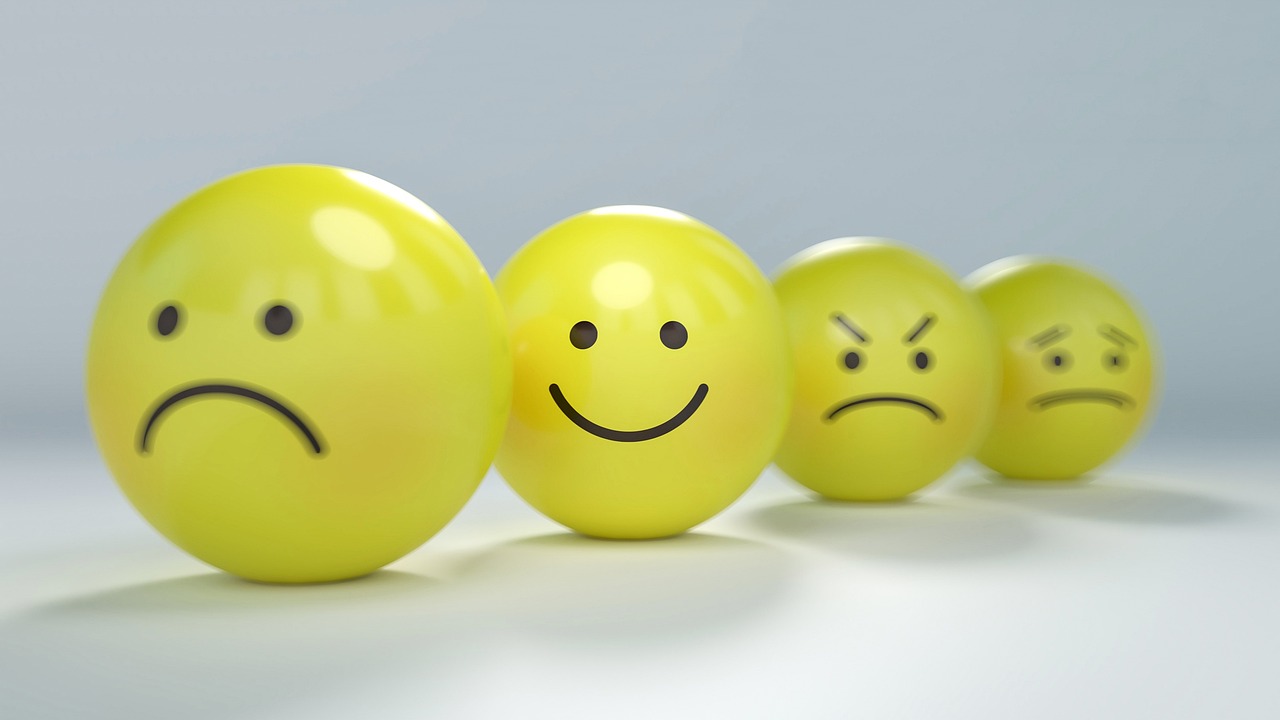
- Hector Pascua/picture: pixabay.com



This post has already been read 25689 times!