 0
0
 0
0
New research suggests that different mosquito species are attracted to different people, a finding that could lead to more targeted ways of preventing mosquito-borne diseases.
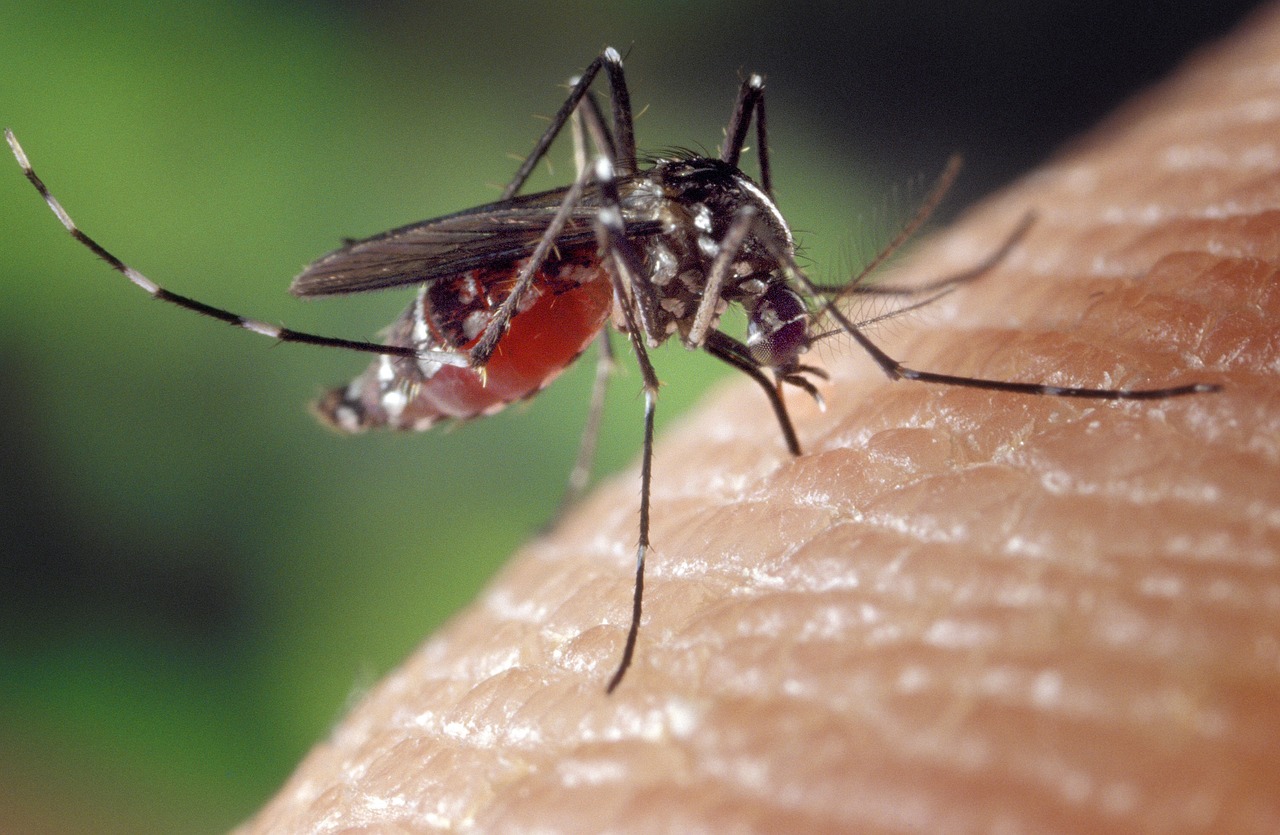
Not everyone is bitten by mosquitoes equally. While some people seem to attract swarms of the insects, others can spend time outdoors with barely a bite. New research from the United States may help explain why.
Mosquitoes need the blood of vertebrates to develop their eggs, making humans a common target. With warmer weather and periods of rain creating ideal breeding conditions, mosquito bites can become a major nuisance. But for scientists, the question of why some people are bitten more often is much more than a seasonal annoyance.
Researchers led by neurogeneticist Matthew DeGennaro of Florida International University studied 119 volunteers who were exposed, without protection, to three different mosquito species: the yellow fever mosquito (Aedes aegypti), the Asian tiger mosquito (Aedes albopictus) and the southern house mosquito (Culex quinquefasciatus).
All three species can transmit serious diseases, including dengue, Zika, yellow fever and West Nile virus.
Each Species Has Its Own Preferences
The researchers found that none of the volunteers was bitten equally often by all three species. Instead, different mosquitoes appeared to have distinct preferences for particular people.
The result surprised the research team. According to co-author Kaylee Marrero, scientists had not expected each species to have such a specific microbial signature that it could use to help identify and select its preferred hosts.
The findings suggest that there is no single explanation for why mosquitoes are attracted to certain people. Instead, different species may respond to human body odors and the microorganisms associated with them in different ways.
Could This Lead to Better Mosquito Repellents?
The discovery could have important implications for public health. If different mosquito species use different chemical or microbial cues to locate humans, researchers could potentially develop repellents specifically designed to interfere with the preferences of individual species.
Such an approach could be particularly valuable in regions where mosquito-borne diseases pose a serious health threat.
The findings are especially relevant because another recent study has raised questions about one of the most widely used mosquito repellents: DEET. Researchers have suggested that mosquitoes may, under certain circumstances, learn to associate and even become attracted to the smell of DEET.
Together, the studies highlight how complex mosquito behavior can be—and why understanding exactly how different species identify their preferred hosts could be crucial for developing more effective forms of protection.
The new research was published in the scientific journal iScience.
- source: heute.at/picture: pixabay.com



This post has already been read 2778 times!