 0
0
 0
0
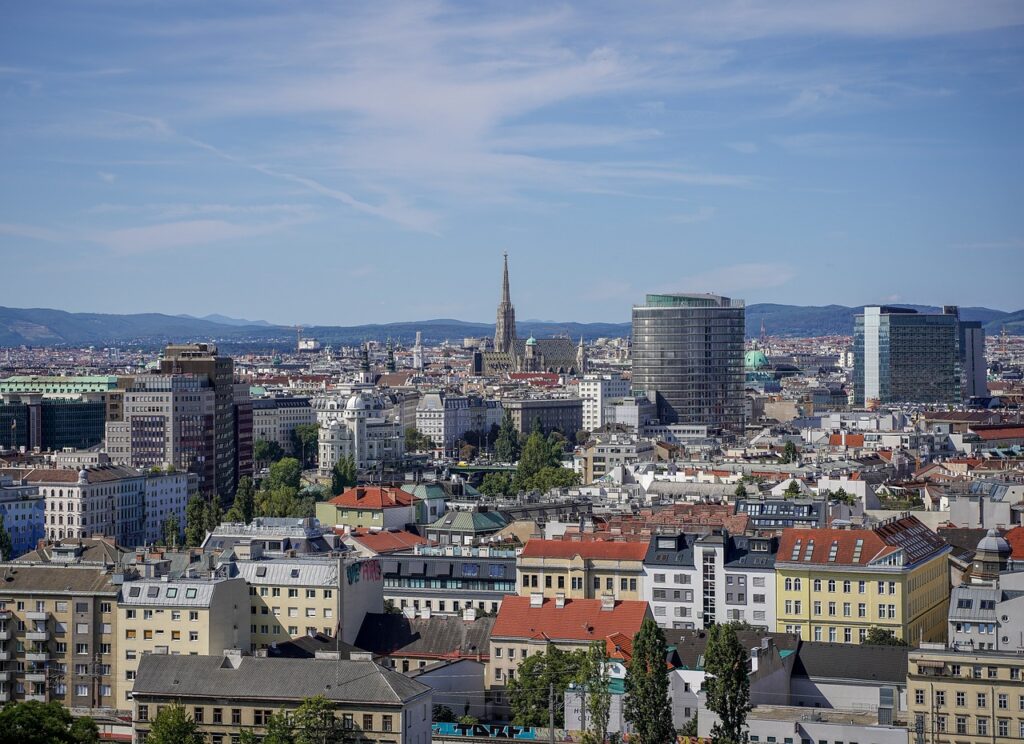
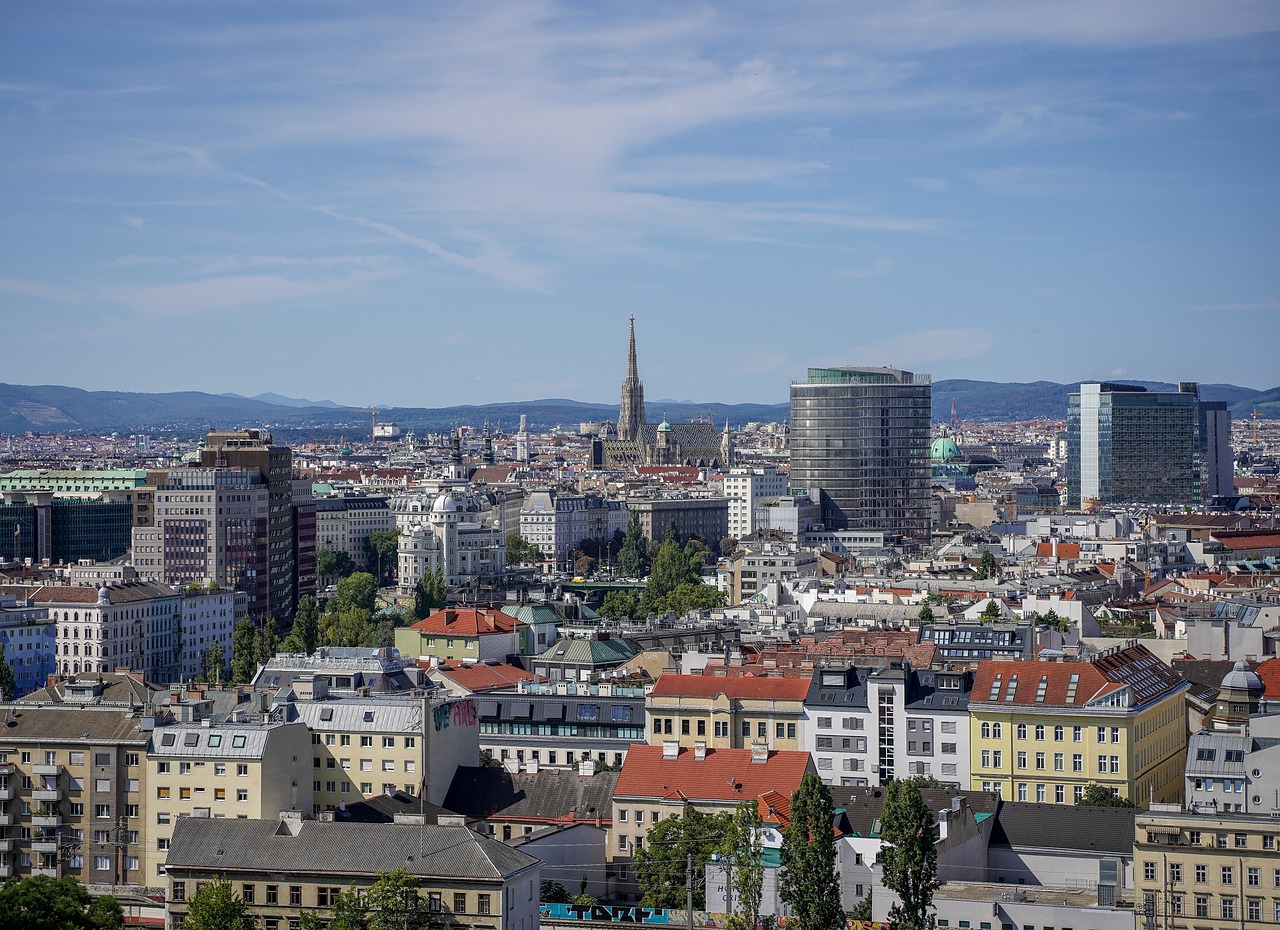
VIENNA – Vienna remains one of the world’s most influential urban centers, but a new international ranking suggests Austria’s capital lags behind Linz and Graz when it comes to quality of life.
According to the Global Cities Index 2026 published by British economic research institute Oxford Economics, Vienna ranks 35th overall among 1,000 cities and metropolitan areas worldwide. However, in the category measuring quality of life, the Austrian capital places only 85th, well behind Linz and Graz.
Linz achieves an impressive 12th place globally for quality of life, while Graz ranks 46th. The findings stand in contrast to several other international city rankings, where Vienna has frequently been named among the world’s most livable cities.
Oxford Economics uses its own methodology to evaluate urban performance, taking into account factors such as income levels, housing costs, life expectancy, crime rates, and access to leisure activities.
Strong Overall Performance, Mixed Results
While Vienna’s quality-of-life ranking is relatively modest, the city performs strongly in several other categories.
The Austrian capital ranks 48th worldwide for economic performance and 57th for human capital. The latter category measures factors including education levels, university strength, demographic trends, and the ability to attract skilled workers.
Oxford Economics highlights Vienna’s diversified economy as a key strength. The city benefits from a broad mix of industries, including professional services, trade, manufacturing, and a significant public sector presence.
Environmental performance, however, drags down Vienna’s overall score. The city ranks only 272nd globally in this category, with the report citing factors such as temperature variations and exposure to natural hazards.
Housing Costs Weigh on Quality of Life
One of the main reasons Vienna loses points in the quality-of-life category is housing affordability.
According to the report, high housing expenses remain a significant challenge for residents. The study distinguishes between comparatively affordable older municipal housing, which can be difficult to access, and the substantially more expensive private rental market.
Despite these concerns, Oxford Economics notes several advantages enjoyed by Vienna’s population, including free full-day childcare services, affordable and reliable public transport, and high-quality drinking water sourced from the Alps.
The city also benefits from high average incomes, a rich cultural scene, and a long life expectancy.
Linz and Graz Outperform Vienna
Among the three Austrian cities included in the index, Linz receives the highest quality-of-life score, ranking 12th globally. Graz follows in 46th place, while Vienna comes in at 85th.
The picture changes when the overall ranking is considered. Vienna is by far Austria’s highest-ranked city at 35th place. Linz ranks 99th overall and Graz 105th.
The results suggest that economic importance and quality of life do not necessarily go hand in hand.
Culture, Education and Stability Remain Key Strengths
Oxford Economics describes Vienna as a major cultural center, specifically highlighting landmarks such as the Vienna State Opera and Schönbrunn Palace.
The report also points to the city’s universities and life sciences research sector as important assets. Vienna continues to attract skilled migrants and benefits from its proximity to Bratislava, which provides additional labor resources for the wider metropolitan region.
In terms of governance and institutional stability, Vienna ranks 79th globally. The study credits Austria’s strong institutions and support systems for newcomers as contributing factors.
Climate and Housing Challenges Ahead
Alongside housing affordability, the report identifies environmental issues as an area requiring attention.
Vienna’s location on the Danube leaves it exposed to flood risks, although Oxford Economics acknowledges the city’s extensive flood protection infrastructure. The city has set a target of becoming climate-neutral by 2040 through measures including the phase-out of fossil-fuel heating systems, expansion of public transport, and increased tree planting.
Whether Vienna can improve its standing in future editions of the index will depend in part on progress toward these environmental goals as well as broader economic developments.
The report emphasizes that the Global Cities Index is not a direct measure of how satisfied residents are with their lives. Instead, it combines a range of statistical indicators and forecasts, helping explain why its results may differ from other well-known quality-of-life rankings.
- source: vienna.at/picture: pixabay.com



This post has already been read 31 times!