 0
 0
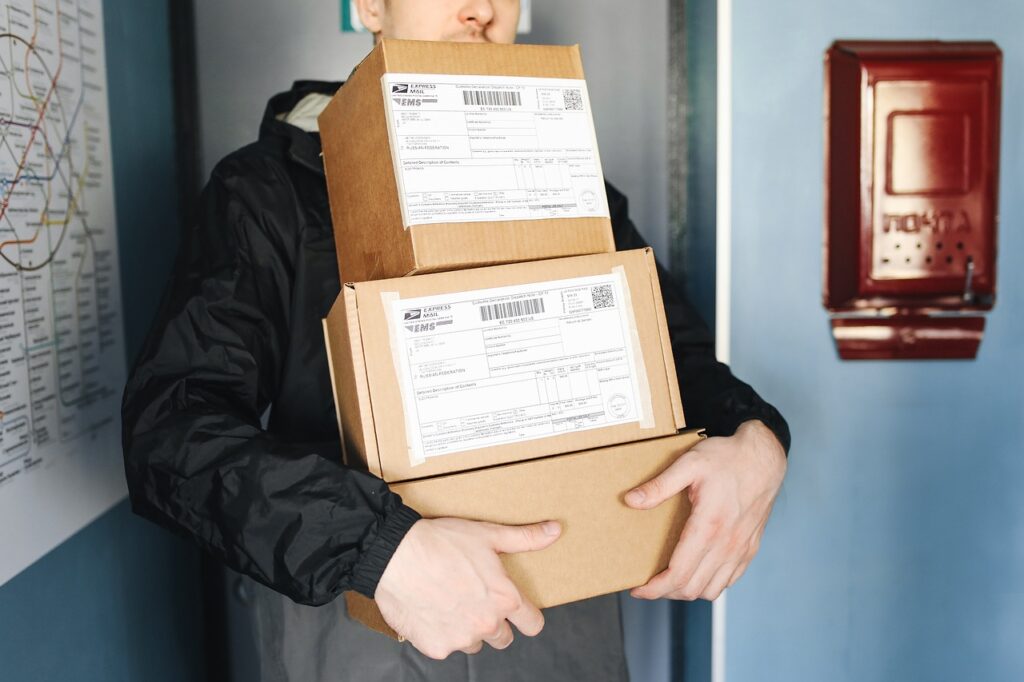
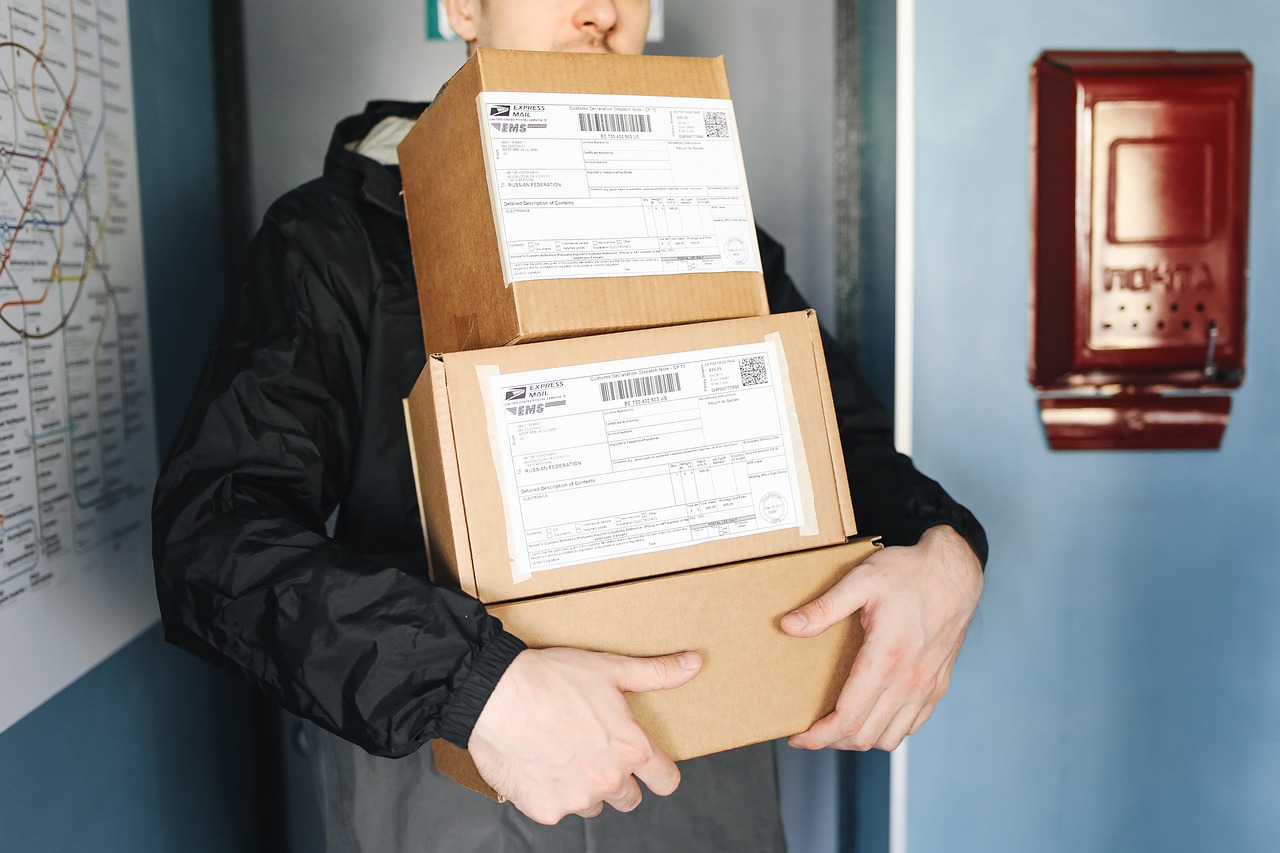
BRUSSELS, Nov. 1 – Millions of products ordered online and imported into the European Union from non-EU countries will now be subject to a new €2 processing fee as part of the bloc’s efforts to tackle the growing influx of low-cost imports.
The new charge, which comes into force on November 1, applies to parcels arriving from third countries such as China and the United States. According to EU member states, online marketplaces rather than consumers will be responsible for paying the fee, which will be collected by national authorities.
The measure is expected to affect major e-commerce platforms including Shein, Temu, AliExpress, and Amazon, all of which handle large volumes of imports into the EU.
EU Targets Surge in Low-Cost Imports
The fee is designed to help address the massive growth in small parcel shipments entering the European market. EU member states said customs authorities processed around 6 billion parcels from online retailers in 2025, with approximately 90% originating from China.
Officials say the new levy will help cover the rising costs associated with inspecting, screening, and processing the increasing number of shipments arriving at EU borders.
The processing charge forms part of a broader overhaul of the EU customs system aimed at simplifying international trade, improving customs collection, and strengthening controls on non-compliant, dangerous, or unsafe products.
As part of the reform, a new EU Customs Authority is scheduled to begin operations next year in Lille, France.
Customs Charges Introduced Earlier This Year
The new processing fee follows another customs-related measure introduced in July, under which low-value goods imported from outside the EU became subject to customs duties. A flat fee of €3 per product category within a shipment is currently charged.
Although sellers and importers are formally responsible for those customs payments, some retailers have passed the additional costs on to consumers, resulting in higher prices for online purchases.
The customs flat-rate system is intended as a temporary solution until a new EU-wide digital customs platform is launched in 2028. Under the planned framework, all goods imported into the EU will be subject to customs procedures from the first euro of value.
Austrian Retail Sector Welcomes EU-Wide Approach
Rainer Will, head of Austria’s Retail Association, recently criticized Austria’s national parcel tax, arguing that it affects not only foreign online retailers but also around 4,000 Austrian small and medium-sized online businesses selling through marketplaces such as Amazon, Zalando, and Otto.
However, he expressed support for the introduction of EU-wide fees aimed at ensuring fairer competition and addressing the impact of low-cost imports from outside the bloc.
Austria’s domestic parcel tax, introduced on October 1, has reportedly contributed to a decline of around 10% in parcel volumes. The tax applies to business-to-consumer parcel deliveries from mail-order and online retailers, while business-to-business shipments are generally exempt.
Under the Austrian system, the tax amounts to €2 per delivered parcel, or alternatively per order.
The latest EU measure reflects growing efforts by policymakers to balance the rapid expansion of cross-border e-commerce with customs enforcement, consumer protection, and fair competition for European retailers.
- source: kurier.at/picture: pixabay.com



This post has already been read 40 times!