 0
 0
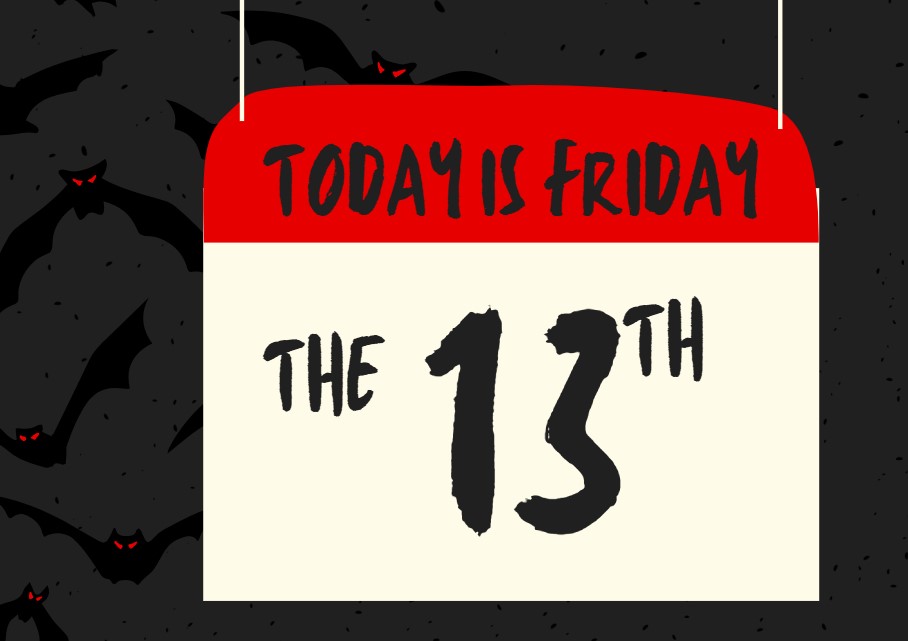
Today is Friday, November 13. At first glance, it is nothing more than a date on the calendar, a combination of a weekday and a number. Yet for millions of people, those two elements together are enough to trigger an uneasy feeling.
For some, Friday the 13th is a day when it is best to avoid major decisions, postpone travel plans, and certainly not tempt fate. But is there any real reason to fear this supposedly unlucky day? Or do we create the bad luck ourselves?
Where Does the Bad Reputation of Friday the 13th Come From?
There is no single, universally accepted origin story for Friday the 13th. Instead, the superstition appears to stem from the combination of two symbols that have long been associated with misfortune: the number 13 and Friday.
The number 13 has been considered unlucky in parts of Western culture for centuries. One commonly cited explanation comes from Christian tradition. At the Last Supper, Jesus and his twelve disciples sat together, making Judas Iscariot, who later betrayed Jesus, the 13th person at the table.
Friday, meanwhile, also developed an unfavorable reputation in Christian culture. According to tradition, Jesus was crucified on a Friday, leading some to view the day as unsuitable for important undertakings.
The modern fascination with Friday the 13th, however, gained momentum during the 20th century. Novels, urban legends, and especially popular culture helped cement its reputation. Horror films such as Friday the 13th introduced the superstition to new generations and transformed the date into a global cultural phenomenon.
Myth vs. Reality: Is Friday the 13th Really Unlucky?
Statistics and insurance studies have repeatedly found no evidence that more accidents occur on Friday the 13th than on any other day of the year.
In some cases, the opposite appears to be true. People tend to act more cautiously when they are aware of the date, potentially reducing risky behavior.
That does not mean bad things never happen on Friday the 13th. Accidents, delays, mishaps, and unexpected problems can occur, just as they can on any other day. The key point is that there is no credible evidence linking them to the date itself.
Why We Believe in the Curse
Imagine misplacing your car keys in the morning, spilling coffee on your laptop, and then discovering your train is running late.
On most days, these events would simply be frustrating coincidences. On Friday the 13th, however, many people immediately see them as proof that the day is cursed.
Psychologists have a name for this phenomenon: selective perception. When people expect something to go wrong, they pay more attention to negative events. Minor inconveniences become more memorable, while positive experiences are often overlooked.
Another factor is confirmation bias, the tendency to notice information that supports existing beliefs. Spill coffee on a normal Tuesday, and you may forget about it within an hour. Spill coffee on Friday the 13th, and it suddenly becomes evidence that the superstition is true.
What Should You Do on Friday the 13th?
The answer is surprisingly simple: live your life exactly as you normally would.
Don’t let superstition take over. Canceling important appointments or avoiding activities because of fear only reinforces the idea that the day is dangerous. If you spend hours searching for signs of bad luck, you will almost certainly find something that confirms your expectations.
Turn the myth upside down. Why not declare Friday the 13th your personal lucky day? Some people actually report feeling more relaxed because they laugh off minor annoyances rather than taking them seriously.
Use practical superstition where it makes sense. For example, you may still want to avoid walking under a ladder. Not because of ghosts, curses, or witches, but because someone standing above could accidentally drop a tool.
The Bottom Line
Friday the 13th remains one of the world’s most enduring superstitions. Its reputation is built on centuries of myths, cultural traditions, and storytelling rather than hard evidence.
So if today is Friday the 13th, there is no need to stay home, postpone plans, or fear the worst. The biggest risk may simply be believing too strongly that bad luck is waiting around the corner.
After all, sometimes the most powerful superstition is the one we create in our own minds.
- Hector Pascua with reference from oe24.at/picture: pixabay.com



This post has already been read 14 times!